Understanding tyre sizes, choosing puncture-resistant tyres, tubeless vs tubed, and when to replace your e-bike tyres.
E-Bike Tyre Replacement: Sizes, Puncture Protection, Tubeless vs Tubed, and When to Replace
E-bike tyres work harder than regular bicycle tyres. They carry more weight, hit higher speeds, and absorb more braking force. Choosing the right tyres and replacing them at the right time directly affects your safety, comfort, and range.
Understanding Tyre Sizes
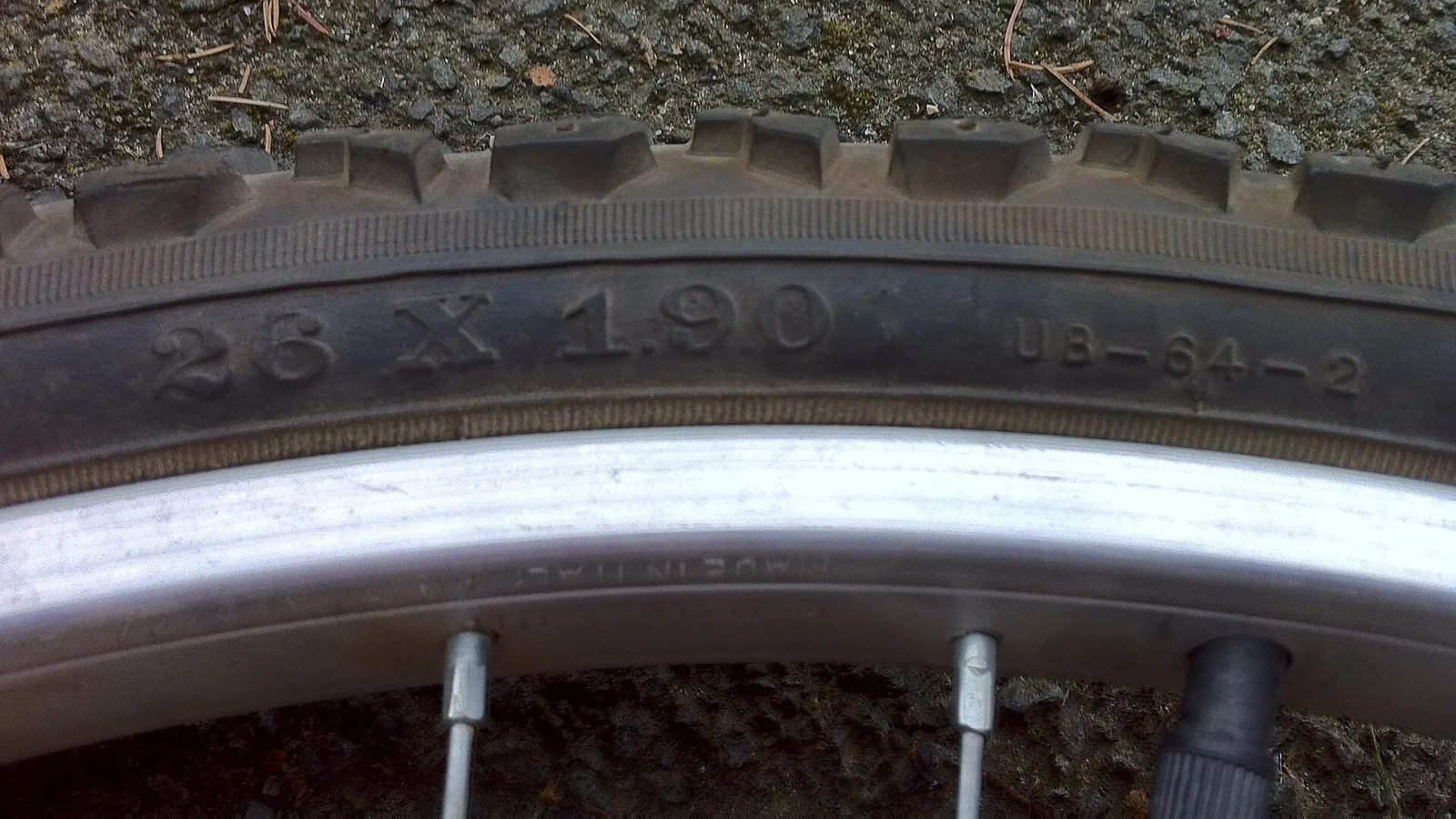
E-bike tyre sizes follow the same conventions as regular bicycle tyres, but the range of sizes used across e-bikes, scooters, and other electric vehicles is broader than on standard bikes.
The ETRTO system is the most reliable way to identify tyre size. It uses two numbers: the tyre width in millimetres and the bead seat diameter in millimetres. For example, 50-622 means a 50mm wide tyre that fits a 622mm diameter rim (the standard 700c or 29 inch rim).
Common e-bike tyre sizes in Australia:
- 700c x 35-50mm (622 BSD): Road and commuter e-bikes. The most common size for hybrid-style e-bikes.
- 27.5 x 2.0-2.8 inch (584 BSD): Mountain and trail e-bikes. Also called 650b.
- 26 x 1.75-2.4 inch (559 BSD): Older mountain bikes, many Chinese-made e-bikes, and some folding models.
- 20 x 1.75-4.0 inch (406 BSD): Folding e-bikes and some compact city bikes. Fat tyre versions go up to 4 inches wide.
- 16 x 2.125-3.0 inch (305 BSD): Small-wheel e-bikes and some electric scooters.
- Fat tyres 26 x 4.0 inch (559 BSD): Fat tyre e-bikes for beach, sand, and snow riding.
Always check both the width and the bead diameter when buying replacement tyres. A 26 inch tyre will not fit a 27.5 inch rim, even though the difference looks small.
E-Bike Rated Tyres
Some tyre manufacturers make tyres specifically rated for e-bike use, often marked with an ECE-R75 rating. This European standard certifies the tyre for use at speeds up to 25km/h (Class 1) or 50km/h (Class 3) on electric bikes.
E-bike rated tyres typically have:
- Reinforced casing to handle the extra weight and torque
- Better puncture protection layers
- Higher speed rating for the increased average speeds
- Harder rubber compounds for longer wear
For Australian pedelec use (up to 25km/h motor assist), any quality bicycle tyre is adequate. If you regularly ride at higher speeds on throttle-equipped bikes, e-bike rated tyres from brands like Schwalbe, Continental, or Maxxis provide an extra margin of safety.
Puncture Protection
Punctures are the most common tyre issue for e-bike commuters in Australia. Broken glass, bindi-eyes, three-corner jacks, and road debris are a constant presence on Australian roads and shared paths.
Puncture protection layers are built into the tyre between the tread and the casing. Different manufacturers use different technologies:
- Schwalbe Marathon Plus uses a 5mm SmartGuard layer and is widely considered the gold standard for puncture-proof commuting tyres. Available in most common e-bike sizes. Expect to pay $50 to $80 AUD per tyre.
- Continental Contact Plus uses SafetyPlus breaker technology. Excellent puncture resistance with a slightly better ride feel than the Marathon Plus. Similar pricing.
- Maxxis Re-Fuse and Maxxis OverDrive offer good puncture protection at a slightly lower price point.
Budget tyres with no puncture protection layer are a false economy on an e-bike. The time, inconvenience, and roadside frustration of regular punctures far outweigh the savings. For commuting in Australia, always buy tyres with a quality puncture protection layer.
Tubeless vs Tubed
Tubed tyres use a separate inner tube inside the tyre, held against the rim by tyre pressure. This is the traditional setup and remains the most common on e-bikes.
Advantages of tubed tyres:
- Simple to repair with a standard puncture kit
- Any tyre and rim combination works
- Spare tubes are cheap (around $8 to $15 AUD) and widely available
- No special rim tape or sealant required
Tubeless tyres seal directly against the rim without an inner tube. A liquid sealant inside the tyre fills small punctures automatically as they happen.
Advantages of tubeless:
- Small punctures seal automatically, so you may not even notice them
- Lower tyre pressures are possible without pinch flat risk, improving comfort and grip
- Reduced rolling resistance at lower pressures
Disadvantages of tubeless:
- Requires tubeless-compatible rims and tyres
- Sealant needs topping up every three to six months
- Large punctures or sidewall damage still require a tube to get home
- Initial setup can be finicky, often requiring a compressor or tubeless inflator
- Sealant can make a mess if the tyre comes off the rim
For most e-bike commuters in Australia, tubed tyres with a quality puncture protection layer are the practical choice. Tubeless setups make more sense for mountain bikers and riders on rough surfaces where lower pressures and automatic sealing provide a clear benefit.
If you want the self-sealing benefit without going tubeless, puncture-resistant inner tubes filled with sealant (like Slime tubes) offer a middle ground. They cost $15 to $25 AUD per tube and seal small punctures automatically while maintaining the simplicity of a tubed setup.
When to Replace Your Tyres
Replace your e-bike tyres when you see any of the following:
Worn tread: Many e-bike tyres have tread wear indicators (TWI), small dimples or lines moulded into the tread surface. When the tread wears down to the indicator, replace the tyre. If there are no wear indicators, replace the tyre when the centre tread pattern has worn smooth or the tyre profile has become noticeably flattened.
Visible casing: If you can see the fabric casing threads through the rubber anywhere on the tyre, replace it immediately. This is a blowout waiting to happen, and at e-bike speeds a blowout is dangerous.
Cracking and perishing: Tyres degrade with age even if they are not ridden. UV exposure and heat (both abundant in Australia) accelerate this. If the sidewalls or tread show fine cracks, the rubber has hardened and lost its grip and flexibility. Replace tyres showing significant cracking, even if the tread depth looks acceptable.
Frequent punctures: If a tyre that previously held up well starts getting punctured frequently, the protective layer may be worn through. Fresh tyres with intact protection will solve the problem.
Bulges or deformities: Any bulge in the tyre sidewall or tread indicates internal damage. Replace the tyre immediately as it could blow out without warning.
Age: Even with light use, replace tyres every three to five years. Rubber compounds degrade over time, losing grip and flexibility. In the harsh Australian climate with high UV and temperature extremes, three years is a reasonable maximum for tyres stored outdoors.
Tyre Pressure for E-Bikes
Correct tyre pressure affects range, comfort, grip, and tyre life. E-bikes benefit from slightly different pressure considerations than regular bikes:
Run pressures toward the lower end of the tyre's rated range. The extra weight of an e-bike means the tyre deforms more at a given pressure, so you do not need to inflate as high as on a lighter bicycle. Start with the minimum rated pressure and add 5 to 10 PSI.
Check pressure weekly. All bicycle tyres lose air gradually. A properly inflated tyre rolls more efficiently, extending your battery range. Underinflated tyres increase rolling resistance (reducing range by up to 10 to 15 percent), wear faster on the shoulders, and are more prone to pinch flats.
Adjust for conditions. Lower pressure slightly for wet roads (better grip) and raise it slightly for long road rides (lower rolling resistance). Fat tyre e-bikes may run as low as 5 to 15 PSI for sand and soft surfaces.
Fitting New Tyres
Changing an e-bike tyre follows the same process as a regular bicycle, with one additional consideration: hub motor wheels are heavier and have a power cable to disconnect.
For rear hub motor wheels, disconnect the motor cable before removing the wheel. Mark the connector position to make reconnection easy. For mid-drive e-bikes, the wheels are standard bicycle wheels with no motor cable.
Use tyre levers to remove the old tyre, check the rim tape is intact and covering all spoke holes, fit the new tyre partially, insert the tube (if tubed), and finish seating the tyre bead. Inflate slowly, checking that the tyre bead seats evenly all the way around before inflating to full pressure.
Quality replacement tyres for e-bikes cost $40 to $100 AUD each in Australia, depending on the brand and puncture protection level. Given how much they affect safety, range, and ride comfort, they are one of the best maintenance investments you can make.
Need Parts or Upgrades?
Find batteries, chargers, conversion kits, tyres and brakes for e-bikes, scooters and more.
Shop Batteries, Parts & Kits →