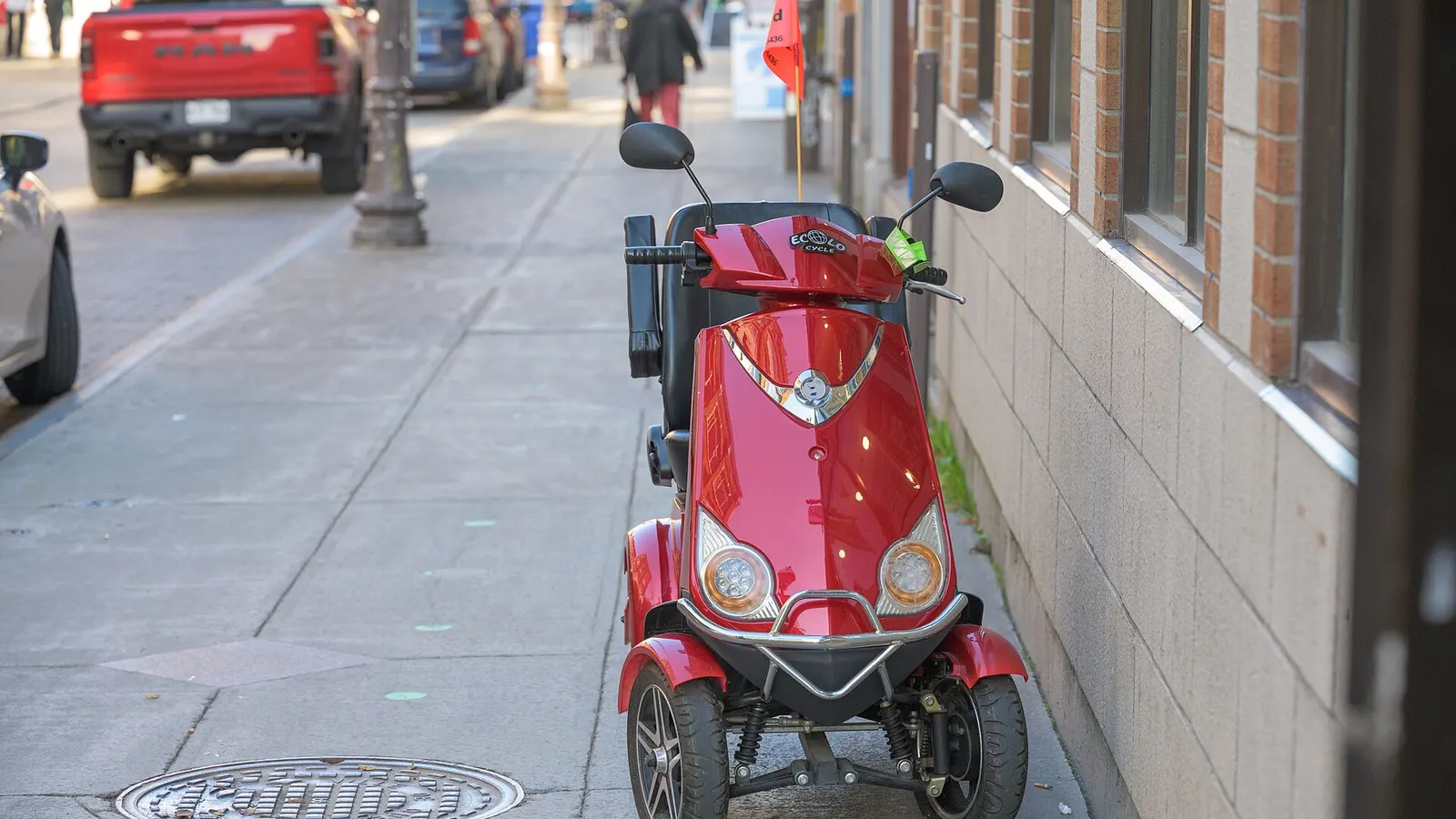
Four-wheel all-terrain mobility scooters — weight capacity, suspension, range, outdoor paths, and choosing a heavy-duty model.
Not every mobility scooter is designed for smooth shopping-centre floors. If your daily routine includes gravel driveways, grassy parks, sloping footpaths, or rural properties, a standard compact scooter can quickly feel out of its depth. Heavy-duty and all-terrain mobility scooters are built for those conditions, with stronger frames, bigger wheels, better suspension, and higher weight ratings. This guide explains what sets them apart, what to look for, and how to decide whether one suits you.
What Is a Heavy-Duty Mobility Scooter?
A heavy-duty scooter is built to carry more weight and to cope with tougher use than a lightweight travel model. In practice, that usually means:
- A sturdier frame designed for a higher maximum user weight.
- A larger, more powerful motor and battery to handle load and slopes.
- Wider seats and wider bases for added comfort and stability.
- Better suspension and larger wheels to improve ride quality outdoors.
An all-terrain scooter focuses on getting across rougher ground. The two categories often overlap, and many all-terrain models are also heavy-duty.
Why Four Wheels Matter Outdoors
Most all-terrain scooters use a four-wheel layout. Compared with a three-wheeler, a four-wheel scooter has a wider, more stable footprint, which helps when you are travelling across uneven surfaces, turning on a slope, or riding at a higher speed. If outdoor stability is a priority, four wheels are generally the safer choice.
Weight Capacity: Choose With a Margin
Every scooter has a stated maximum user weight, and it is a safety limit. If you need a high-capacity scooter, look for a model designed for it rather than relying on a standard scooter that is close to its limit. A well-matched scooter will:
- Climb slopes more confidently.
- Put less strain on the motor, brakes, and battery.
- Last longer, with less wear on components.
Remember to include anything you regularly carry, such as bags, shopping, or accessories. Always follow the manufacturer's stated limit and speak to the retailer if you are unsure.
Suspension and Tyres
Suspension is one of the biggest differences between an all-terrain scooter and a basic one. Front and rear suspension absorbs bumps and keeps the wheels in contact with the ground, which improves both comfort and control.
Tyres are equally important:
- Larger wheels roll over cracks, roots, and kerbs more easily.
- Pneumatic (air-filled) tyres offer better cushioning and grip on loose surfaces, but can puncture and need regular pressure checks.
- Solid or puncture-resistant tyres reduce maintenance but give a firmer ride.
- Tread pattern matters on gravel, grass, and wet surfaces.
If you will be riding on soft or loose ground, choose a scooter designed for that surface rather than assuming any outdoor scooter will cope.
Ground Clearance and Slopes
Ground clearance determines how well the scooter handles kerbs, driveway lips, and uneven paths without scraping. Ask how the model copes with the kinds of slopes and kerb ramps you will encounter. Climbing ability depends on the motor, battery, tyres, and rider weight, so take any stated gradient figure as a guide rather than a guarantee, and approach steep slopes slowly and carefully.
It is also wise to avoid angled slopes and sharp turns on hills, as these can reduce stability on any scooter.
Range and Battery
Heavy-duty scooters usually carry larger batteries, but they also work harder, so real-world range depends heavily on conditions. Hills, rough surfaces, higher loads, and cold weather all reduce how far you will go. Choose a scooter with a comfortable margin over your longest typical trip, and learn how to look after the battery so it keeps performing. Our battery, range, and charging tips cover the basics.
Outdoor Use and Weather
Outdoor scooters meet dust, mud, and rain, so ask about weather protection. Some models have sealed electronics and better protection than others, but few are designed to be left out in the rain or submerged. In general:
- Avoid riding through deep water or flooded paths.
- Dry the scooter after wet rides and store it undercover.
- Keep electrical connections clean and dry.
- Check the manual for what the manufacturer says about wet weather.
A weather cover for storage can protect the seat, controls, and electronics from sun, rain, and dust. Our guide to mobility scooter accessories covers practical options.
Size, Storage, and Transport
The trade-off for strength is size and weight. Heavy-duty scooters are typically too large to fit in a standard car boot, so plan how you will store and move yours.
- Storage: Measure garages, sheds, and doorways. Make sure there is room to turn and a safe place to charge.
- Transport: You may need a ramp, a hitch-mounted carrier, or a vehicle with suitable capacity. Check the scooter's weight against any equipment's load rating.
- Delivery and setup: Ask what is included when the scooter arrives.
If portability is a priority, a travel scooter may be a better choice. Our travel and folding scooter guide explains how they compare.
Comfort for Longer Rides
All-terrain scooters are often used for longer outings, so comfort matters:
- A wide, padded seat with good back support.
- Adjustable armrests and a tiller that adjusts for reach.
- A swivel seat to make mounting and dismounting easier.
- Anti-tip wheels for added stability where fitted.
Try the scooter and spend a few minutes on it. A model that feels comfortable in the first five minutes is more likely to remain comfortable on a long trip.
Safety on Rough Ground
Even a rugged scooter needs a sensible rider. Some good habits:
- Slow down on uneven ground, loose gravel, and wet grass.
- Take slopes straight on, rather than across the incline.
- Keep both hands on the controls and your feet on the platform.
- Use lights and reflectors around dawn, dusk, or poorly lit areas.
- Check tyres and brakes before each longer ride.
Rules on where you can ride vary by state and local council, and some paths are off limits to scooters. Read our mobility scooter laws and footpath rules guide and check with your state road authority or council for current rules where you live.
Funding and Support
If you are an NDIS participant, a heavy-duty scooter may be considered as assistive technology depending on your plan and needs. An occupational therapist assessment is often part of that process. Speak with your NDIS planner or support coordinator before purchasing, and keep written quotes and recommendations.
Browse Heavy-Duty and All-Terrain Options
Compare models in our Mobility Scooters category, including options for higher weight capacities and outdoor use. For spare or replacement power, see Batteries, Parts and Kits, and for protective and carry add-ons, browse Safety, Security and Carry. If you are not sure which scooter suits your terrain and weight, contact our team and we will help you choose.
Need Help Choosing a Mobility Scooter?
Browse travel, folding and all-terrain mobility scooters, or contact us and we will help you find the right fit.
Shop Mobility Scooters →