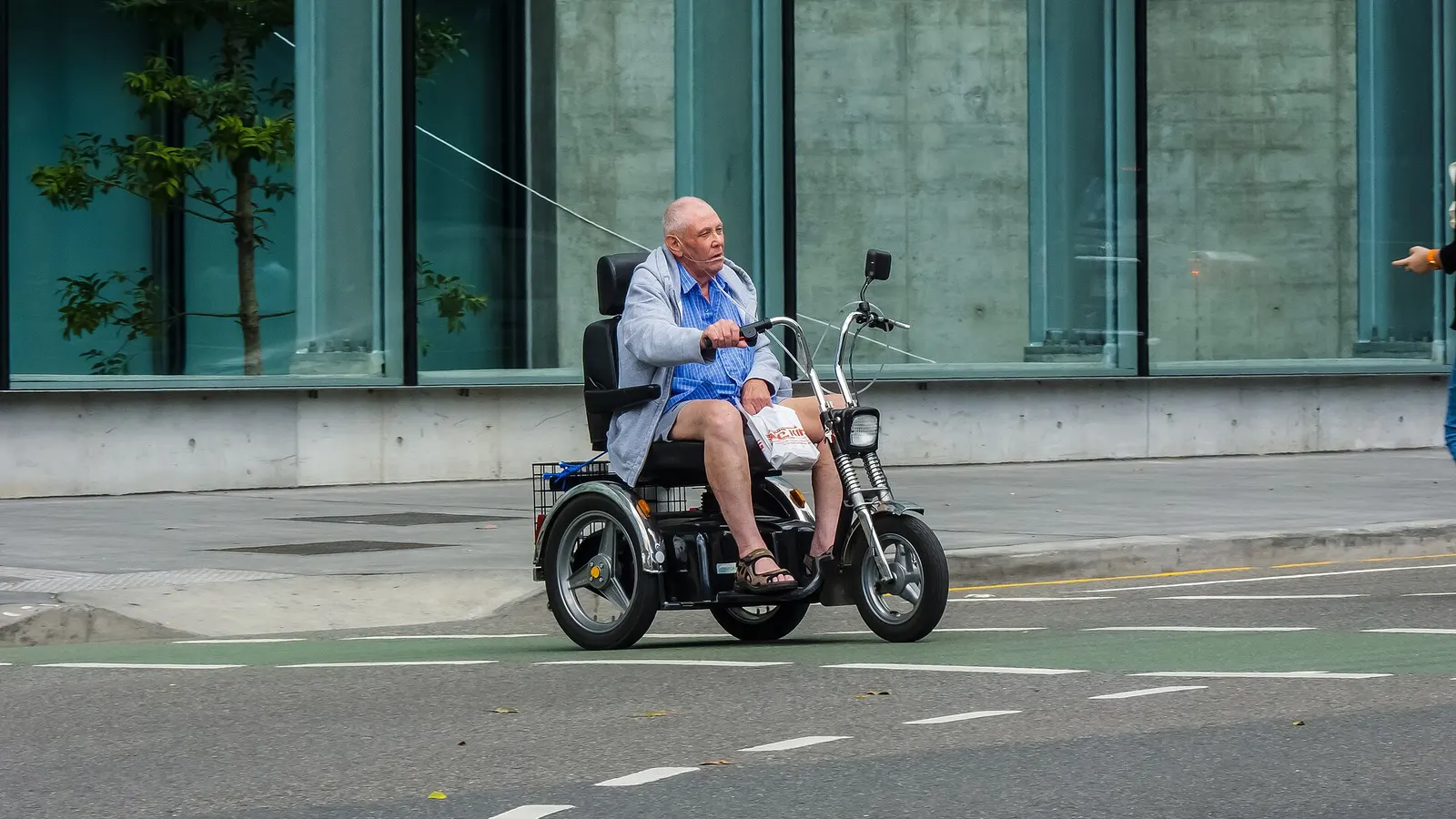
State-by-state rules for mobility scooters — footpath access, maximum speed, registration requirements, and public transport.
One of the most common questions new mobility scooter owners ask is simple: where am I allowed to ride? The answer in Australia is not a single national rule. Road and path rules are set by each state and territory, and local councils, transport operators, and shopping centres add their own conditions. This guide gives a general overview of how mobility scooter rules tend to work, what to check, and where to get the current, authoritative answer for your area. It is general information only, not legal advice.
Why the Rules Vary
Australia has separate road rules for each state and territory, and while they share a common framework, details differ. Definitions of a mobility device, speed limits on footpaths, and requirements for registration or licensing are not identical everywhere. Rules also change over time.
Because of this, treat any general guide, including this one, as a starting point. Always confirm with your state or territory road authority and your local council for the rules that apply to you.
Is a Mobility Scooter a Vehicle?
In most jurisdictions, motorised mobility scooters used by people who need them for mobility reasons are treated differently from other motor vehicles. They are generally classed as a type of mobility device or wheelchair-like device, and are subject to specific conditions about speed, size, and where they can be used.
The classification often depends on factors like:
- Maximum speed the device is capable of.
- Size and weight, including width.
- Who is using it and whether it is used because of a mobility need.
- Whether it meets a defined standard in your state or territory.
A device that exceeds those limits may be treated as a motor vehicle, which can bring registration, licensing, and insurance requirements. Check the definition in your state before you buy, especially if you are looking at a faster or larger model.
Footpath Access
Mobility scooters are generally designed for footpaths and shared paths, and in most places users are allowed to travel on them. Typical themes across states include:
- Give way to pedestrians. Footpaths are primarily for people on foot, so slow down and be prepared to stop.
- Travel at a safe speed. There is usually a maximum permitted speed on footpaths, often a walking-pace limit in some situations. Check the figure that applies in your state.
- Keep to the left where practical, and pass others carefully.
- Take care at driveways, crossings, and kerb ramps.
- Use designated crossings where available.
Some paths, parks, and council-managed areas may have their own rules, so look out for signs.
Roads, Bike Lanes, and Road Edges
Where there is no usable footpath, or where a footpath is blocked, some jurisdictions allow mobility scooter users to travel on the road edge or in a bike lane under certain conditions. Others restrict this strictly. Rules often cover:
- Whether you may use the road when there is no footpath.
- Speed limits on roads where scooters are permitted.
- Whether you must use a bike lane or keep as near to the kerb as practicable.
- Requirements for lights, reflectors, and a flag.
Roads are higher risk for a slow, low-profile device, so even where it is allowed, use caution and plan a route that avoids busy roads where possible.
Registration, Licences, and Insurance
For most standard mobility scooters used within the permitted speed and size limits, registration and a driver's licence are generally not required. However, this depends on the state and on the device. Faster or larger scooters that are classed as motor vehicles can require registration and a licence.
Insurance is not always compulsory for mobility scooters, but many owners choose to take out cover for theft, damage, and public liability. Ask your insurer or retailer what is available, and check your home and contents policy to see whether it covers a scooter.
If you are unsure whether your scooter, or one you are considering, needs registration, ask your state road authority before you buy.
Speed Limits
Mobility scooters are typically limited in speed, either by regulation or by the way the device is built. Different states define limits differently, and they may vary between footpaths and roads. Choose a scooter that complies with the limits for where you live and intend to ride, and be cautious about modifications that raise its speed, as these can change how it is classified and may affect insurance and liability.
Lights, Reflectors, and Visibility
Visibility matters, particularly at dusk, at night, and in poor weather. Many states require or recommend:
- A front white light and rear red light when riding in low light.
- Reflectors on the sides and back.
- A bright flag on a pole for extra visibility on the road edge or in busy areas.
Even where lights are not mandatory, they are a sensible safety measure. Our guide to mobility scooter accessories covers practical options.
Public Transport
Public transport operators set their own policies on mobility scooters, and these differ between states, cities, and modes of transport. Common themes include:
- Size and weight limits, often tied to ramp capacity and the space available.
- Space availability. Only one or two wheelchair spaces may be available on a vehicle.
- Scooter type. Some operators accept only certain classes or sizes of scooter.
- Access cards or permits. Some systems ask users to register or obtain a pass.
- Boarding and exit. Operators may require reversing in or out, or have specific guidance on how to travel safely.
Because policies differ and change, contact your local public transport authority or check its website before you rely on a particular route. If you plan to travel interstate, check the rules in each state, and for flights or cruises, check with the airline or provider. Our travel and folding mobility scooter guide has more.
Shopping Centres and Private Property
Shopping centres, supermarkets, clubs, and retirement villages are private property, and they may set their own rules for mobility scooters. These can include speed limits, restricted areas, or requirements to use a particular entry. Be courteous, follow signs, and ask staff if you are unsure.
Rider Responsibility
Whatever the legal position in your state, good habits make you safer and keep footpaths pleasant for everyone:
- Slow down in crowds and near shopfronts.
- Allow extra space for children, pets, and people with limited vision or mobility.
- Use your horn or bell politely and sparingly.
- Be extra careful on slopes, kerbs, and uneven ground.
- Never ride under the influence of alcohol or drugs that affect your ability.
- Keep the scooter well maintained, with working brakes, lights, and tyres.
Where to Get Reliable Answers
Because rules differ and evolve, the best sources are:
- Your state or territory road authority.
- Your local council, for park, path, and footpath rules.
- Your public transport operator, for access policies.
- Your NDIS planner or occupational therapist, if you need guidance on suitable equipment as part of your plan.
- The retailer, who can tell you whether a particular scooter fits the local definition.
Browse Mobility Scooters
When you are ready to choose, our mobility scooter buying guide compares types and features. Browse the Mobility Scooters category to see models that suit different needs, and visit Safety, Security and Carry for lights, locks, and other useful extras. If you are unsure whether a particular model suits your local rules, get in touch and we will point you in the right direction.
Need Help Choosing a Mobility Scooter?
Browse travel, folding and all-terrain mobility scooters, or contact us and we will help you find the right fit.
Shop Mobility Scooters →