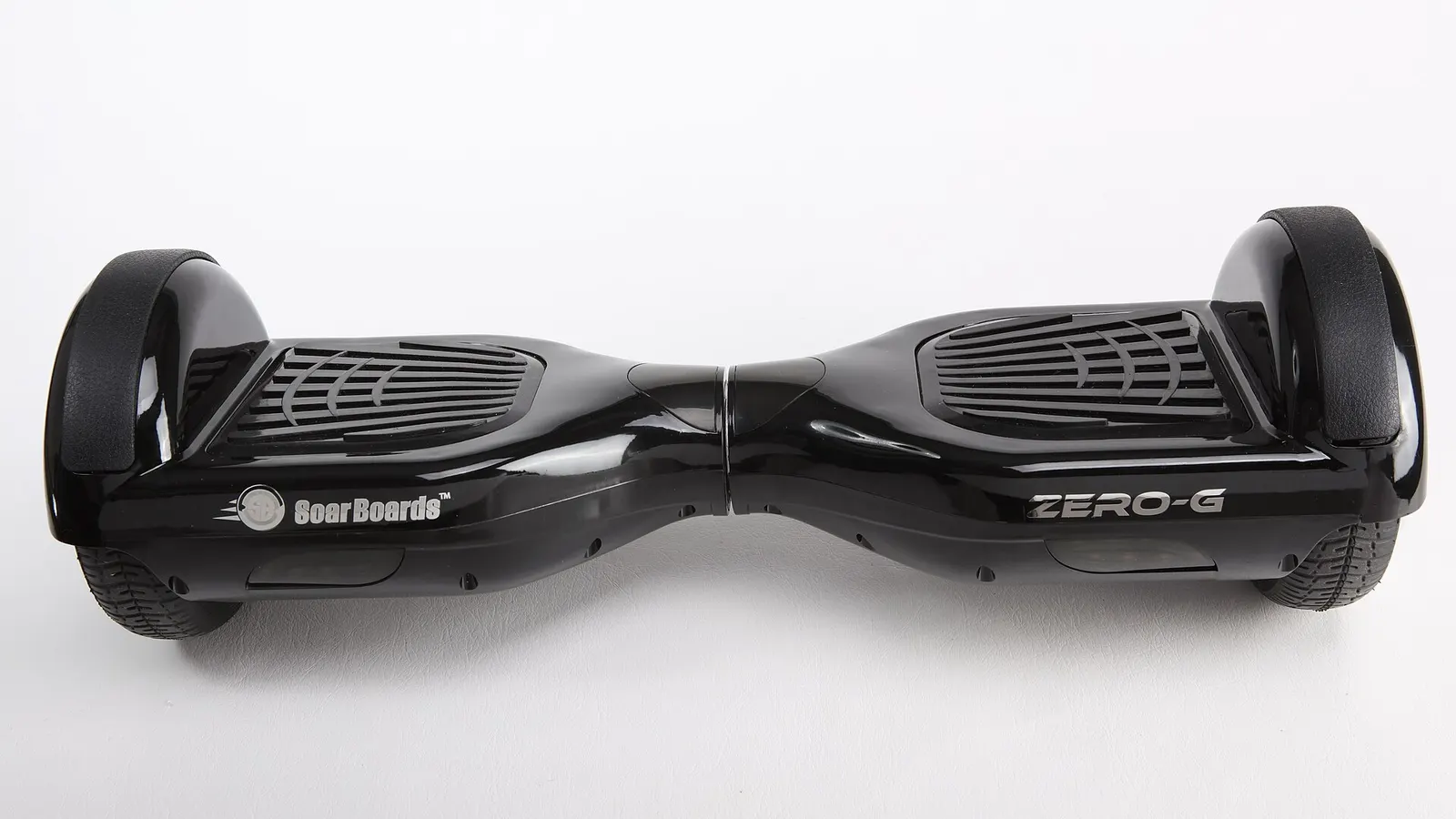
Wheel sizes, safety certifications, UL2272, Bluetooth speakers, price ranges, and how to choose the right hoverboard.
Hoverboards remain one of the most popular electric rideables in Australia, particularly as gifts for kids and teenagers. The market is flooded with options ranging from $100 bargain-bin models to $600 premium units. This guide helps you sort out what is worth buying and what to avoid.
What a Hoverboard Actually Is
A hoverboard is a self-balancing, two-wheeled electric platform. You stand on it with one foot on each side, and it uses gyroscope sensors and motors in each wheel to stay balanced. Lean forward to go forward, lean back to slow down and reverse, and shift your weight left or right to turn.
Despite the name, nothing hovers. The term stuck from early marketing and has become the standard name for these devices.
Wheel Sizes and What They Mean
Hoverboards come in three main wheel sizes, and the size determines the riding experience more than any other single factor.
6.5-inch wheels. The standard size. These boards are lightest (typically 8 to 10 kg), most compact, and best suited to smooth indoor surfaces and flat footpaths. They struggle on anything rougher than clean concrete. This is the most common size for kids and indoor use.
8-inch wheels. A middle ground that handles slightly rougher surfaces while remaining reasonably portable. Some 8-inch models use inflatable tyres, which improve ride comfort. A good choice for mixed indoor and outdoor use.
10-inch wheels. The largest standard size, almost always with inflatable (pneumatic) tyres. These handle grass, gravel, and uneven footpaths much better than smaller wheels. They are heavier (12 to 15 kg) and more expensive, but the ride quality improvement on Australian suburban footpaths is significant. Best for adults and outdoor use.
Choosing a size. For kids riding mostly indoors or on smooth driveways, 6.5-inch is fine. For anyone riding outdoors on typical Australian paths, which are often cracked, uneven, or have loose gravel, 8-inch or 10-inch wheels make a real difference to safety and comfort.
Safety Certifications
This is the most important section of this guide. Cheap hoverboards with substandard batteries have caused house fires. This is not theoretical; it has happened in Australia and globally.
UL 2272 certification. This is the electrical safety standard specifically developed for hoverboards. It covers the battery, charger, and electrical system. Only buy a hoverboard with UL 2272 certification. If the listing does not mention it, or the seller cannot provide proof, do not buy it.
Australian compliance. Products sold in Australia must comply with relevant safety standards. The ACCC has issued safety warnings about hoverboards in the past. Look for boards that specifically state compliance with Australian electrical safety requirements.
Battery quality. Reputable hoverboards use branded lithium-ion cells from manufacturers like Samsung or LG. Cheap boards use no-name cells with poor quality control. This is where fire risk comes from. Brand-name cells cost more but are significantly safer.
Charger quality. The charger should have appropriate Australian certifications and an auto-shutoff when the battery is full. Do not use third-party chargers unless they are specifically rated for your board.
Price Ranges in Australia
Budget ($100 to $250). Entry-level boards, often with 6.5-inch wheels and basic features. At this price, verify safety certifications carefully. Many boards at this price point are imported without proper certification.
Mid-range ($250 to $450). Better build quality, branded battery cells, Bluetooth speakers, LED lights, and more reliable electronics. This is the sweet spot for a gift or casual use board.
Premium ($450 to $700). Larger wheels, longer range, app connectivity, higher weight capacity, and robust construction. These are aimed at adults or teens who ride frequently.
Budget warning. A hoverboard under $150 is almost certainly cutting corners on battery quality, build materials, or certifications. The money you save is not worth the risk.
Features Worth Having
Self-balancing mode. Entry-level boards require you to be standing on them before they balance. Better boards have a self-levelling mode that keeps the footpads level when you step on, making mounting much easier for beginners and kids.
Speed modes. Multiple speed settings let beginners ride slowly and progress as they gain confidence. Essential for kids.
LED lights. Mostly cosmetic, but lights on the wheels and deck add visibility in low light conditions, which has a genuine safety benefit.
Bluetooth speakers. A common feature that kids love and parents may not. Sound quality varies from terrible to acceptable. Not a buying criterion, but a nice bonus.
App connectivity. Some brands offer an app that lets you adjust speed limits, check battery status, and track ride data. Useful for parents who want to limit their child's top speed.
Weight capacity. Check the maximum rider weight. Most boards support 75 to 100 kg. For adults, ensure the board is rated for your weight. Exceeding the weight limit affects performance and can damage the board.
IP rating. An IP54 or higher rating means the board has some dust and water resistance. This does not mean it is waterproof, but it can handle a light splash without damage. Avoid riding in rain regardless.
Hoverboards for Kids: Age and Size Considerations
Minimum age. Most manufacturers recommend age 8 and above. Younger children generally lack the balance and coordination to ride safely. Some brands offer smaller, lighter boards specifically designed for younger riders (age 6+), with lower speeds and smaller footpads.
Weight minimums. Hoverboard sensors require a minimum weight to activate. Very light children (under 20 kg) may find that the board does not respond consistently. Check the minimum weight specification.
Learning process. Expect kids to need 30 to 60 minutes to learn basic riding. Have them practice on a flat, smooth surface with space around them. Holding a parent's hands while learning to mount and dismount is helpful. Helmets and pads are essential during the learning phase and recommended always.
Hoverboards for Adults
Adults can absolutely ride hoverboards, but they should choose accordingly.
Wheel size. 8-inch or 10-inch for adults, especially for outdoor use. The 6.5-inch boards that suit kids feel cramped and unstable for adult riders.
Weight capacity. Verify the board supports your weight. Boards rated for 100 kg or above are available and necessary for larger riders.
Speed and range. Adults typically want more speed and range than a basic kids' board provides. Look for boards with a top speed of at least 12 to 15 km/h and a range of 12 to 15 km.
Build quality. Adults put more stress on the board due to higher weight. Cheaper boards with plastic housings may crack or flex under adult weight. Look for aluminium-reinforced frames and quality housing materials.
What to Check Before Buying
- UL 2272 certification documented and verifiable
- Branded battery cells (Samsung, LG, or equivalent)
- Australian-compliant charger
- Weight capacity suits the intended rider
- Wheel size appropriate for intended terrain
- Warranty from an Australian-based seller or distributor
- Speed limiting or beginner mode available (especially for kids)
- Reviews from Australian buyers mentioning build quality and longevity
Common Problems and How to Avoid Them
Calibration drift. If the board pulls to one side, it may need recalibrating. Most boards have a calibration procedure in the manual (usually involves holding a button while the board is level). Do this on a known flat surface.
Battery degradation. Storing the board with a flat battery for months damages the cells. If the board will not be used for a while, store it at around 50 percent charge and top it up every couple of months.
Cheap replacements. Avoid buying replacement chargers or batteries from unverified sources. Use manufacturer-approved parts.
Water damage. Hoverboards and water do not mix. Even boards with IP ratings should not be ridden in rain or through puddles. Water damage is typically not covered by warranty.
A hoverboard is a fun, accessible electric rideable that works well for casual riding and short trips. Buy one with proper certifications from a reputable seller, match the wheel size to your terrain, and it should provide reliable entertainment for years.
Ready to Balance?
See electric unicycles and hoverboards for beginners and experienced riders.
Shop Self-Balancing EVs →