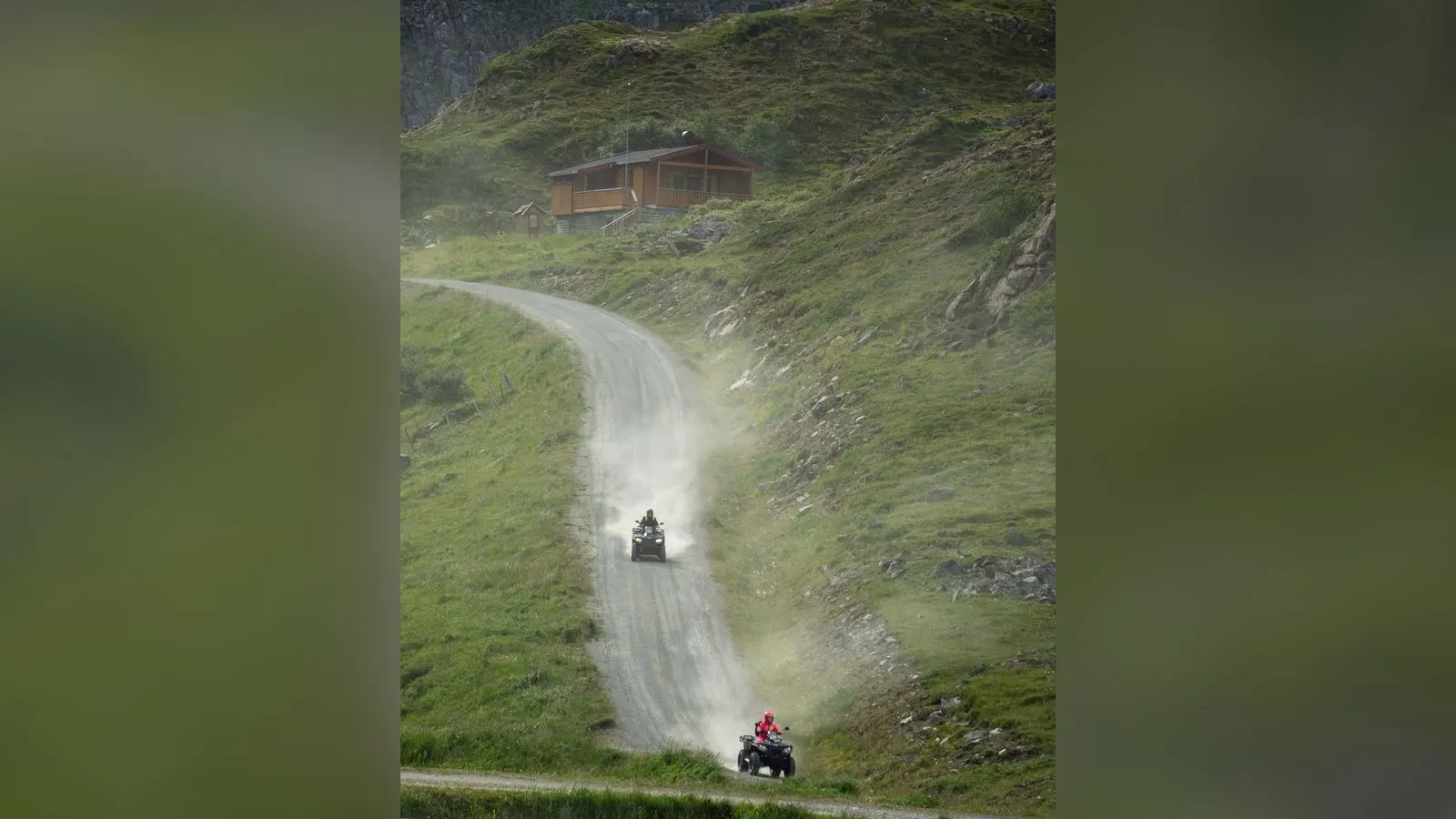
High-performance electric quads for adults — range, towing capacity, terrain capability, and how they compare to petrol ATVs.
Adult Electric ATVs for Recreation and Farm Use in Australia
Electric ATVs are no longer a novelty. A growing number of Australian property owners, farmers, and weekend riders are looking at battery-powered quads as a genuine alternative to petrol models. The technology has matured, the range has improved, and the running costs make a compelling case. This guide covers what is available, what to expect, and whether an electric ATV suits your needs.
Why Electric ATVs Are Gaining Ground
The appeal is straightforward. Electric ATVs are quiet, cheap to run, require minimal maintenance, and produce zero direct emissions. For farmers, the quiet operation means less stress on livestock. For recreational riders on rural properties, it means fewer noise complaints from neighbours. For anyone, it means no fuel runs, no oil changes, and no carburettor issues.
The main trade-off has always been range and charge time, but current-generation models are closing that gap. Mid-range electric ATVs now offer 50 to 100 kilometres per charge depending on terrain and load, which covers a full day of farm work for most properties.
Recreation vs Farm Use
How you plan to use an electric ATV determines which features matter most.
Recreational use — trail riding, property exploring, weekend fun — prioritises suspension travel, ground clearance, speed, and hill-climbing power. You want a machine that handles varied terrain comfortably and has enough range for a few hours of riding.
Farm and utility use prioritises torque at low speed, towing capacity, cargo racks, and durability. You need a machine that can pull a trailer of hay bales, carry fencing supplies, and handle muddy paddocks day after day without fuss.
Some models bridge both categories, but most lean one way. Know your primary use before shopping.
Range and Battery
Most adult electric ATVs use lithium-ion battery packs ranging from 2 kWh to 14 kWh in capacity. As a rough guide:
- 2 to 4 kWh: Light-duty, short-range use. Suitable for small properties and quick jobs. Range of 20 to 40 km on flat ground.
- 5 to 8 kWh: Mid-range. Handles a full morning of farm work or a couple of hours of trail riding. Range of 40 to 80 km.
- 9 to 14 kWh: Heavy-duty. All-day range for most properties. Range of 80 to 130 km on mixed terrain.
Range drops significantly when towing, climbing hills, or riding through mud or sand. A machine rated at 100 km on flat ground might deliver 50 to 60 km when pulling a loaded trailer over hilly paddocks.
Charging from a standard 240V Australian household outlet typically takes 4 to 10 hours depending on battery size. Some models support faster charging with an optional higher-amperage charger.
Towing and Payload
For farm use, towing capacity is often the deciding factor. Current electric ATVs offer towing ratings from 200 kg on lighter models up to 600 kg or more on heavy-duty utility quads.
Key points to check:
- Towing capacity — rated maximum weight the ATV can pull on flat ground
- Payload capacity — how much weight the racks and the rider can carry combined
- Hitch type — ball hitch, pin hitch, or proprietary fitting
- Low-speed torque — electric motors deliver maximum torque from zero RPM, which is a genuine advantage for towing and hill starts
Electric motors are inherently well-suited to towing. Unlike petrol engines that need to build RPM to produce torque, an electric motor delivers full pulling force immediately. This makes starting a heavy load on a slope smoother and less likely to stall.
Performance Compared to Petrol
A common question is whether electric ATVs can match the performance of petrol models. The answer depends on what you mean by performance.
Acceleration and torque: Electric wins. Instant torque delivery means quicker acceleration from a stop and stronger pulling force at low speed.
Top speed: Comparable. Most adult electric ATVs top out at 50 to 80 km/h, similar to equivalent-class petrol machines.
Hill climbing: Electric performs well thanks to consistent torque. However, sustained hill climbing drains the battery faster than flat riding.
Range per session: Petrol still has the edge for all-day riding without breaks. A 15-litre fuel tank gives more total range than most battery packs. But for typical farm work — a few hours in the morning, a few in the afternoon — electric range is usually sufficient, especially if you can plug in at lunch.
Noise: Electric is dramatically quieter. This matters for livestock work, early morning starts, and properties near residential areas.
Running Costs
This is where electric ATVs shine. Approximate annual running cost comparison for a mid-size ATV used regularly on a farm:
Petrol ATV:
- Fuel: $800 to $1,500 per year
- Oil and filter changes: $100 to $200 per year
- Spark plugs, air filter, valve adjustments: $100 to $300 per year
- Total: roughly $1,000 to $2,000 per year in consumables
Electric ATV:
- Electricity: $100 to $300 per year (charging from mains)
- Brake pads (less wear due to regenerative braking): $30 to $80 per year
- Total: roughly $130 to $380 per year
The upfront purchase price of an electric ATV is typically higher than an equivalent petrol model, sometimes by 20 to 50 percent. But the running cost savings add up over the machine's lifespan. If you are running solar panels on the property, charging cost drops close to zero.
What to Look For When Buying
Battery warranty: Lithium-ion batteries degrade over time. Look for a minimum 2-year warranty on the battery pack, ideally longer. Check what the warranty covers — some only cover total failure, not gradual capacity loss.
Water and dust resistance: Australian conditions are harsh. Look for an IP rating (IP65 or higher is good) on the motor and battery compartment. The machine should handle creek crossings, dust, and rain without issue.
Serviceability: Can you get parts in Australia? Is there a local dealer or service centre, or are you ordering from overseas and waiting weeks? This matters more for a working farm machine than a weekend toy.
Suspension: For rough paddocks and trails, decent suspension travel (150 mm or more) makes a big difference to comfort and control.
Braking: Hydraulic disc brakes on all four wheels are standard on quality adult ATVs. Regenerative braking is a bonus — it slows the machine and feeds energy back to the battery.
Registration and Legal Use
In most Australian states and territories, ATVs (electric or petrol) are not registered for on-road use. They are classified as off-road recreational vehicles or farm vehicles.
On private property: No registration or licence is typically required, but workplace health and safety laws apply if the ATV is used for work. In Victoria, for instance, quad bikes used on farms must have operator protection devices (OPDs or crush protection) fitted. Check your state's requirements.
On public land: Some states offer conditional or recreational registration for ATVs to access certain trails and state forests. Queensland, for example, has a recreational registration scheme. Rules vary, so check with your state transport authority.
On roads: Generally not permitted. Some states allow ATVs to cross roads at designated points or travel short distances on roads between paddocks on farming properties. Again, state-specific rules apply.
Solar Charging on the Farm
One of the practical advantages of an electric ATV on an Australian property is the ability to charge from solar. If you already have a solar system, plugging in the ATV during the day costs nothing and keeps the machine ready for afternoon work.
A typical mid-size electric ATV battery (5 to 8 kWh) can be fully charged by a modest solar system in 3 to 6 hours of good sunlight, even without a dedicated EV charger. You just need a standard power outlet connected to your solar inverter.
For properties off the grid, this is a genuine advantage over petrol. No fuel deliveries, no jerry cans, no fuel storage compliance — just sunlight.
Who Should Consider an Electric ATV
An electric ATV makes the most sense if:
- Your daily riding is under 80 km and you can charge overnight or during breaks
- You work around livestock and value quiet operation
- You want to minimise ongoing fuel and maintenance costs
- You have solar power on the property
- You ride on a property near residential areas where noise is a concern
It may not be the best fit if:
- You need to ride 150+ km per day without stopping
- You are in extremely remote areas without reliable power for charging
- Your budget is very tight and the upfront cost premium is a barrier
For most Australian farms and rural properties, an electric ATV is now a practical, cost-effective option. The technology is proven, the range is sufficient for typical use, and the running costs are hard to argue with.
Ready for the Property?
Browse kids and adult electric quad bikes and ATVs for recreation and farm work.
Shop Electric Quads →