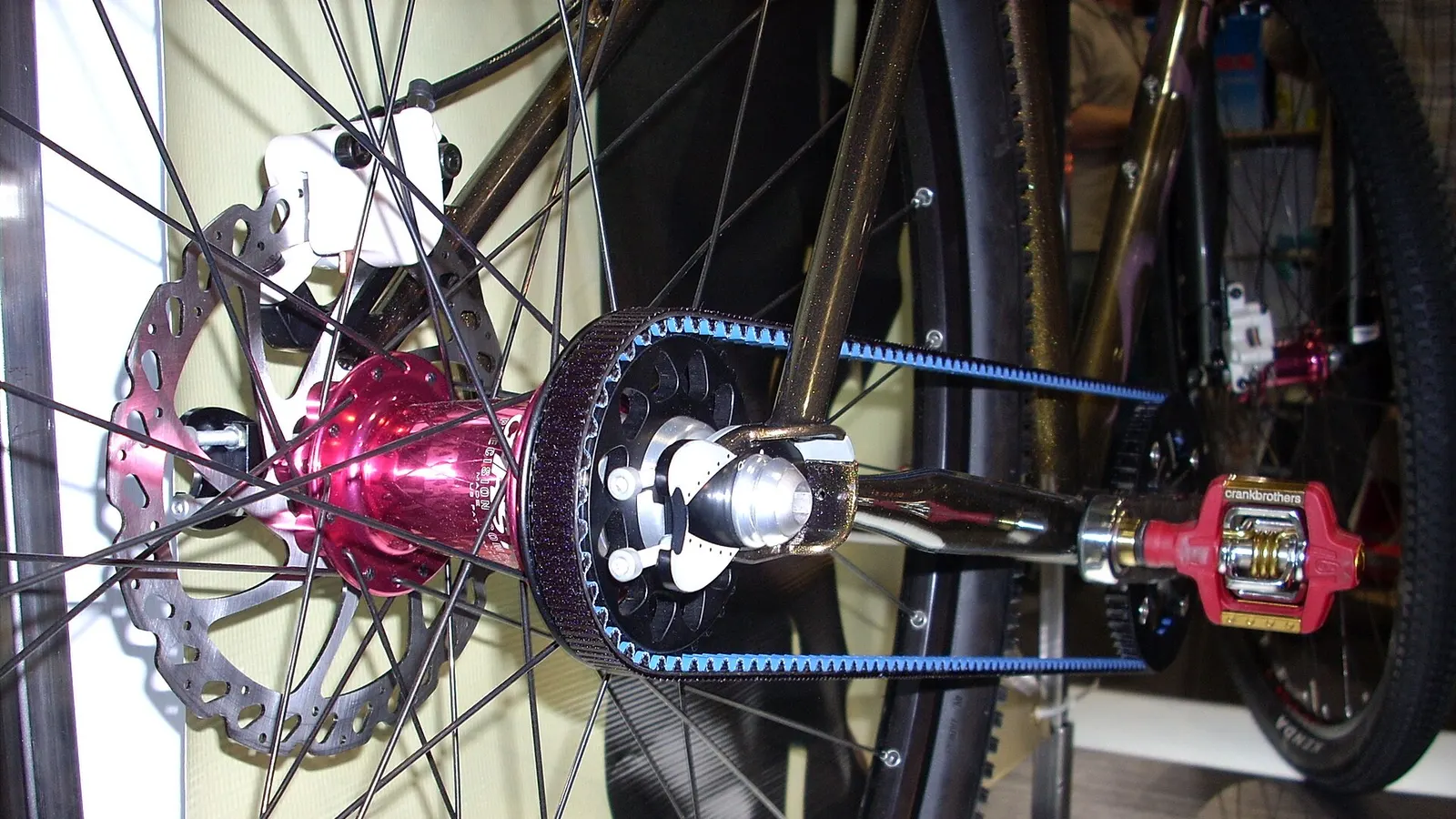
Comparing zero-maintenance belt drives with internal gear hubs against traditional cassette chains for daily urban commuting.
The drivetrain is the component you interact with on every ride but rarely think about until it starts clicking, stretching, or dropping chains at traffic lights. For e-bike commuters, the choice between a Gates Carbon belt drive and a traditional roller chain affects maintenance, cost, noise, and long-term reliability. Here is how they compare in Australian conditions.
How a Belt Drive Works
A belt drive replaces the metal chain with a carbon-fibre-reinforced polyurethane belt running on toothed sprockets. The belt does not stretch, does not rust, does not need lubrication, and runs almost silently. It pairs exclusively with an internal gear hub (IGH) such as the Shimano Nexus, Alfine, or Enviolo because it cannot be routed through a derailleur.
Gates (the dominant brand) rates their CDX belt at 30,000 km+ before replacement — roughly three to five years of daily commuting.
How a Chain Drive Works
A chain drive uses steel roller links meshing with chainrings and cassette sprockets. Chains stretch over time (the pins and rollers wear, increasing pitch length), which accelerates sprocket wear. A commuter chain typically lasts 3,000–5,000 km before needing replacement, and if you ride past that point, you will also need a new cassette.
Chain drives work with both derailleur gears (external) and internal gear hubs. Derailleurs offer wider gear ranges and are cheaper to service, but they require regular cleaning and lubrication.
Head-to-Head Comparison
| Factor | Belt drive | Chain drive |
|---|---|---|
| Maintenance | Near zero — wipe down occasionally | Regular cleaning, lubrication, tension checks |
| Lifespan | 30,000+ km | 3,000–5,000 km per chain |
| Noise | Almost silent | Clicks, rattles if poorly adjusted |
| Weight | Belt is lighter; IGH adds weight | Chain is heavier; derailleur is lighter than IGH |
| Grease/oil | None — clean to touch | Oil attracts grit, stains clothes |
| Gear range | Limited by IGH (typically 380–530 %) | Wide (up to 600 %+ with derailleur) |
| Cost | Higher upfront (belt + IGH) | Lower upfront; higher ongoing |
| Repairability | Cannot be split roadside | Chain tool fixes a broken link in minutes |
Which Suits Australian Commuters?
Belt drives excel for riders who:
- Commute daily in all weather and want zero maintenance
- Ride through sandy or dusty conditions (common in outer Melbourne and regional areas)
- Wear work clothes and cannot afford grease stains
- Value quiet operation on shared paths
Chain drives make more sense for riders who:
- Need a wide gear range for very steep hills (20 %+ grades)
- Want the cheapest possible entry price
- Ride varied terrain (a derailleur gives you more ratios for hills and headwinds)
- Are comfortable doing basic chain maintenance or have a local bike shop nearby
The Internal Gear Hub Factor
Because belt drives require an internal gear hub, the IGH becomes part of the decision:
- Shimano Nexus 5/7/8: affordable, reliable, adequate range for flat-to-moderate routes
- Shimano Alfine 8/11: smoother shifting, wider range, better build quality
- Enviolo (CVT): stepless shifting — no distinct gears, just a smooth twist. Excellent for commuting but heavier.
An IGH shifts under load and at standstill, which is a genuine advantage in stop-start city traffic. Derailleurs need you to ease pedal pressure while shifting.
Cost Over Five Years
For a daily commuter riding 5,000 km per year:
| Belt drive | Chain drive (derailleur) | |
|---|---|---|
| Upfront premium | +$300–$600 | — |
| Chains (5 years) | $0 | $150–$250 (5–8 chains) |
| Cassettes | $0 | $100–$200 (1–2 cassettes) |
| Lubrication | $0 | $30–$50 |
| Labour (chain/cassette swaps) | $0 | $150–$250 |
| Belt replacement (if needed) | $60–$80 | — |
| 5-year total | ~$360–$680 | ~$430–$750 |
The cost difference narrows over time. If you factor in the time spent cleaning and lubricating a chain (15 minutes per fortnight), the belt drive wins on total cost of ownership for most commuters.
Bottom Line
For daily Australian commuters who value low maintenance and clean operation, a belt-drive e-bike with an internal gear hub is the better long-term investment. If you need the widest possible gear range or the lowest entry price, a chain-drive derailleur setup still delivers. Either way, match the drivetrain to your route and your willingness to maintain it.
Ready to Find Your E-Bike?
Browse commuter, cargo, folding and mountain e-bikes from Brunswick, Victoria, with express freight across Australia.
Shop E-Bikes →