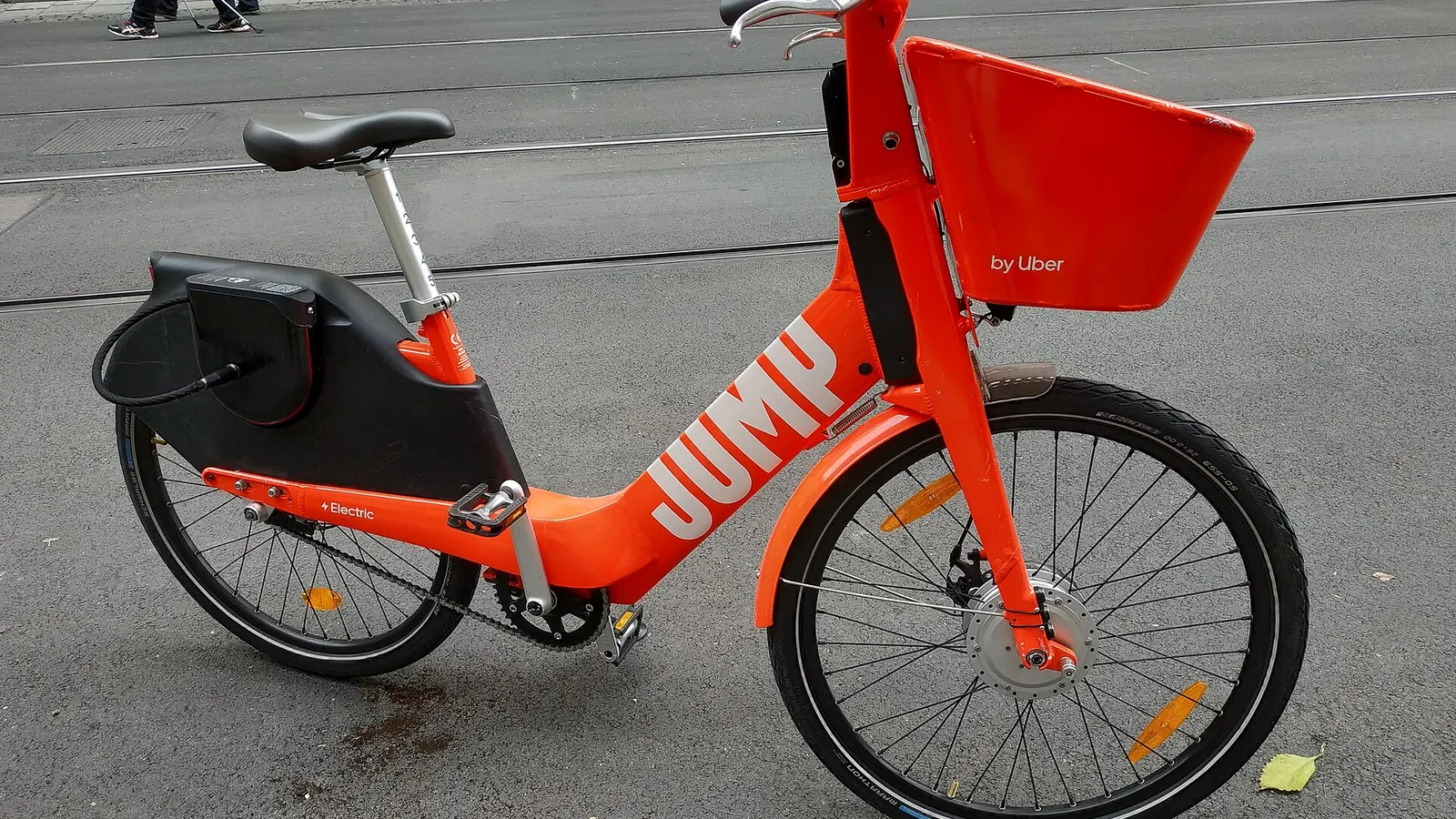
Everything you need to know about motor wattages, battery capacities, hydraulic brakes, and Australian EN15194 legal requirements before buying your first commuter e-bike.
When evaluating the best electric commuter bike in Australia, riders must weigh several critical factors: motor wattage and hill climbing torque, battery cell quality, braking safety, and local service support. In Australian capital cities like Melbourne, Sydney, and Brisbane, commuter routes often mix flat arterial roads with sudden steep incline gradients.
1. Motor Wattage & Torque Output
Under the EN 15194 pedal-assist standard used in Australia, a bike ridden as a bicycle on public roads has a motor limited to 250 W continuous rated power with assistance cutting out at 25 km/h; more powerful or faster bikes may be restricted to private land. Wattage alone does not determine how easily a bike climbs hills — torque (measured in Newton-metres) is key. Hub motors deliver assistance as soon as the pedal sensor engages, while mid-drive motors work through the gears and suit steep climbs. Check the torque figure on the manufacturer's page for the exact model.
Popular mid-drive systems like the Bafang M400 or Shimano STEPS E6100 deliver 60–80 Nm of torque, making Melbourne's Hoddle Street overpass or Sydney's Spit Hill manageable in lower gears. Rear hub motors, while quieter and lower-maintenance, typically cap out at 40–50 Nm and may struggle on grades above 12 %.
2. Battery Cell Chemistry & Thermal Safety
Not all e-bike batteries are created equal. Low-quality packs can lose capacity quickly or struggle in hot Australian summers. Look for a battery with a built-in Battery Management System (BMS) for thermal cut-off protection, and ask the seller which cell brand and certification the pack uses.
A 500 Wh pack gives most commuters 40–70 km of mixed-assist range. If your round-trip exceeds that, consider a frame with a second battery option or a high-capacity 720 Wh pack. Store the battery between 20 % and 80 % charge when not riding, and never leave it in a car boot on a 40 °C day — lithium cells degrade rapidly above 45 °C.
3. Hydraulic Disc Brakes vs Mechanical Brakes
Because electric bikes travel faster and weigh more than traditional bicycles, hydraulic disc brakes (such as Tektro HD-M275 or Shimano MT200) provide significantly better stopping power and require minimal hand lever pressure compared to mechanical cable brakes.
On a 25 kg e-bike travelling at 25 km/h in wet Melbourne conditions, hydraulic discs can stop you in roughly 5 metres. Mechanical disc brakes need 7–9 metres under the same conditions. For cargo e-bikes loaded with groceries or children, hydraulic brakes are non-negotiable.
4. Frame Geometry & Riding Position
Commuter e-bikes typically offer two frame styles: step-through and step-over (diamond). Step-through frames let you mount and dismount easily at traffic lights and suit riders who carry a bag or wear business clothes. Step-over frames are stiffer and lighter but less practical in stop-start traffic.
Look for a frame with cable routing through the downtube, integrated lights, and mudguards as standard. Aftermarket accessories add cost and weight that factory-fitted parts avoid.
5. Australian Legal Compliance
A legally compliant pedal-assist e-bike in Australia must meet EN 15194 and have a motor rated at no more than 250 W continuous, with power assist ceasing at 25 km/h. Throttle-equipped bikes follow different rules depending on the state and may need registration. Always confirm compliance with your state transport authority before riding on public roads.
6. What to Look for When Test Riding
Book a test ride that includes a hill and a stretch of flat road. Pay attention to:
- Pedal-assist lag: a good torque sensor responds in under half a pedal revolution
- Motor noise: mid-drives hum under load; hub motors should be near-silent
- Display readability: can you read speed and battery level in direct sunlight?
- Braking feel: levers should not need excessive pull to stop confidently
Bottom Line
The best electric commuter bike for Australian conditions is one that matches your route profile, fits your body, and meets EN 15194 for legal road use. Prioritise torque over raw wattage, choose hydraulic brakes, and invest in a quality battery pack with thermal management. If you commute more than 30 km each way, consider a dual-battery model or a high-capacity pack above 600 Wh.
Ready to Find Your E-Bike?
Browse commuter, cargo, folding and mountain e-bikes from Brunswick, Victoria, with express freight across Australia.
Shop E-Bikes →