Calculate your annual fuel, insurance, and parking savings when switching school drop-offs and grocery runs to a heavy-duty cargo e-bike.
The average Australian household spends over $12,000 per year running a second car — registration, insurance, fuel, servicing, and depreciation. A dual-battery cargo e-bike costs between $4,000 and $9,000 upfront and under $200 per year to run. For families doing school drop-offs, grocery runs, and local errands, the maths is hard to ignore.
The Cost Breakdown
Here is a real comparison for a Melbourne family doing 15,000 km per year in their second car:
| Expense | Second car (per year) | Cargo e-bike (per year) |
|---|---|---|
| Registration | $850 | $0 |
| Insurance | $1,200 | $150 (optional bicycle insurance) |
| Fuel / electricity | $2,400 | $30 (wall charging) |
| Servicing | $800 | $150 (annual tune-up) |
| Depreciation | $4,000 | $500 |
| Parking permits | $600 | $0 |
| Total | $9,850 | $830 |
That is a saving of over $9,000 per year. The cargo e-bike pays for itself within the first year.
What Can a Cargo E-Bike Actually Carry?
Modern cargo e-bikes are built for serious loads:
- Long-tail models (like the Tern GSD or Yuba Spicy Curry) carry up to 200 kg total payload including the rider. Two child seats fit on the extended rear rack, plus panniers for shopping bags.
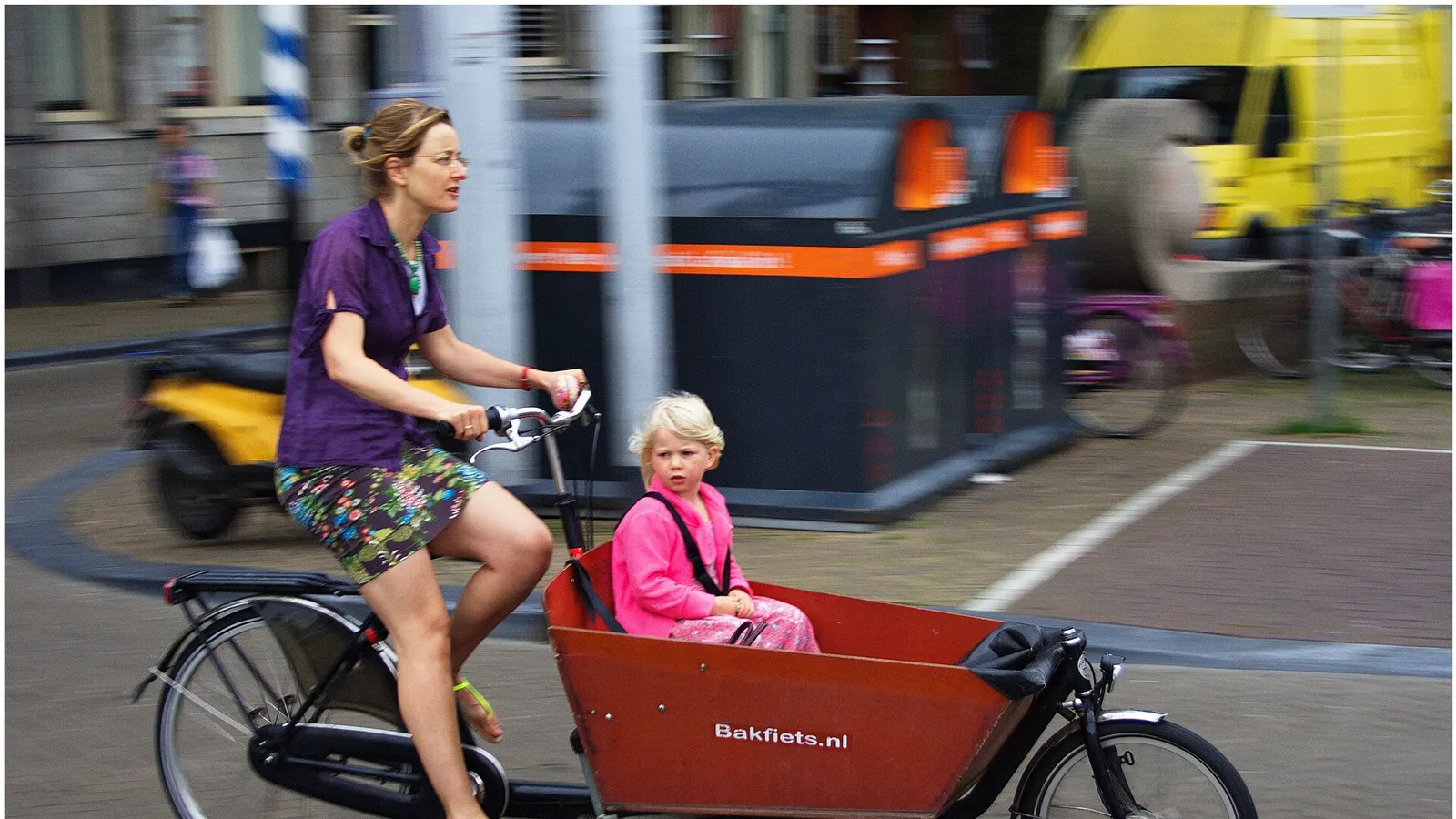
- Front-loader (bakfiets) models (like the Riese & Müller Load or Urban Arrow Family) have an enclosed cargo box ahead of the handlebars that fits two children with a rain canopy, or roughly six bags of groceries.
- Compact cargo models split the difference — shorter than a long-tail but with a beefier rack system than a standard e-bike.
Dual-Battery Range for Longer Days
A single 500 Wh battery gives 40–70 km of range depending on load and terrain. With a dual-battery setup (common on models like the Tern GSD S10), you get 80–140 km — enough for a full day of errands, school runs, and commuting without recharging.
Charging is simple: plug into a standard Australian power outlet. A full charge takes 4–6 hours and costs roughly 15 cents in electricity.
Safety Considerations
Cargo e-bikes with children on board demand extra safety attention:
- Hydraulic disc brakes are essential. Mechanical brakes cannot stop 150 kg+ of bike, rider, and passengers reliably in wet conditions.
- Wide tyres (2.0 inches or more) add stability and grip, especially on gravel paths and wet tram tracks in Melbourne.
- Integrated lights should be powered by the main battery so they never run flat.
- A sturdy kickstand (double-leg centre stand) keeps the bike upright while loading children or groceries.
The School Run
The average Melbourne school run is 2.5 km. By car, that takes 12–20 minutes in morning traffic, plus time circling for parking. By cargo e-bike, it takes 8–12 minutes door to door, with no parking stress. Children are at eye level with pedestrians and can interact with their neighbourhood instead of sitting in a car seat.
Most Melbourne schools have bicycle parking. If yours does not, ask — many schools are adding racks as cargo bike popularity grows.
Making the Switch
You do not need to go cold turkey. Start by replacing your three shortest car trips per week with the cargo e-bike. Most families find that within a month, the second car sits unused most days. From there, the question shifts from "can we sell the car?" to "why are we still paying registration on it?"
A well-chosen cargo e-bike with dual batteries, hydraulic brakes, and quality child seats is a genuine replacement for a second car — not a compromise, but an upgrade in daily life.
Ready to Find Your E-Bike?
Browse commuter, cargo, folding and mountain e-bikes from Brunswick, Victoria, with express freight across Australia.
Shop E-Bikes →