Every accessory ranked by priority — from legally required safety gear to comfort upgrades and maintenance tools for Australian e-bike riders.
The bike itself is only half the purchase. The right accessories make the difference between a ride that is safe, comfortable, and practical versus one that is nerve-wracking, sweaty, and inconvenient. Here are the accessories every e-bike rider in Australia should consider — ranked by priority.
Priority 1: Safety (Non-Negotiable)
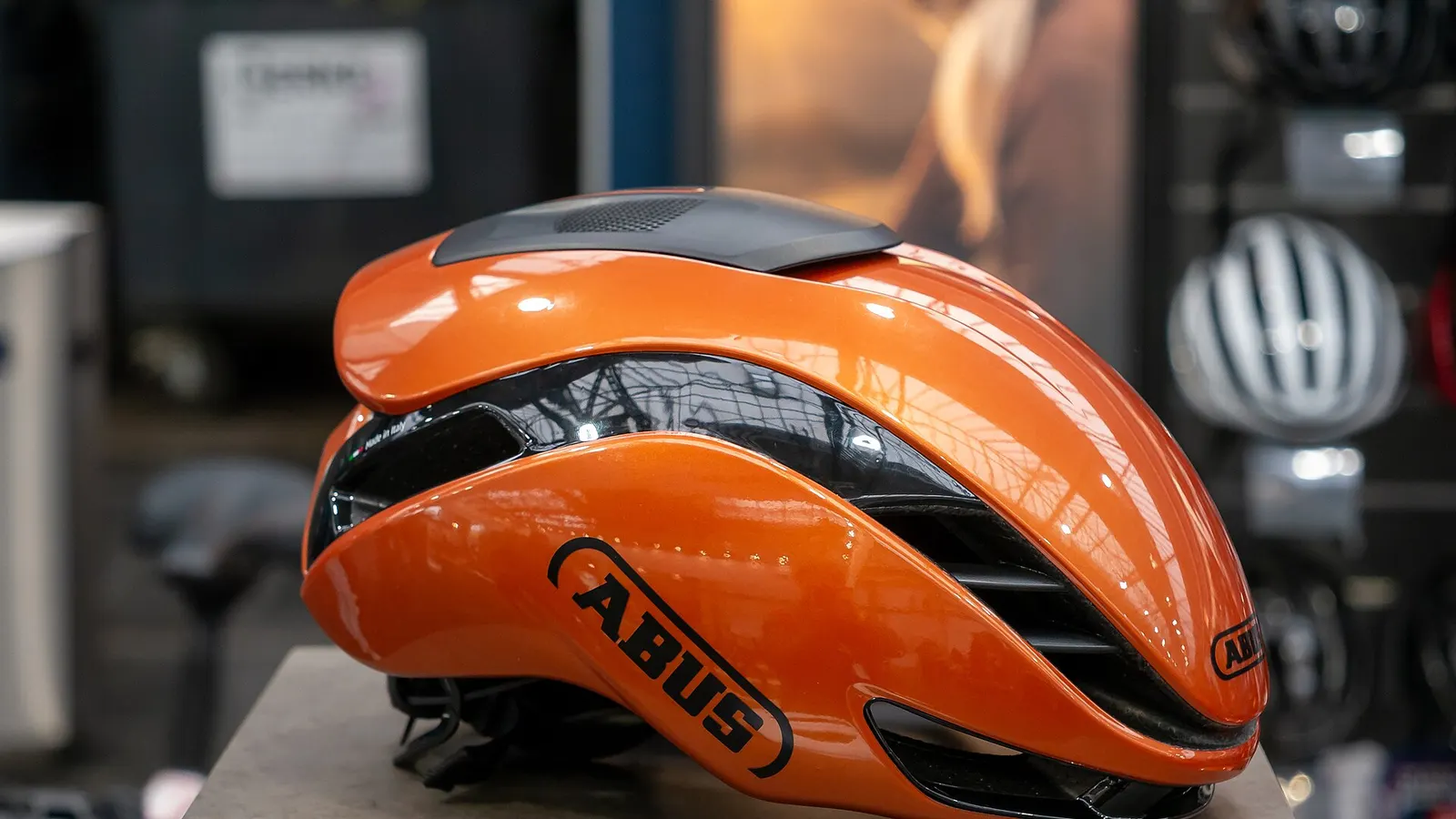
Helmet
Helmets are legally required in every Australian state and territory. No exceptions, no excuses. A fine for riding without one ranges from $100 to $400 depending on the state.
What to look for:
- Australian Standard AS/NZS 2063 compliance — this is the minimum legal requirement
- MIPS (Multi-directional Impact Protection System) — a liner that rotates slightly on impact to reduce rotational forces. A meaningful safety upgrade for $20–$40 more than a non-MIPS helmet
- Ventilation — critical in Australian summers. More vents = cooler head = more likely to actually wear it
- Fit — a helmet that does not fit properly does not protect properly. Try before you buy, or choose a brand with detailed sizing charts
Budget: $60–$80 for a solid AS/NZS 2063 helmet. $100–$180 for MIPS-equipped models from brands like Giro, Bell, or Lazer.
Lights
Front and rear lights are legally required after dark in every state. But even in daylight, running lights significantly increase your visibility to drivers.
Front light:
- Minimum 400 lumens for road riding at night. 800+ lumens if you ride unlit paths or trails.
- USB rechargeable — battery lights are wasteful and die at the worst times
- Quick-detach mount — remove it when you park to prevent theft
Rear light:
- Minimum 50 lumens with a flash mode. Flashing rear lights are legal in all states and significantly more visible to drivers.
- Brake-light function (some models detect deceleration and brighten) is a genuine safety advantage at intersections.
Budget: $40–$80 for a quality front/rear set. Brands like Lezyne, Knog, and CatEye are reliable.
Lock
Covered in detail in our lock security guide, but the summary: buy the best lock you can afford and use two different types. A U-lock plus a cable lock is the minimum. Budget $80–$200 for a serious lock setup.
Priority 2: Comfort and Practicality
Mudguards (Fenders)
Melbourne averages 150+ rain days per year. Without mudguards, a wet road sends a continuous spray of dirty water up your back, into your face, and across your drivetrain. Full-length mudguards (not clip-on "ass savers") are the only option that works properly.
What to look for:
- Full coverage — the guard should extend to within 10–20 mm of the ground at the rear
- Frame compatibility — check that your bike has mounting eyelets or that the guards come with universal clamps
- Width — the guard should be at least as wide as the tyre
Budget: $30–$60 for a quality set. SKS Bluemels and Topeak DeFender are well-regarded.
Rear Rack and Panniers
Carrying weight on your back makes you sweat, raises your centre of gravity, and is uncomfortable beyond 5 km. A rear rack transfers the load to the bike's frame — lower, more stable, and no sweaty back.
Rack: look for one rated to 25 kg+ (e-bikes are heavy enough that a light rack risks fatigue failure). Aluminium alloy is the sweet spot for weight and strength. Check that your frame has rack mounting eyelets or use a seatpost-clamp adapter.
Panniers: waterproof panniers keep your laptop, clothes, and lunch dry. Ortlieb Back-Roller is the gold standard. Budget alternatives from Rhinowalk and Rockbros work well for half the price.
Budget: $40–$80 for a rack, $60–$200 for panniers.
Kickstand
Many e-bikes ship without a kickstand. A 25 kg e-bike leaned against a wall or dropped on the ground is a scratched frame and a broken display waiting to happen. A sturdy centre-mount or rear-mount kickstand costs $15–$30 and saves hundreds in cosmetic damage.
Priority 3: Performance and Maintenance
Tyre Repair Kit
A flat tyre 10 km from home is the most common ride-ending event. Carry:
- Spare inner tube (correct size for your wheel)
- Tyre levers (two plastic levers)
- Mini pump or CO2 inflator — a pump is reusable; CO2 is faster but single-use
- Patch kit as a backup
If your e-bike has tubeless tyres, carry a tubeless plug kit and a CO2 inflator instead.
Budget: $20–$40 for a complete under-saddle kit.
Multi-Tool
A compact bike multi-tool with Allen keys (3, 4, 5, 6 mm), Phillips and flat screwdrivers, and a chain tool handles most roadside adjustments. Crankbrothers M19 and Topeak Mini 20 are popular choices.
Budget: $20–$40.
Phone Mount
Navigation, fitness tracking, and music control all need your phone visible. A handlebar phone mount keeps it accessible without fishing it out of a pocket at every turn.
What to look for:
- Secure grip — vibration from rough roads can bounce a phone out of a spring-clip mount. Quad-lock twist-lock or magnetic mounts are more secure.
- Waterproof case or cover — if your mount does not protect the phone from rain, add a zip-lock bag as a last resort
Budget: $15–$40 for a basic mount. $60–$100 for a Quad Lock system.
Bell
Legally required in most states. A clear, audible bell warns pedestrians on shared paths. The classic Spurcycle or Knog Oi bells sound better and last longer than the $3 bell your bike may have shipped with.
Budget: $10–$40.
Priority 4: Seasonal and Situational
Gloves
Padded cycling gloves reduce hand fatigue on long rides and protect your palms in a fall. In winter, insulated gloves keep your fingers functional in cold morning commutes. In summer, fingerless gloves provide grip without overheating.
Mirror
A handlebar or helmet-mounted mirror lets you check traffic without turning your head. Particularly useful in heavy traffic and on roads without bike lanes.
Rain Jacket
A lightweight, packable rain jacket takes up minimal space in a pannier and keeps you dry during Melbourne's surprise showers. Look for breathable fabrics — a fully waterproof but non-breathable jacket turns into a sauna at e-bike speeds.
Bottom Line
Start with safety: helmet, lights, lock. Add comfort next: mudguards, rack, panniers, kickstand. Then performance: repair kit, multi-tool, phone mount. The total cost of a well-accessorised e-bike setup is $300–$600 — a small fraction of the bike itself, but a large fraction of the riding experience.
Ride Safer, Carry More
Helmets, lights, locks, racks and bags for e-bike and scooter riders.
Shop Safety, Locks & Carry →