Helmet laws in every state, MIPS explained, road vs urban vs MTB helmets, and when to replace — a complete guide for e-bike riders.
Helmets are mandatory for all cyclists in every Australian state and territory — including e-bike riders. There are no exceptions for age, speed, or distance. Riding without a helmet is an on-the-spot fine of $207 in Victoria, $344 in NSW, and $143 in Queensland.
Legal Requirements
Australian Standard AS/NZS 2063
Every helmet sold and worn in Australia must meet AS/NZS 2063 (or an accepted equivalent standard). This standard tests:
- Impact absorption: the foam liner must absorb enough energy to protect the skull at a specified impact speed
- Retention system: the strap and buckle must hold the helmet in place during impact
- Coverage: the helmet must cover a defined area of the head
- Visibility: the helmet must not obstruct peripheral vision
Accepted equivalent standards:
- EN 1078 (European)
- CPSC (US Consumer Product Safety Commission)
- Snell B-90 or B-95
Most helmets sold in Australia by major brands meet multiple standards.
E-Bike-Specific Requirements
There is no separate helmet standard for e-bikes in Australia. A standard AS/NZS 2063 bicycle helmet is legally sufficient for riding a pedal-assist e-bike (250 W, 25 km/h cut-off).
However, some riders choose helmets designed for higher-speed cycling (NTA 8776, the Dutch e-bike helmet standard) or motorcycle-style helmets for added protection. These are not legally required but provide more coverage.
Helmet Types
Road / Commuter Helmets
The standard bicycle helmet. Lightweight (200–350 g), well-ventilated, and designed for road cycling speeds (25–45 km/h on a regular bike, 15–25 km/h on an e-bike).
Best for: urban commuting, casual riding, road cycling Ventilation: excellent (large vents for airflow) Weight: 200–350 g Coverage: top and sides of the head, minimal rear coverage Price: $50–$250
Urban / Skate-Style Helmets
A rounder, deeper shell with more rear and temple coverage than a road helmet. Originally designed for skateboarding and BMX, now popular with urban cyclists and e-bike riders.
Best for: urban riding, e-scooter riders, casual style-conscious riders Ventilation: moderate (fewer and smaller vents) Weight: 300–500 g Coverage: good — wraps lower around the back of the head and temples Price: $60–$200
Mountain Bike (MTB) Helmets
Extended rear coverage and a visor to shield from sun and branches. Some have removable chin bars (convertible full-face).
Best for: trail and off-road e-bike riding, mountain biking Ventilation: good (large vents with internal channels) Weight: 300–450 g Coverage: excellent rear coverage, visor protects face from debris Price: $80–$300
Full-Face Helmets
Complete head and chin coverage. Used for downhill mountain biking and high-speed riding.
Best for: downhill e-MTB, high-speed off-road riding Ventilation: limited (enclosed design restricts airflow) Weight: 600–1000 g Coverage: complete — head, temples, chin, jaw Price: $150–$500
NTA 8776 E-Bike Helmets
The Dutch standard for speed pedelec helmets (e-bikes up to 45 km/h). These provide more protection than a standard bicycle helmet:
- More coverage (extended rear and temple protection)
- Higher impact absorption (tested at higher speeds)
- Face shield option (some models)
- Integrated lights (some models)
Not legally required in Australia (our e-bikes are limited to 25 km/h), but they provide superior protection for riders who want extra safety margin.
Price: $100–$300
Key Features to Look For
MIPS (Multi-Directional Impact Protection System)
MIPS is a low-friction layer between the helmet liner and the outer shell. During an angled impact (the most common crash type — you rarely hit your head straight down), the MIPS layer allows the helmet to rotate slightly on your head, reducing rotational forces on the brain.
Worth it? Yes. MIPS adds $20–$40 to the helmet price and is widely regarded as a meaningful safety improvement. Most major brands offer MIPS versions of their popular models.
Fit System
A dial-adjust fit system (Roc Loc, BOA, or similar) at the back of the helmet lets you fine-tune the fit. The helmet should sit level on your head (not tilted back), covering your forehead to about two finger-widths above your eyebrows. The strap should form a Y under each ear, with the buckle snug under the chin (one finger should fit between the strap and your chin).
Ventilation
More vents = more airflow = cooler riding. For Australian summer commuting, ventilation matters. Road and MTB helmets have the best ventilation. Urban/skate-style helmets run warmer.
Integrated Lights
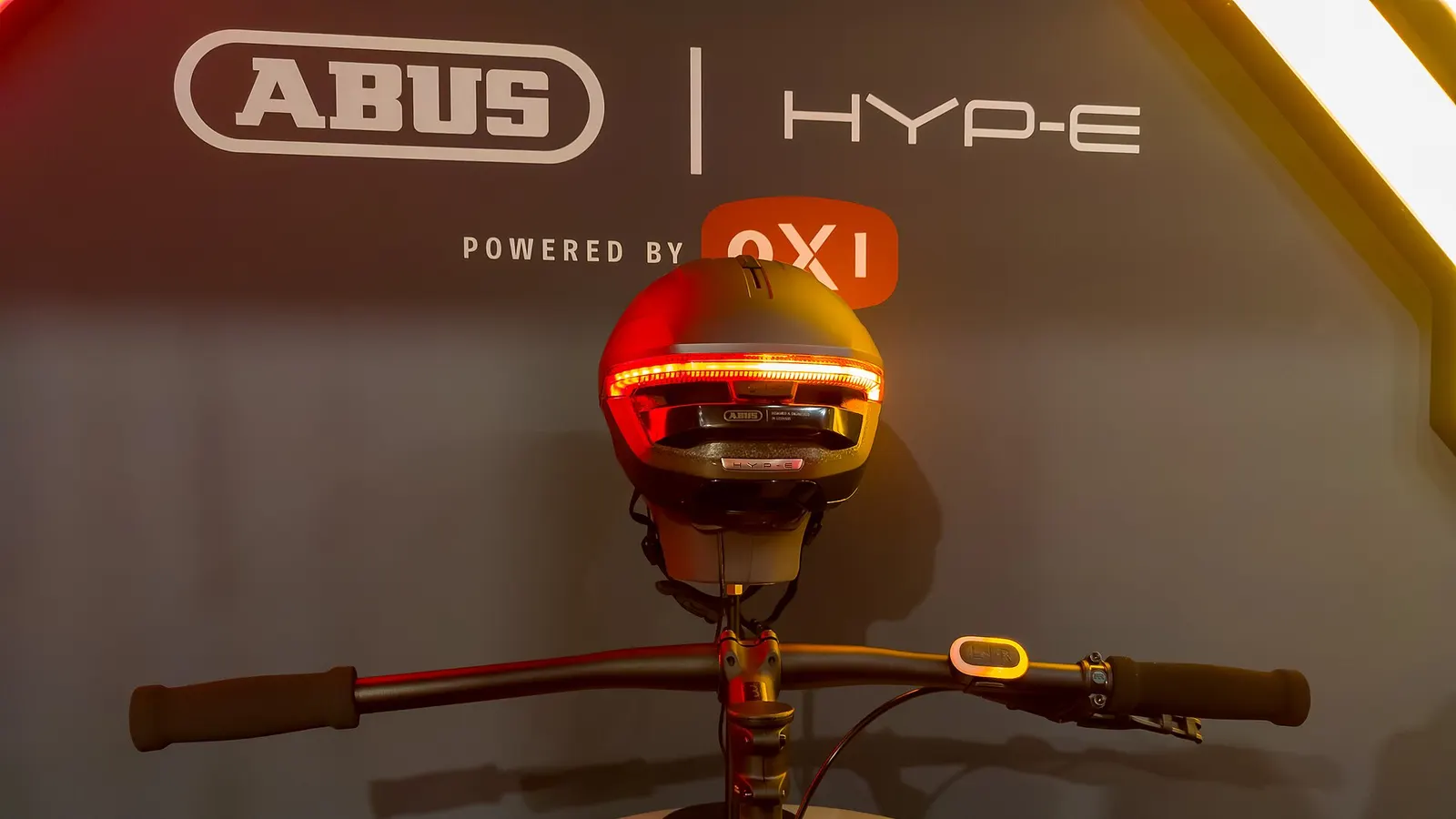
Some commuter helmets have built-in LED lights (rear red, sometimes front white). These are a useful safety feature — they raise your visible profile above car-roof height, making you more visible to drivers.
Visors and Shields
- Visors (peak): shade your eyes from sun and rain. Standard on MTB helmets, optional on commuter helmets.
- Face shields (clear or tinted): protect eyes from wind, rain, and insects. Common on NTA 8776 e-bike helmets. Not common on standard bicycle helmets.
When to Replace
After Any Impact
If the helmet hits the ground (or anything else) in a crash, replace it. The foam liner absorbs energy by crushing — once crushed, it does not recover. A helmet that has been in a crash provides significantly less protection in a second impact, even if there is no visible damage.
After 3–5 Years
Helmet foam and shell materials degrade over time from UV exposure, sweat, temperature cycling, and general wear. Most manufacturers recommend replacement every 3–5 years. Check the manufacture date (usually printed inside the helmet).
If It No Longer Fits
A helmet that has stretched, warped, or no longer sits firmly on your head does not protect you.
Common Mistakes
- Wearing the helmet too far back — exposing the forehead. The helmet should sit level, covering the forehead.
- Loose straps — the helmet should not move when you shake your head. Tighten the strap and the fit dial.
- Wrong size — measure your head circumference (above the ears and eyebrows) and match to the manufacturer's size chart.
- Buying the cheapest option — a $30 helmet meets the minimum legal standard but may lack MIPS, adjustable fit, and adequate ventilation. A $80–$150 helmet is a significant comfort and safety upgrade.
- Keeping a damaged helmet — any helmet that has been dropped, crashed, or is visibly cracked must be replaced.
Bottom Line
A legal, well-fitting helmet is non-negotiable for e-bike riding in Australia. For commuting, choose a road or urban-style helmet with MIPS, an adjustable fit system, and good ventilation. Budget $80–$200 — it is the cheapest and most effective safety investment you can make. Replace after any crash or every 3–5 years.
Ride Safer, Carry More
Helmets, lights, locks, racks and bags for e-bike and scooter riders.
Shop Safety, Locks & Carry →