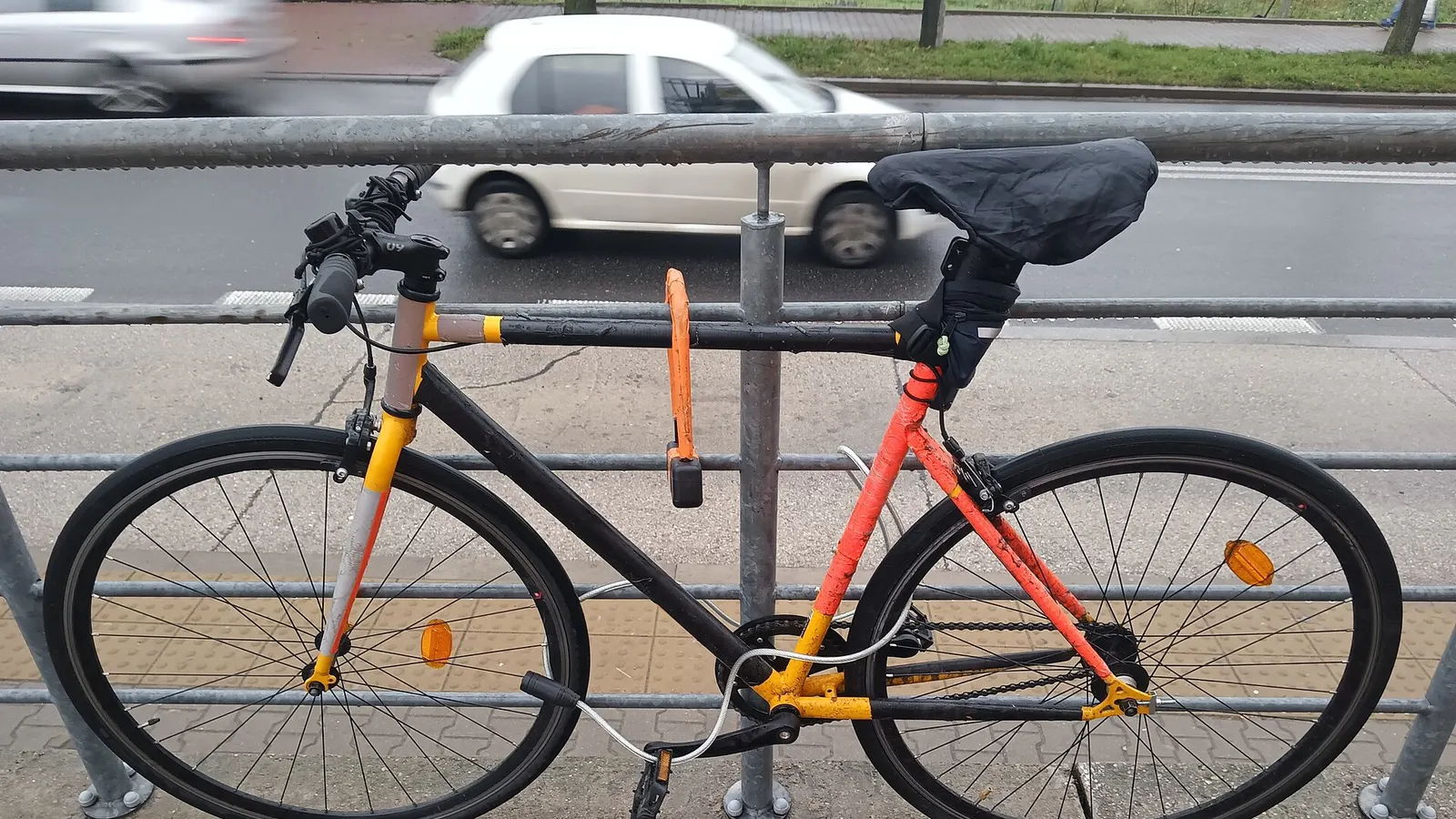
Proven security strategies using Sold Secure Gold locks, hidden GPS trackers, and Australian bicycle insurance policies.
E-bikes are high-value targets for theft. The average e-bike costs $2,000–$5,000, the battery alone is worth $500–$1,500, and a stolen e-bike is difficult to identify once the display and branding are removed. In Australia, e-bike theft has risen alongside adoption. Here is how to protect your investment with locks, GPS tracking, and insurance.
Layer 1: Physical Locks
No single lock is unbeatable, but the right combination makes your bike a harder target than the one next to it. Use two different lock types — thieves carry tools for one lock style, rarely two.
U-Locks (D-Locks)
The strongest portable option. A hardened steel shackle resists bolt cutters and leverage attacks. Lock through the frame and rear wheel to an immovable object.
Recommended:
- Kryptonite New York Standard — 16 mm hardened steel, double deadbolt, Sold Secure Gold
- Abus Granit X-Plus 540 — 13 mm parabolic shackle, Sold Secure Gold
- OnGuard Brute STD — 16.8 mm shackle, affordable alternative
Limitations: U-locks protect only what they loop through. The front wheel, seat, and accessories remain vulnerable.
Chain Locks
Heavier but more versatile — a chain wraps around odd-shaped frames, cargo racks, and multiple attachment points.
Recommended:
- Kryptonite New York Chain 1210 — 12 mm six-sided links, 100 cm length
- Abus CityChain 1010 — 9 mm hardened steel, lighter option for commuters
Cable Locks
Cables are a deterrent only — a pair of cable cutters defeats them in seconds. Use a cable as a secondary lock to secure the front wheel to the U-lock, never as your only lock.
Folding Locks
A compromise between U-lock rigidity and cable flexibility. Lighter than chains, harder to cut than cables. The Abus Bordo Granit XPlus 6500 is the benchmark, but folding locks are generally weaker than a good U-lock.
Lock Strategy
The Sheldon Brown method (modified for e-bikes):
- Primary U-lock: through the rear wheel inside the rear triangle and around the fixed object. This secures both the frame and rear wheel with one lock.
- Secondary cable or chain: loop through the front wheel and back to the U-lock or fixed object.
- Lock the battery: most e-bike batteries have a key lock. Always remove the key and engage the battery lock when parked. If the battery is removable, take it with you for stops longer than a few minutes.
Where to Lock
- Solid, immovable objects: bike hoops bolted to concrete, steel poles cemented into the ground, permanent railings
- Avoid: wooden posts (saw through in minutes), sign poles (lift the bike over the top), chain-link fences (cut the fence)
- Position: lock in well-lit, high-traffic areas. Thieves avoid witnesses.
Layer 2: GPS Tracking
A lock deters theft. A GPS tracker helps you recover the bike if the lock fails.
Hidden GPS Trackers
Trackers that fit inside the frame, seat tube, or handlebar are invisible to thieves.
Options for Australian riders:
- Apple AirTag: the cheapest option ($49). Not true GPS — uses the Apple Find My network (Bluetooth crowd-sourced location). Works well in urban areas with many iPhones nearby. Less reliable in rural areas. Battery lasts about a year. Fits inside the seat tube or behind a water bottle mount.
- Samsung SmartTag2: the Android equivalent. Uses the SmartThings Find network. Same crowd-sourced limitations.
- Invoxia GPS Tracker: true GPS with cellular connectivity. More accurate than AirTags in low-traffic areas. Subscription required (~$50/year). Battery lasts 1–3 weeks depending on tracking frequency.
- Tile Pro: Bluetooth-based, similar to AirTag. The Tile network is smaller than Apple's, so urban-only.
Integrated GPS Systems
Some e-bike brands build GPS into the bike:
- Bosch ConnectModule: pairs with the eBike Flow app, shows real-time location, and sends theft alerts. Available on 2024+ Bosch-equipped bikes.
- VanMoof (discontinued brand) style: showed the potential of built-in tracking, but the company's closure highlights the risk of relying on a manufacturer's cloud service.
Practical Tips
- Register the tracker before you need it. Set up the app, test the location accuracy, and enable theft alerts.
- Hide the tracker where a thief would not look: inside the seat tube (wrapped in foam to prevent rattling), behind the motor cover, or zip-tied inside the frame.
- If your bike is stolen: report it to police immediately with the GPS location. Do not confront a thief yourself. Provide police with the live tracking link.
Layer 3: Insurance
Locks and GPS reduce your risk, but insurance transfers it. A stolen or crashed e-bike without insurance is a total loss.
Types of E-Bike Insurance in Australia
1. Home and Contents Insurance Your existing home insurance may cover your e-bike as a "specified item" or "portable contents." Check:
- Is there a per-item limit? Many policies cap individual items at $1,500–$2,500 — below the value of most e-bikes.
- Does the policy cover theft away from home (e.g., locked at a train station)?
- Is there an excess? A $500 excess on a $2,000 bike makes the claim barely worthwhile.
2. Specialist Bicycle Insurance Purpose-built policies for cyclists. In Australia:
- Bikesure: covers theft, accidental damage, third-party liability, and accessories. Premiums from ~$150/year for a $2,000 bike.
- Velosure: similar coverage, includes personal accident. Available for e-bikes up to $15,000.
- RACV / NRMA add-ons: some motoring clubs offer bicycle cover as an add-on to existing membership.
3. Third-Party Liability If you hit a pedestrian or damage property while riding, you could face a personal injury claim. Bicycle-specific policies often include $10–$20 million public liability. Your home insurance liability cover may also apply — check with your insurer.
What Insurers Want to See
To keep premiums low and avoid claim disputes:
- Proof of purchase: keep your receipt and serial number
- Proof of security: insurers may require a minimum lock standard (e.g., Sold Secure Gold) and evidence you used it
- Photos: photograph your bike from multiple angles, including the serial number stamped on the bottom bracket
- Registration: register your bike's serial number at a national database (e.g., PropertyVault, BikeVault)
The Cost of Doing Nothing
A quality U-lock costs $80–$120. A GPS tracker costs $49–$150. Specialist insurance costs $150–$300 per year. Total first-year cost: $280–$570.
Replacing a stolen e-bike costs $2,000–$5,000+, plus the time and stress of dealing with the loss.
The maths is straightforward: protect your bike.
Ride Safer, Carry More
Helmets, lights, locks, racks and bags for e-bike and scooter riders.
Shop Safety, Locks & Carry →