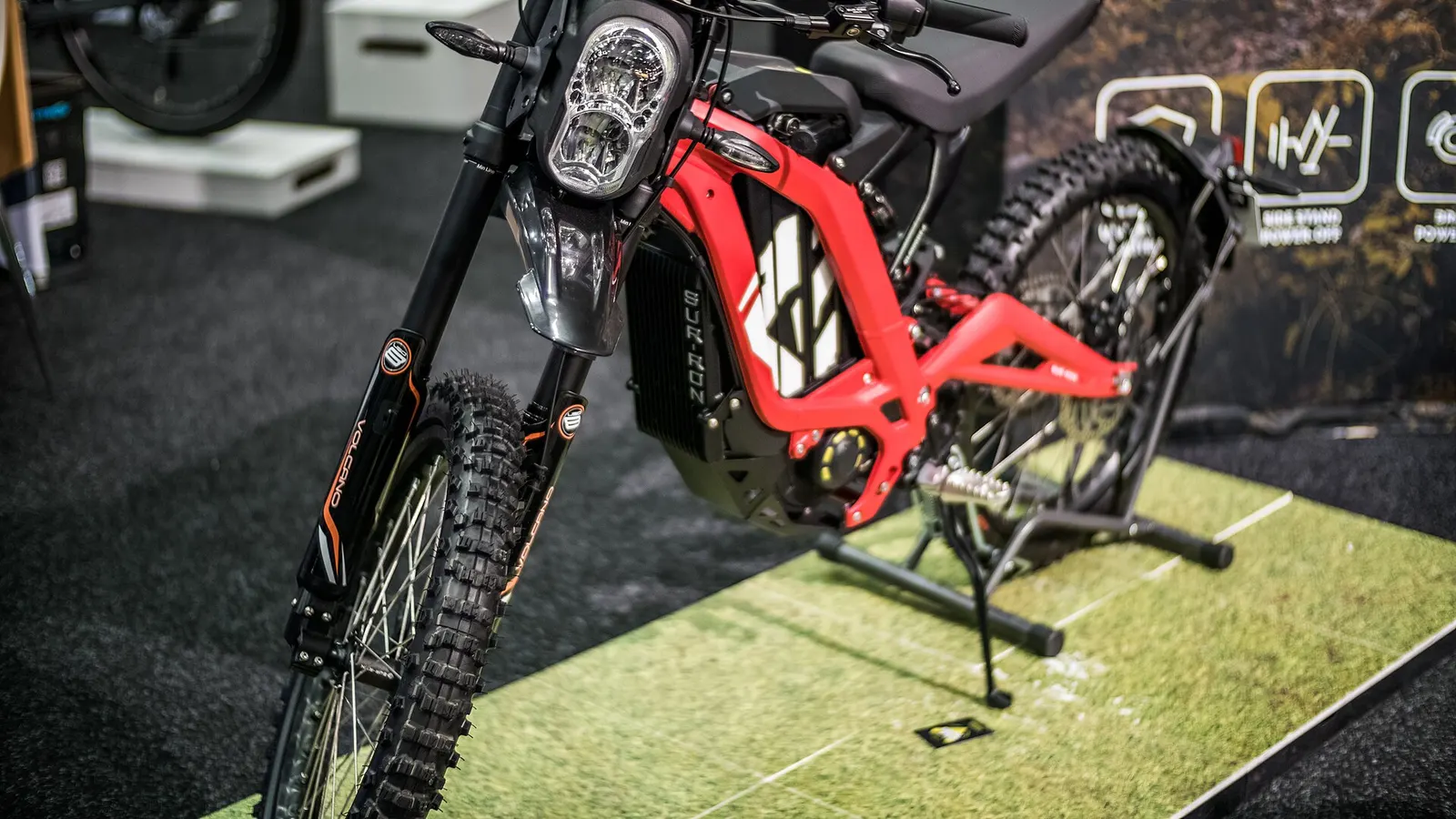
Noise, maintenance, safety, cost, and environmental impact — why families are switching from petrol to electric dirt bikes for children.
Electric vs Petrol Dirt Bikes for Kids: Which Is Better?
The debate between electric and petrol dirt bikes for children is one Australian families increasingly face. Electric models have improved dramatically, but petrol bikes still dominate at the competitive level. This comparison covers the practical differences: noise, maintenance, safety, cost, and environmental impact.
Noise
This is often the deciding factor for suburban and semi-rural families.
Electric: Near-silent at low speeds. At full throttle, you hear tyre noise, chain noise, and a faint motor whine. A conversation at normal volume is possible while a child rides 10 metres away. Neighbours are unlikely to notice, let alone complain.
Petrol: Loud. Even a small 50cc two-stroke produces 80-95 decibels — equivalent to a lawnmower or louder. Four-stroke engines are quieter but still substantial. Riding in a suburban backyard will attract attention. Many properties in residential areas effectively rule out regular petrol dirt bike use due to noise complaints and local council regulations.
Verdict: Electric wins decisively. If you live on a standard suburban or semi-rural block, electric may be your only practical option for regular riding.
Maintenance
Electric dirt bikes require:
- Battery charging after each ride
- Chain or belt tension check monthly
- Tyre pressure check weekly
- Brake pad inspection every few months
- Bolt tightness check before each ride
- Battery replacement every 2-5 years depending on usage
Petrol dirt bikes require:
- Fuel (premix for two-strokes, straight unleaded for four-strokes)
- Oil changes (every 5-15 hours for four-strokes; premix for two-strokes)
- Air filter cleaning after every dusty ride
- Spark plug replacement periodically
- Carburettor tuning, especially in varying temperatures
- Coolant checks on liquid-cooled models
- Chain lubrication and adjustment
- Valve clearance checks on four-strokes
- Top-end rebuilds on two-strokes (every 50-100 hours of aggressive riding)
- All the same tyre, brake, and bolt checks as electric
Verdict: Electric is dramatically lower maintenance. A parent with no mechanical experience can maintain an electric dirt bike with basic tools. A petrol bike, especially a two-stroke, demands ongoing mechanical attention or regular trips to a dealer.
Safety
Burns
Electric: No hot exhaust pipe. No engine heat to speak of. This eliminates the most common injury mechanism for young riders on petrol bikes.
Petrol: The exhaust pipe on a two-stroke dirt bike reaches temperatures that cause instant, serious burns. Exhaust guards help but do not eliminate the risk. Even with guards, the engine itself radiates significant heat.
Power Delivery
Electric: Smooth, linear torque from zero. No clutch (on most youth models). No sudden power surges. Parents can limit the maximum power electronically.
Petrol: Two-strokes have a "powerband" — a sudden surge of power at certain RPM ranges that can catch inexperienced riders off guard. Four-strokes are smoother but still less predictable than electric motors. Clutch operation adds complexity for young riders.
Fumes
Electric: Zero exhaust emissions. Safe to ride in enclosed areas (though ventilation is still sensible for battery charging).
Petrol: Exhaust fumes, particularly from two-strokes, contain carbon monoxide and unburned hydrocarbons. Not a concern outdoors but relevant if riding in or near sheds or enclosed spaces.
Weight
Electric: Youth electric dirt bikes tend to be lighter than their petrol equivalents at the same performance level. The KTM SX-E 5 weighs around 40 kg, compared to 42-45 kg for equivalent petrol models. Lighter bikes are easier for children to pick up after a fall and less likely to cause injury in a crash.
Petrol: Generally heavier due to the engine, fuel tank, exhaust system, and cooling system.
Verdict: Electric is safer across every metric. The absence of a hot exhaust pipe alone makes a compelling case for young and beginner riders.
Cost
Purchase Price
Entry-level youth electric dirt bikes in Australia:
- Budget models: $300-$800 AUD
- Mid-range (Oset, Torrot): $1,500-$4,000 AUD
- Premium (KTM SX-E 3, SX-E 5): $7,000-$9,000 AUD
Entry-level youth petrol dirt bikes:
- Chinese imports (generic 50cc): $500-$1,500 AUD
- Brand-name (Yamaha PW50, KTM 50 SX): $2,500-$6,000 AUD
- Competition (KTM 65 SX, Yamaha YZ65): $6,000-$8,000 AUD
At the budget end, petrol and electric are comparable. At the premium end, the KTM SX-E 5 costs slightly more than its petrol equivalent, the KTM 50 SX.
Running Costs
Electric: Electricity for charging costs cents per ride. No fuel, no oil, no filters, no spark plugs. Battery replacement every few years is the main ongoing cost ($200-$800 AUD depending on the model).
Petrol: Fuel costs are modest (small tanks, short rides), but oil, filters, spark plugs, and periodic rebuilds add up. Budget $200-$500 AUD per year for a regularly ridden petrol bike, more for competition use.
Resale Value
Both electric and petrol bikes hold value reasonably well in Australia. Brand-name bikes (KTM, Yamaha, GASGAS, Stacyc) resell better than unbranded imports. Electric bikes from established brands are increasingly popular on the secondhand market.
Verdict: Electric is cheaper to run by a significant margin. Purchase prices are comparable. Over a 3-year ownership period, the total cost of ownership favours electric.
Environmental Impact
Electric: Zero direct emissions during use. The environmental impact comes from electricity generation (which varies by state — Tasmania is mostly hydro, Victoria is more coal/gas) and battery manufacturing/disposal. Lithium-ion batteries should be recycled through programs like B-cycle rather than sent to landfill.
Petrol: Direct emissions of CO2, carbon monoxide, and hydrocarbons during every ride. Two-stroke engines are particularly polluting, burning oil as part of the fuel mixture. Fuel spills during refuelling are another minor concern.
Verdict: Electric is cleaner in use. The full lifecycle comparison depends on the electricity source, but for most Australian households — especially those with rooftop solar — electric comes out well ahead.
Where Petrol Still Wins
Despite the advantages of electric, petrol bikes retain some strengths:
- Ride time: A petrol tank refills in seconds. An electric battery takes hours to charge. For a full day of riding, petrol is more practical unless you carry spare batteries.
- Competition infrastructure: Junior motocross competitions in Australia are still predominantly petrol-powered. The KTM SX-E 5 is approved for some events, but the broader competition ecosystem is petrol-based.
- Top-end performance for older juniors: Above the 65cc equivalent class, electric options are limited. Teenagers racing at a competitive level currently have few electric choices.
- Availability of mechanics: Every motorcycle shop in Australia can service a petrol dirt bike. Electric bike specialists are less common, particularly in regional areas.
The Recommendation
For most Australian families introducing a child to dirt bike riding, electric is the better choice. It is safer, quieter, cheaper to maintain, and more practical for suburban and semi-rural properties. The technology has reached the point where the riding experience is excellent, and brands like KTM, GASGAS, and Husqvarna bring genuine competition-grade engineering to the electric platform.
Petrol makes more sense for families with an existing motocross background, access to tracks and mechanics, and children who are progressing toward competitive racing where petrol classes dominate.
The two are not mutually exclusive. Many families start with electric and transition to petrol when the child outgrows the available electric models or enters competitive racing. The skills are directly transferable — throttle control, braking, body position, and line selection are the same regardless of what powers the rear wheel.
Ready for the Kids?
Browse electric balance bikes, dirt bikes, go-karts and trikes for young riders.
Shop Kids & Off-Road EVs →