Portability, range, learning curve, safety, and cost — comparing EUCs and e-scooters for Australian commuters.
If you are thinking about a compact electric ride for getting around town, two options come up again and again: the electric scooter and the electric unicycle (EUC). They solve the same problem in very different ways. A scooter feels familiar to anyone who has ridden a kick scooter. An EUC is a single wheel you balance on, controlled by leaning, and it has a devoted following. This guide compares the two across the factors that matter most: portability, learning curve, range, safety and cost.
How They Work
An electric scooter has two wheels, a deck to stand on, a stem with handlebars, a throttle and brakes. You stand upright, hold the bars, and the scooter stays stable largely by itself because of its geometry.
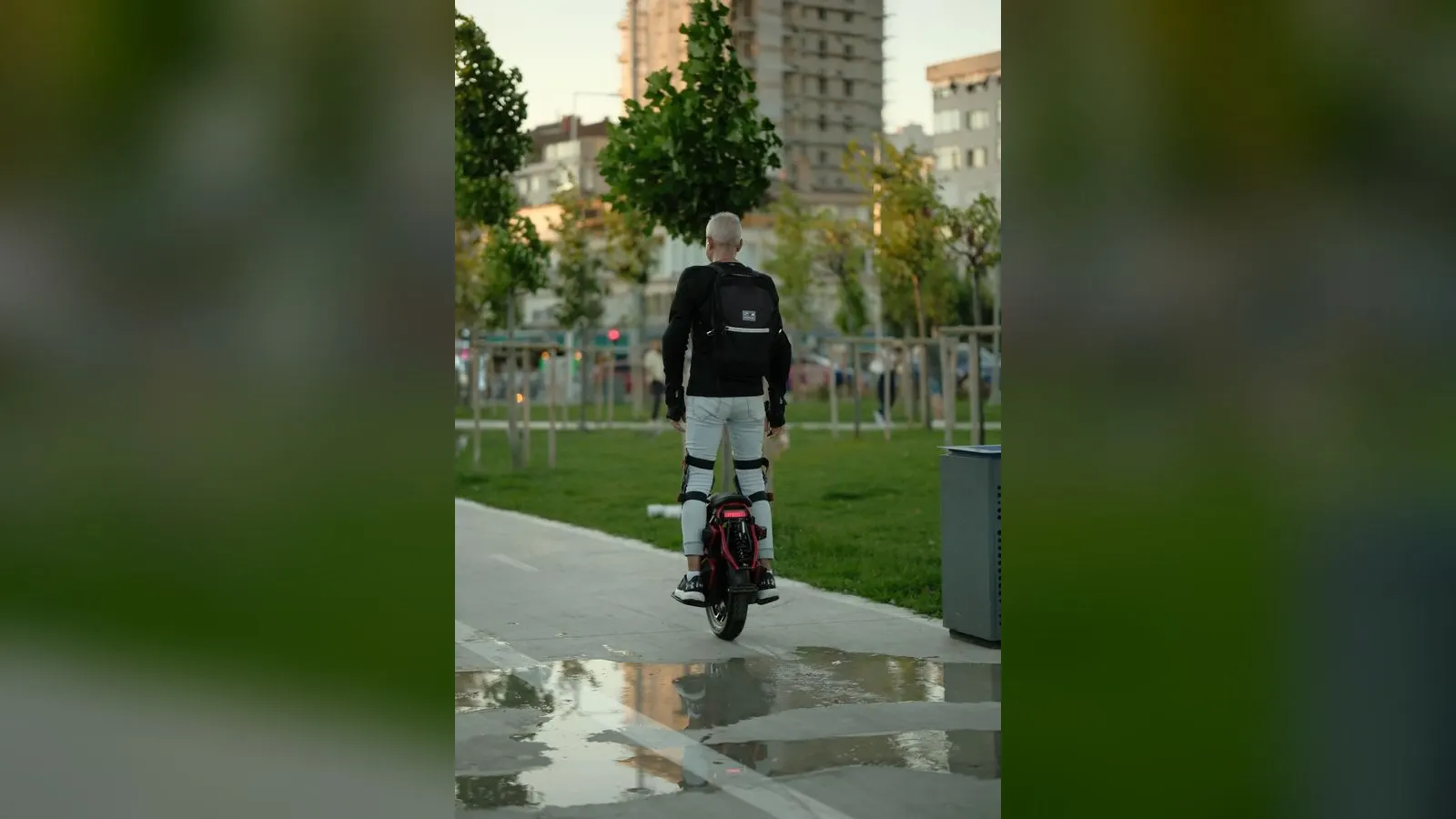
An electric unicycle is a single wheel with a motor inside, a pair of pedals on either side, and sensors that keep the wheel balanced beneath you. You lean forward to accelerate, lean back to slow down, and shift your weight to steer. There are no handlebars on most models, and your legs do the steering and absorb the bumps.
Portability
- Scooters: Most fold at the stem. You can roll them folded in some cases, carry them onto trains and store them under a desk. Weight varies a lot between models, so check the specifications of the one you are considering.
- EUCs: Many have a trolley handle and small wheels so you can wheel them along like a suitcase. They tend to be compact with no handlebars to fold. However, some larger models are heavy for their size, and carrying one up stairs can be tiring.
For multi-modal commuting, both can work well. Think about your daily routine: how many stairs, how much carrying, and where you will keep it at your destination. Whichever you choose, try lifting it before you buy.
Learning Curve
This is the biggest difference between the two.
- Scooters: Most people are riding in minutes. The skills are intuitive, and you can step off easily at any time.
- EUCs: Learning takes real time and practice. Many riders spend several sessions getting comfortable with mounting, balancing and dismounting, and it is common to practise somewhere flat and quiet with a support such as a wall or a friend. Confidence builds quickly once it clicks, but expect a few wobbles on the way.
If you want to be useful on day one, a scooter is the easier choice. If you enjoy a skill-based challenge, an EUC rewards persistence. See our beginner's guide to electric unicycles for tips on getting started.
Range and Performance
Range depends on battery capacity, rider weight, speed, terrain, wind and temperature. Rather than comparing headline numbers, compare like for like using the manufacturer's stated specifications and then allow a generous safety margin, as real-world range is usually less than claimed.
- Scooters are available in a broad spread of battery sizes, from short-hop commuter models to long-range models.
- EUCs can also be found with a wide range of capacities, and some models are favoured by riders who want to cover longer distances. Our long-range EUC touring guide covers planning for those rides.
Speed also varies. Remember that Australian laws for scooters and similar devices set speed and power limits in most states, so a fast model may not be legal on public paths and roads. Always check your state road authority.
Ride Comfort and Terrain
- Scooters have a fixed deck, and comfort depends on tyre size, suspension and the road surface. Small wheels transmit cracks and bumps, so larger pneumatic tyres or suspension help on rougher footpaths.
- EUCs use your knees and ankles as suspension. A single large wheel rolls over many obstacles smoothly, and some riders find an EUC more comfortable on rougher surfaces once they have the technique. Wide tyres and good shock absorption add to this.
Safety
Both vehicles carry real risks, and neither is a toy. Falls can cause serious injuries, so the right gear matters.
- Helmet: A properly fitted helmet is essential for both. Rules on helmet use vary by state.
- Protective gear: Wrist guards, knee pads and gloves are strongly recommended, especially for beginners. EUC riders often wear more extensive protection because a fall can happen quickly.
- Braking: Scooters have physical brakes you control with your hands. EUCs brake by leaning back and relying on the motor, which is a different skill and one that needs practice. Battery or motor faults can be more critical on a EUC, as the wheel relies on power to stay upright.
- Stability at low speed: Scooters are stable when slow or stopped. EUCs need movement to stay balanced.
- Visibility: Both are small and easy to miss. Fit lights, wear reflective clothing and ride defensively.
- Pedestrian safety: Be considerate on shared paths, keep speed down around people and give way as required.
If you are unsure which is safer for you personally, the honest answer is that the one you have mastered and ride within your limits is safer. A scooter suits most beginners well; an EUC suits riders willing to commit to learning.
Cost Considerations
Prices for both range widely. Rather than quoting figures, here is how to think about them.
- Purchase price: Compare the models you are considering on our site and consider what comes included.
- Safety gear: Budget for a helmet and pads on top of the vehicle.
- Wear items: Scooters have tyres, brake pads and discs to replace. EUCs have tyres, pedals and sometimes shells and bumpers that wear or get scuffed.
- Repairs and parts: Check that parts and support are available in Australia before you buy.
- Battery: All lithium batteries lose capacity over time. Factor in a replacement eventually.
- Practice time: An EUC has a hidden cost in time spent learning.
Legal Status
The law is not always clear for EUCs. In many states, rules for personal mobility devices cover both scooters and similar devices, but specific definitions, speed limits, power limits and permitted locations differ. Some states treat EUCs under the same rules as e-scooters, while others may restrict them. Check your state road authority or local council before riding in public, and do not assume that a rule for scooters automatically applies to a unicycle.
Which Should You Choose?
Choose a scooter if:
- You want to ride confidently from the first day.
- You value stability at low speeds and in stop-start traffic.
- You prefer handlebars and hand brakes.
- Others in your household will also ride it.
Choose an EUC if:
- You enjoy learning new skills and are patient with practice.
- Compact size and a trolley-style carry matter to you.
- You want to travel with your hands free.
- You are comfortable with the extra protective gear and the risk of a learning phase.
Browse Related Categories
Explore our Electric Scooters range or the Electric Unicycles category to compare models side by side. You may also want to browse Scooter Batteries and Scooter & Skate Parts for replacement parts and accessories once you have chosen.
Ready to Balance?
See electric unicycles and hoverboards for beginners and experienced riders.
Shop Self-Balancing EVs →