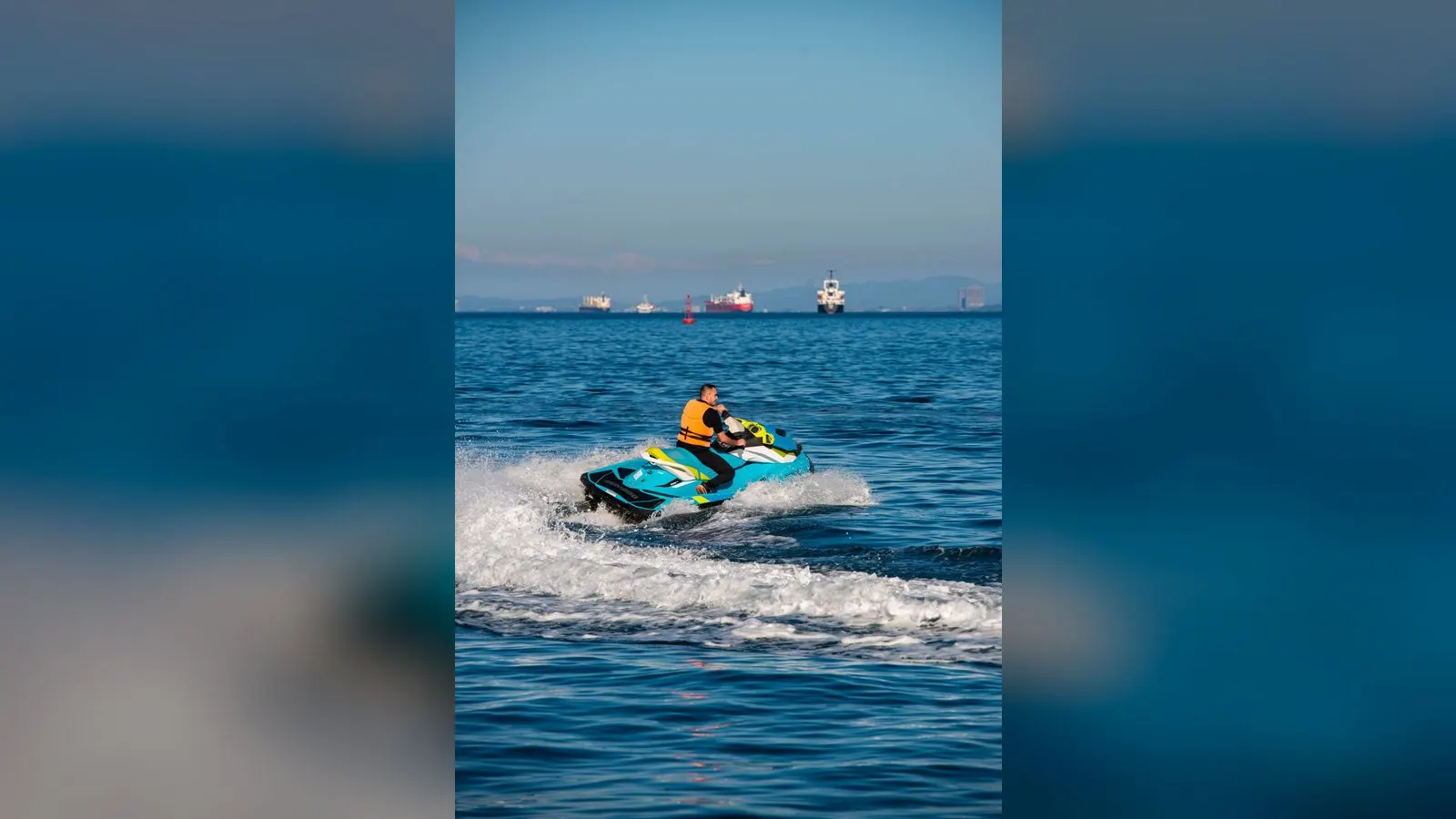
Boating licences, vessel registration, marine park rules, and noise restrictions for electric jet skis, eFoils, and jetboards.
Electric jet skis, eFoils, electric surfboards and jetboards are changing how Australians enjoy the water. They are quiet, produce no exhaust emissions on the water, and are often easier to maintain than petrol equivalents. But electric does not mean unregulated. In Australia, powered watercraft sit under state and territory marine laws, and many of the same rules that apply to petrol jet skis and boats also apply to electric ones. This guide covers the general picture: licences, vessel registration, marine rules and where to find the official answer for your state. It is general information only, not legal advice.
Why Marine Law Applies
Most Australian marine regulation is designed around the idea of a "vessel" or "powered vessel", usually without regard to the fuel source. A craft with an electric motor that carries a person across the water is often treated like any other powered craft. The details vary, but common features include:
- Licence requirements for operators.
- Registration of the vessel.
- Equipment requirements, such as lifejackets.
- Rules of the water, including speed limits, exclusion zones and right of way.
- Penalties for breaches.
Because different states and territories regulate waterways, the answer depends on where you plan to ride. Interstate travel with your craft means checking the rules in the destination state.
Boating and Personal Watercraft Licences
In most states and territories, operating a powered vessel above a certain size or power, or operating a personal watercraft such as a jet ski, requires a licence. Commonly:
- A general boat licence may be required to drive a motorised vessel above a certain power or speed.
- A personal watercraft (PWC) licence or endorsement is often required to ride a jet ski, and may require a course or test.
- Age limits apply. Many places set minimum ages for riding alone or operating certain craft, and may require supervision for young riders.
- Learner or restricted licences may apply in some places.
- Recognition between states: Some licences are recognised interstate, but check conditions.
Whether a specific electric craft is classed as a personal watercraft, a boat or something else depends on how the law defines it. Electric surfboards and eFoils sit in a grey area in some places. Do not assume that because a craft has no petrol engine, a licence is not needed. Confirm with the marine authority.
Vessel Registration
Powered recreational vessels are commonly required to be registered, and many states require personal watercraft to be registered individually. Key points:
- Registration and display: Registered vessels typically need to display their registration numbers or markings as specified.
- Fees and renewal: Registration usually involves fees and periodic renewals. Check with your state's authority.
- Whether it applies to your craft: Smaller or lower-powered craft may be exempt in some states, while others do not exempt them. Do not assume.
- Buying second-hand: Check that registration can be transferred and that the craft is not subject to outstanding issues.
- Proof of ownership and compliance: Keep paperwork handy.
Safety Equipment and Rules on the Water
Typical requirements include:
- Lifejackets: Often compulsory to wear on personal watercraft and some other craft, or to carry on board. The required type can depend on the waterway and conditions. Choose a lifejacket that is appropriate for the activity and meets Australian standards.
- Kill switch or lanyard: Many personal watercraft must have a working engine cut-off lanyard attached to the rider.
- Speed limits and zones: Speed limits apply in many waterways, harbours and near swimmers, moorings and shorelines. Some areas ban powered craft altogether.
- Distance from shore, people and other vessels: Rules often specify minimum distances from swimmers, jetties and other boats.
- Right of way: The rules of navigation apply, including giving way to sailing vessels and others as required.
- Time restrictions: Personal watercraft are often restricted to daylight hours.
- Alcohol and drugs: Limits typically apply to boating, and penalties can be severe. Do not ride after drinking.
- Marine park and environmental rules: Sensitive areas such as marine reserves and wildlife habitats may be off limits to powered craft.
- Noise rules: Electric craft are quiet, but other local rules on behaviour, wake and proximity still apply.
Specific Notes for Different Craft
Electric Jet Skis
Electric jet skis are usually treated as personal watercraft. Expect licence and registration rules to apply like petrol versions. Check the maximum power ratings and speeds, and what your state requires.
eFoils and Electric Surfboards
These are newer, and some regulators have been updating their approach. They may be treated as powered vessels, personal watercraft or in some cases under separate rules. Because they involve a rider standing on a board, check specifically how the marine authority classifies them. Safety equipment such as a lifejacket and helmet are strongly advised, particularly because of the propeller or jet unit and the risk of falling.
Electric Jetboards
Jetboards and similar craft are likewise subject to the state definitions. Treat them as regulated unless your authority says otherwise.
Practical Steps Before You Ride
- Identify the waterway. Is it ocean, river, lake, dam or an inland waterway? Different authorities manage different areas.
- Contact the state marine authority. Ask directly how your specific craft is classified, and what licence, registration and equipment is required.
- Check local restrictions. Councils, port authorities, park managers and water authorities may set additional rules, especially on reservoirs, lakes and marine parks.
- Get any required licence. Complete the training, test or course.
- Register the craft if required, and display the registration correctly.
- Equip yourself. Lifejacket, helmet, appropriate wetsuit and any other items required.
- Check the weather and conditions. Wind, tides, currents and visibility affect safety.
- Tell someone where you are going and when you expect to return.
- Know the craft. Read the manual, and understand battery, charging and storage requirements.
- Consider insurance. Check whether your policy covers on-water use and liability.
Battery and Transport Considerations
- Charging: Charge lithium batteries carefully, on hard surfaces, away from flammable materials, and never unattended.
- Storage: Keep batteries cool and dry.
- Transport: Moving large lithium batteries by road, rail or air may be subject to dangerous goods rules. Airlines have strict limits. Check before travelling.
- Salt water: After riding in the sea, rinse the craft with fresh water as per the manual and dry thoroughly.
- Environmental responsibility: Take care not to spill or leak substances, and follow guidance on disposal.
Staying Up to Date
Rules on newer craft are evolving, and regulators are reviewing how to handle them. Revisit the official source before each new season, before buying, and before taking your craft to a different state. When in doubt, ask in writing and keep a copy of the response.
Browse Related Categories
Explore our Electric Water Sports range, including Electric Surfboards, Electric Jetboards and Electric Jet Skis & Personal Watercraft. Before buying, check each product page and confirm the licensing, registration and equipment rules with your state marine authority.
Ready for the Water?
Explore electric jet skis, eFoils and electric surfboards, or contact us for availability and delivery.
Shop Electric Water Sports →