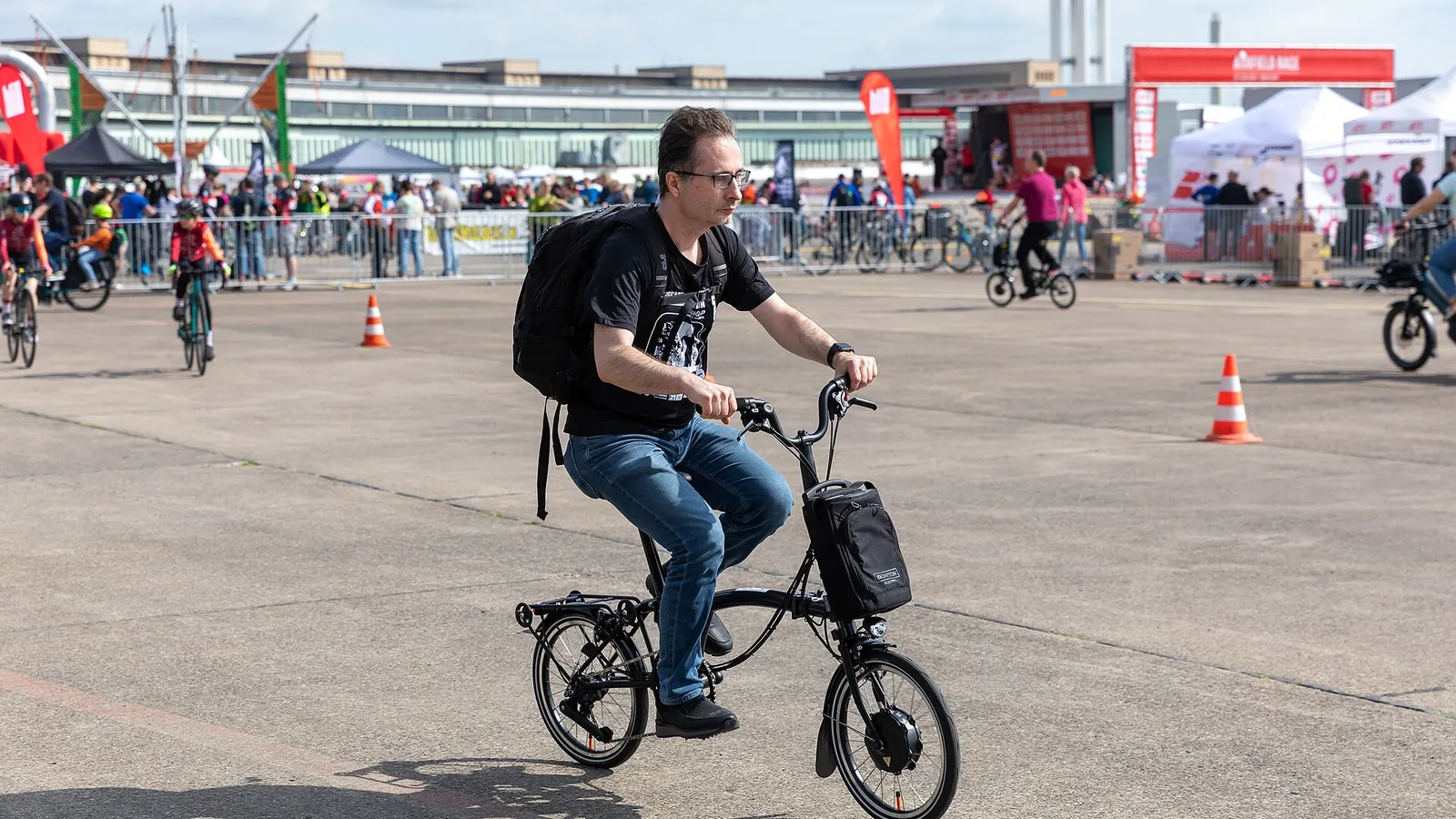
How folding electric bikes solve the last-mile problem for Australian train commuters — fold times, weight limits, wheel sizes, and public transport rules.
Folding e-bikes solve the two biggest problems urban commuters face: parking and the last mile. A full-size e-bike will not fit under your office desk, into a train carriage during peak hour, or inside a studio apartment hallway. A folding e-bike does all three.
Why Folding E-Bikes Suit Australian Commuters
Australian cities are spread out. Most commutes involve a car, train, or bus for the long leg and an awkward walk or second bus for the last 2–5 km. A folding e-bike replaces that last leg with a fast, effortless ride — and folds down for the parts in between.
Common scenarios:
- Train commuters: ride to the station, fold, carry onto the train (no bike permit needed for folded bikes on most Australian rail networks), unfold at the destination station, ride to the office.
- Apartment dwellers: fold and store inside the apartment — no balcony rust, no strata disputes about bikes in common areas.
- Car-boot commuters: drive to a park-and-ride or the office fringe, unfold and ride the last few kilometres to skip CBD traffic and parking costs.
- Multi-modal travellers: fold and fit in an Uber boot, ferry luggage rack, or airport transfer.
Key Specs to Consider
Folded Size
This is the spec that matters most. Measure the space you need to fit it into: your train footwell, your car boot, your apartment cupboard.
- Compact folders (e.g., Brompton Electric, Tern Vektron): fold to roughly 60 × 40 × 60 cm. Fit under a desk or in an overhead luggage rack.
- Standard folders (e.g., most 20" wheel folders): fold to roughly 85 × 65 × 40 cm. Fit in a car boot easily, tight in a train during peak hour.
Weight
Folding e-bikes weigh 15–25 kg depending on battery size and frame material. You will carry this weight up stairs, across platforms, and into buildings. Below 20 kg is manageable for most riders; above 22 kg gets tiring quickly.
The battery is often the heaviest single component. Some models have a removable battery that you can carry separately to split the load.
Wheel Size
- 16" wheels (Brompton): smallest fold, least stable at speed, best for very short last-mile rides (under 3 km)
- 20" wheels (most folders): the sweet spot — stable enough for 10 km commutes, compact enough to fold practically
- 24" wheels (some hybrids): rides like a full-size bike but the fold is large and heavy
Battery and Range
Folding e-bikes typically carry smaller batteries (250–500 Wh) to keep weight down. For a 5–10 km last-mile commute on flat ground, 250 Wh is adequate. For longer rides or hilly routes, look for 400 Wh+.
Folding Mechanism
- Mid-fold (hinge): the frame folds in half at a central hinge. Quick and simple — most folders use this.
- Triangle fold (Brompton-style): the rear wheel tucks under the frame. Produces the smallest package but takes practice to master.
- Magnet/latch systems: look for strong latches that lock firmly. A wobbly fold point affects ride quality and safety.
Test the fold in person if you can. Time yourself — a good folder goes from riding to carried in under 20 seconds.
Riding a Folding E-Bike
Small wheels mean different handling:
- Acceleration is faster (less rotational inertia) — folding e-bikes feel nippy off the line.
- Stability at speed is lower than full-size wheels. Above 25 km/h, small wheels amplify bumps and steering inputs.
- Pothole sensitivity is higher. A 20" wheel drops further into a pothole than a 700c wheel. Run wider tyres (1.75" or 2.0") and keep pressure up to compensate.
- Suspension is rare on folders. Fat tyres are your primary comfort system.
For daily commuting at 20–25 km/h on sealed roads, a 20" folding e-bike rides perfectly well. It is not a mountain bike and not a road racer — it is a practical city tool.
Train and Public Transport Rules
Victoria (Metro Trains Melbourne): folded bikes are allowed at all times without a permit. Unfolded bikes are prohibited during peak hours (7–9 AM and 4–6 PM weekdays) on most lines. A folding e-bike lets you ride any train, any time.
NSW (Sydney Trains): similar rules — folded bikes travel free. Full-size bikes need a permit and are banned during peak.
Queensland (TransLink): folded bikes travel free on all services. Full-size bikes allowed on trains outside peak.
Check your local transit authority for current rules, but the universal pattern is: folded = always welcome.
What to Look For When Buying
- Fold time under 20 seconds in real conditions (not just the manufacturer video)
- Weight under 20 kg if you will carry it on stairs
- 20" wheels for the best balance of ride quality and fold size
- Battery 350 Wh+ for commutes over 5 km
- Integrated lights — you will ride in traffic, and bolt-on lights are easy to forget
- Rear rack compatible — even a small rack lets you strap a bag instead of wearing a backpack
- Sturdy kickstand — a folding bike without a kickstand falls over constantly when parked
Bottom Line
A folding e-bike is the best solution for multi-modal Australian commuters who need to combine cycling with trains, buses, or cars. The trade-off is ride quality: small wheels and no suspension mean a firmer, less stable ride than a full-size commuter e-bike. If your last mile is under 10 km on sealed roads, the convenience of fold-and-carry outweighs the comfort compromise.
Ready to Find Your E-Bike?
Browse commuter, cargo, folding and mountain e-bikes from Brunswick, Victoria, with express freight across Australia.
Shop E-Bikes →