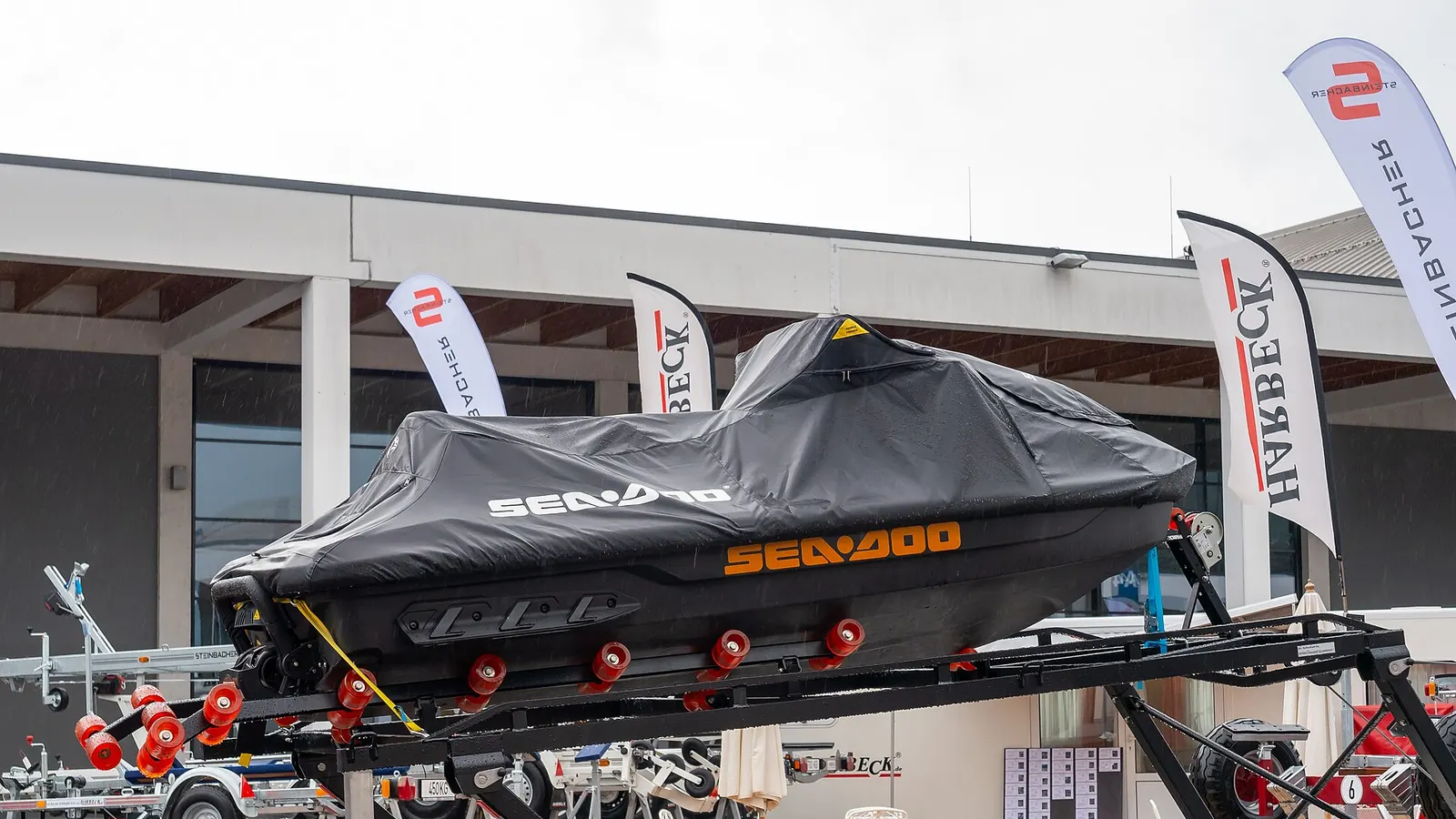
BRP's first electric PWC — pricing, expected specs, Australian availability, and what zero-emission jet skiing means for waterways.
Electric propulsion is moving from roads and trails onto the water, and one of the names that has drawn the most attention is the Sea-Doo Rise. Sea-Doo is the personal watercraft brand from BRP, a company long associated with jet skis, and the Rise is part of its move toward electric power on the water. This article looks at what is generally known about the idea behind an electric jet ski, why riders are curious about it and what to think about before you buy any electric watercraft. We have deliberately kept specific numbers out of this guide, because figures for new models can change and should always come from the manufacturer.
What Is the Sea-Doo Rise?
Sea-Doo is BRP's personal watercraft brand, and the Rise is positioned as an electric member of that range. The broad appeal is simple: it is a battery-powered, zero-emission way to get out on the water, with a quieter ride than a traditional petrol jet ski.
We are not going to quote specifications, prices, release dates or performance claims here. These details depend on the market, the model year and the version, and they can change. For the current facts, check the product page on this site and BRP's official information before making any decision.
Why Electric Watercraft Are Interesting
Petrol jet skis have been the standard for decades, but electric power changes the experience in a few ways.
- Zero tailpipe emissions. An electric motor produces no exhaust while you ride, which is attractive near sensitive waterways, marinas and shorelines.
- A quieter ride. Electric motors are far quieter than combustion engines. Less noise can mean a more relaxed day on the water, and fewer complaints from people on shore.
- Smooth delivery. Electric motors tend to deliver power in a smooth, immediate way, rather than building through a rev range.
- Simpler mechanical layout. Electric drivetrains generally have fewer moving parts than combustion engines, which may mean different maintenance needs. Check the manufacturer for details on service.
- No fuel handling. No petrol to carry, spill or store, though you will need somewhere to charge.
Questions to Ask Before You Buy
An electric jet ski is a major purchase, and a few honest questions will help you decide whether it suits you.
How will I use it? Short, playful sessions around a lake, river or sheltered bay suit electric power very well. Long open-water trips need careful thought about battery life and getting back to shore.
How will I charge it? Think about where the craft will be stored and whether you can charge it safely. Marina or home charging arrangements, electrical requirements and charging time all matter. Ask the dealer or manufacturer what is needed.
What about range and run time? Run time varies with rider weight, water conditions, speed and the specific model. Do not rely on rough guesses. Get official guidance and plan conservative rides.
Where can I ride it? Rules for personal watercraft in Australia vary by state and waterway. Some areas restrict where PWC may operate, set speed limits or require particular licences. Electric propulsion does not exempt you from these rules.
Licences and Rules in Australia
In Australia, personal watercraft are regulated by state and territory marine authorities. Typically, riders need a recreational marine licence or a PWC endorsement, must follow local boating rules, and must carry safety equipment such as a life jacket. Registration may also apply.
The exact requirements differ between states, and may differ by vessel power or type, so check with your local marine authority before you buy. Do not assume that an electric craft has lighter requirements than a petrol one.
Safety on the Water
Whatever kind of craft you ride, safety comes first.
- Wear an approved life jacket at all times.
- Check weather and water conditions before launching.
- Tell someone where you are going and when you expect to be back.
- Keep a safe distance from swimmers, boats and wildlife.
- Know your battery level and head back with a comfortable margin.
- Learn how to re-board after a fall, and use the kill-switch lanyard as the manufacturer recommends.
Water, batteries and electricity need respect. Follow the manufacturer's instructions about charging, storage, cleaning and handling, and use only approved chargers and accessories.
Maintenance and Care
Saltwater is hard on equipment. Even for an electric craft, general good practice includes:
- Rinsing the craft with fresh water after use in salt water, where the manufacturer recommends it.
- Storing it in a dry, ventilated place out of direct sun.
- Following battery storage guidance, particularly if you will leave it unused for a while.
- Having it serviced by an authorised dealer.
Ask about warranty terms, service availability in your area and what is covered.
How It Compares With Other Electric Water Options
Electric power on the water is not limited to full-size jet skis. There is a growing range of electric water products, from small personal craft and hydrofoils to e-surfboards and similar toys. They differ in size, cost, skill requirement and how you use them. A full-size craft like the Rise suits riders who want a proper personal watercraft experience; smaller options may suit those who want something portable and easy to store. Look at how you would use the craft, how much space you have and what you are comfortable paying.
Is It Right for You?
An electric jet ski suits you if:
- You value a quieter, cleaner day on the water.
- You mostly ride in sheltered or defined areas.
- You have a reliable way to charge and store it.
- You are comfortable meeting your state's licence and safety requirements.
It may not be the best fit if you want maximum range for long open-water trips with no charging, or if you do not have convenient charging access.
Check Current Details Before You Decide
Because electric watercraft are evolving quickly, always confirm the following with official sources:
- Current specifications and availability
- Pricing and warranty
- Charging requirements
- Local licensing and rules
Visit the product page on this site, and check BRP's official Sea-Doo information for the most up-to-date details.
Explore More Electric Water Sports
Browse everything in Electric Water Sports to see the current range on this site. If you have questions about a specific model, contact us and we will point you toward the right information.
Ready for the Water?
Explore electric jet skis, eFoils and electric surfboards, or contact us for availability and delivery.
Shop Electric Water Sports →