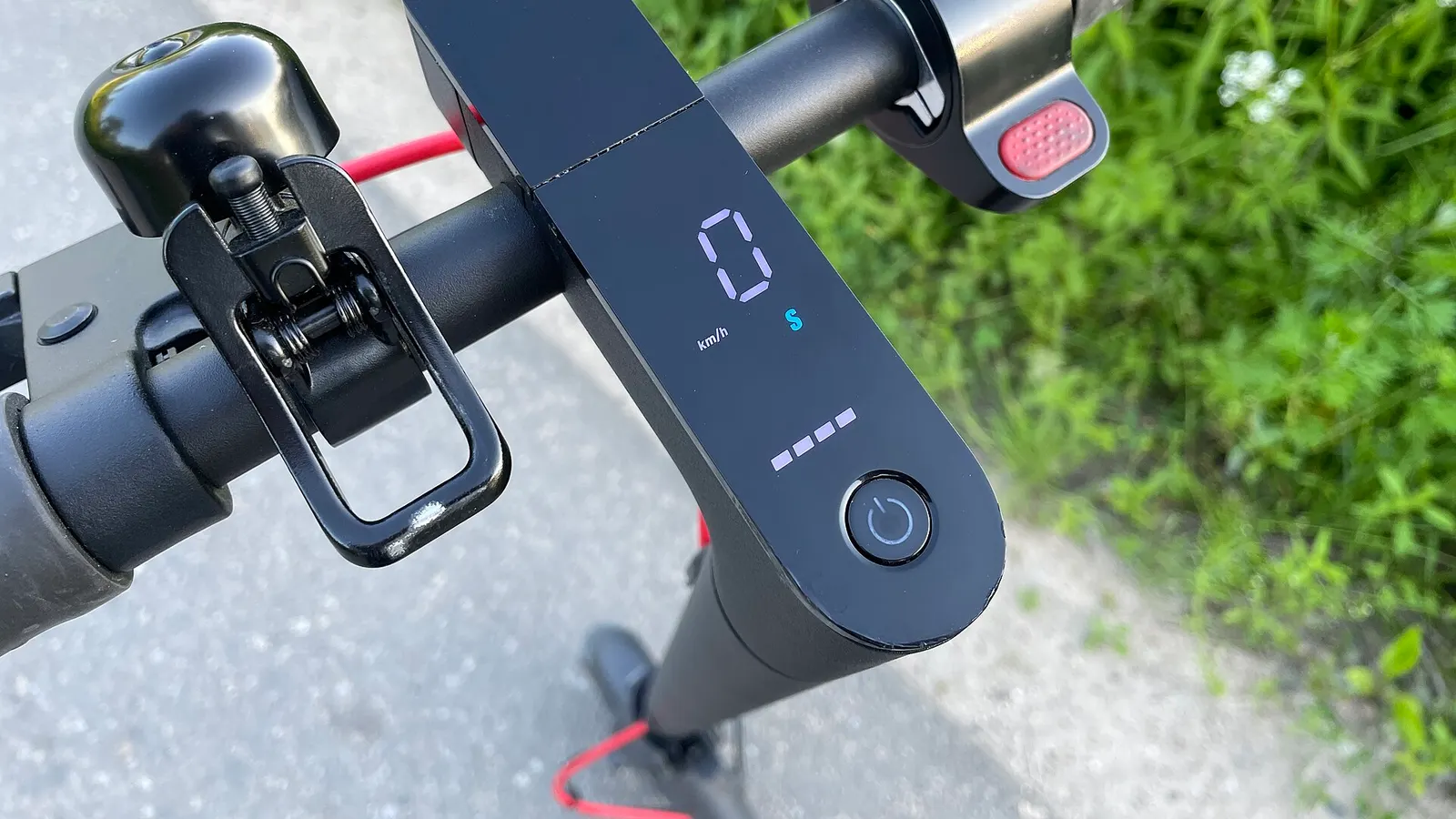
Top commuter e-scooters ranked by range, weight, fold time, and price — plus Australian legal status and where you can ride.
Best Electric Scooters for Commuting in Australia (2026 Buying Guide)
Electric scooters have gone from novelty to genuine commuter transport in Australian cities. With petrol prices, parking costs, and traffic congestion all climbing, more Australians are looking at e-scooters as a practical daily ride. This guide covers what to look for in a commuter e-scooter, where you legally stand, and the features that separate a reliable daily driver from a weekend toy.
The Legal Landscape in Australia
Before spending a cent, you need to understand the rules in your state or territory. E-scooter regulations vary significantly across Australia, and what is legal in Brisbane may get you fined in Sydney.
Queensland has been the most progressive, legalising personal e-scooters on footpaths, shared paths, and roads with speed limits up to 50 km/h. Scooters are capped at 25 km/h and must weigh under 25 kg.
Victoria permits e-scooters on shared paths, bike lanes, and roads up to 50 km/h zones, with a 25 km/h speed cap. Riders must be 16 or older.
New South Wales legalised personal e-scooter use in mid-2025, with restrictions on footpath riding in busy areas and a 25 km/h speed limit.
South Australia, ACT, and Tasmania all have varying trial programs or legalised use with conditions.
Western Australia and the Northern Territory have their own frameworks. Always check your local council and state transport authority for the latest rules, as these regulations continue to evolve.
The common thread: most jurisdictions cap speed at 25 km/h and require a helmet. Some mandate lights and a bell. These limits directly affect which scooter you should buy.
Key Features for Daily Commuting
A scooter that works for weekend fun runs may fall short as a daily commuter. Here is what matters when you are riding five days a week, rain or shine.
Range
Your scooter needs to comfortably cover your round trip on a single charge, with at least 20 percent buffer. Manufacturer range claims are measured under ideal conditions (flat ground, light rider, moderate temperature, no wind). In real-world Australian conditions, expect 60 to 75 percent of the advertised range.
For most urban commutes of 10 to 15 km each way, a scooter rated at 40 to 50 km range will serve you well. If your commute is shorter (under 5 km each way), you can get away with a 25 km rated model.
Weight and Portability
If your commute involves public transport, stairs, or carrying the scooter through an office, weight matters enormously. Commuter-friendly models typically weigh between 12 and 16 kg. Anything over 18 kg becomes a genuine burden to carry regularly.
Folding mechanism quality is equally important. A fold that takes 3 seconds and locks solidly is far better than a complicated multi-step process that wobbles when folded.
Tyre Size and Type
Larger wheels (10 inches or above) handle cracks, tram tracks, and uneven Australian footpaths far better than 8-inch wheels. Pneumatic (air-filled) tyres give a smoother ride than solid tyres, though they require occasional pressure checks and carry puncture risk.
For commuting, 10-inch pneumatic tyres are the sweet spot. If punctures concern you, tubeless pneumatic or semi-solid honeycomb tyres offer a reasonable compromise.
Braking System
Disc brakes (mechanical or hydraulic) provide the most reliable stopping power, especially in wet conditions. Electronic braking alone is not sufficient for daily commuting. Look for a scooter with at least one disc brake, ideally on the front wheel or both wheels.
Regenerative braking is a useful supplement that extends range, but it should never be your primary braking method.
Water Resistance
Australian weather is unpredictable. An IP54-rated scooter handles light rain and splashes. For genuine wet-weather commuting, look for IPX5 or higher. Riding through puddles or heavy rain without adequate water resistance will damage electronics and corrode connections.
Lights and Visibility
A front headlight, rear tail light, and brake light should be considered minimum requirements. Side lighting or reflective strips add useful visibility during dawn and dusk commutes, which are common in Australian winters.
Build Quality and Reliability
A commuter scooter needs to be reliable. Missing a day of work because your scooter is broken is not acceptable.
Look for established brands with Australian service centres or distributors. Warranty coverage matters: reputable brands offer 12 to 24 months on the frame and motor, with battery warranties of at least 12 months.
Solid stem construction (no wobble when riding), quality deck materials, and well-sealed electronics all indicate a scooter built for daily use rather than occasional rides.
What to Budget
In Australia, a reliable commuter e-scooter costs between $800 and $2,000. Below $800, you will find models that work for occasional use but lack the durability, range, or braking for daily commuting. Above $2,000, you are entering performance territory with features that most commuters do not need.
The mid-range sweet spot for most commuters sits between $1,000 and $1,500. At this price, you get adequate range (40+ km), 10-inch tyres, disc brakes, and reasonable water resistance.
Factor in ongoing costs: replacement tyres ($30 to $80 per tyre), brake pads ($15 to $30), and potentially a tube or two per year if running pneumatic tyres. These costs are trivial compared to car ownership.
What to Look For in a Commuter Scooter
When evaluating any e-scooter for commuting, run through this checklist:
- Range: At least 1.5 times your round-trip commute distance
- Speed: 25 km/h (meeting Australian legal limits)
- Weight: Under 16 kg if you carry it regularly
- Tyres: 10 inches, pneumatic or semi-solid
- Brakes: At least one disc brake
- Water resistance: IP54 minimum
- Lights: Front, rear, and brake light built in
- Fold time: Under 5 seconds
- Warranty: 12+ months on motor and battery
Accessories That Make Commuting Better
A few additions improve the daily commute significantly:
A quality helmet is legally required in most states and should be worn regardless. A bicycle helmet meeting AS/NZS 2063 is the minimum standard.
A phone mount helps with navigation without pulling your phone out of your pocket at every turn.
A scooter lock is essential if you leave it outside during work hours. A D-lock or heavy-duty cable lock rated Sold Secure Gold is a reasonable starting point.
A carry bag or strap makes hauling a folded scooter through train stations and offices more manageable.
Making the Switch
Switching from a car to an e-scooter for short commutes is one of the most practical transport decisions an Australian city dweller can make. The cost savings are substantial (more on that in our e-scooter vs car cost comparison), the environmental impact is minimal, and for commutes under 10 km, you will often arrive faster than driving and parking.
Start by riding your planned commute route on a weekend to identify any problem spots: steep hills, rough surfaces, or roads without bike lanes. Check whether your workplace has a safe place to store or charge a scooter. And familiarise yourself with your state's specific rules before your first ride.
The best commuter e-scooter is the one that reliably gets you to work every day without drama. Prioritise range, braking, and build quality over top speed and flashy features, and you will have a transport solution that pays for itself within months.
Ready to Pick Your E-Scooter?
Compare commuter and long-range electric scooters, with accessories and spares, dispatched from Brunswick, Victoria.
Shop E-Scooters →