A complete breakdown of Victorian e-scooter rules, footpath bans, speed limits, and legal private-land performance models.
Electric scooters occupy a legal grey area across most of Australia. Victoria ran a trial that has now transitioned into permanent regulations, while other states have their own rules — some permissive, some restrictive. Here is the complete picture for 2026.
Victoria: The Trial Becomes Permanent
Victoria's e-scooter trial began in early 2022 and has since moved to permanent legislation. The current rules for riding a legal e-scooter on public roads and paths in Victoria are:
- Maximum speed: 25 km/h (electronically limited)
- Maximum power: 500 W rated output
- Helmet: mandatory — must meet AS/NZS 2063
- Age: must be 16 or older
- Where you can ride: bike lanes, shared paths, roads with a speed limit of 50 km/h or less
- Where you cannot ride: footpaths, roads with speed limits above 50 km/h
- Lights: front white light and rear red light required after dark
- Bell: required
Riders must give way to pedestrians on shared paths. Riding under the influence of alcohol or drugs carries the same penalties as drink-driving.
Rental vs Private Scooters
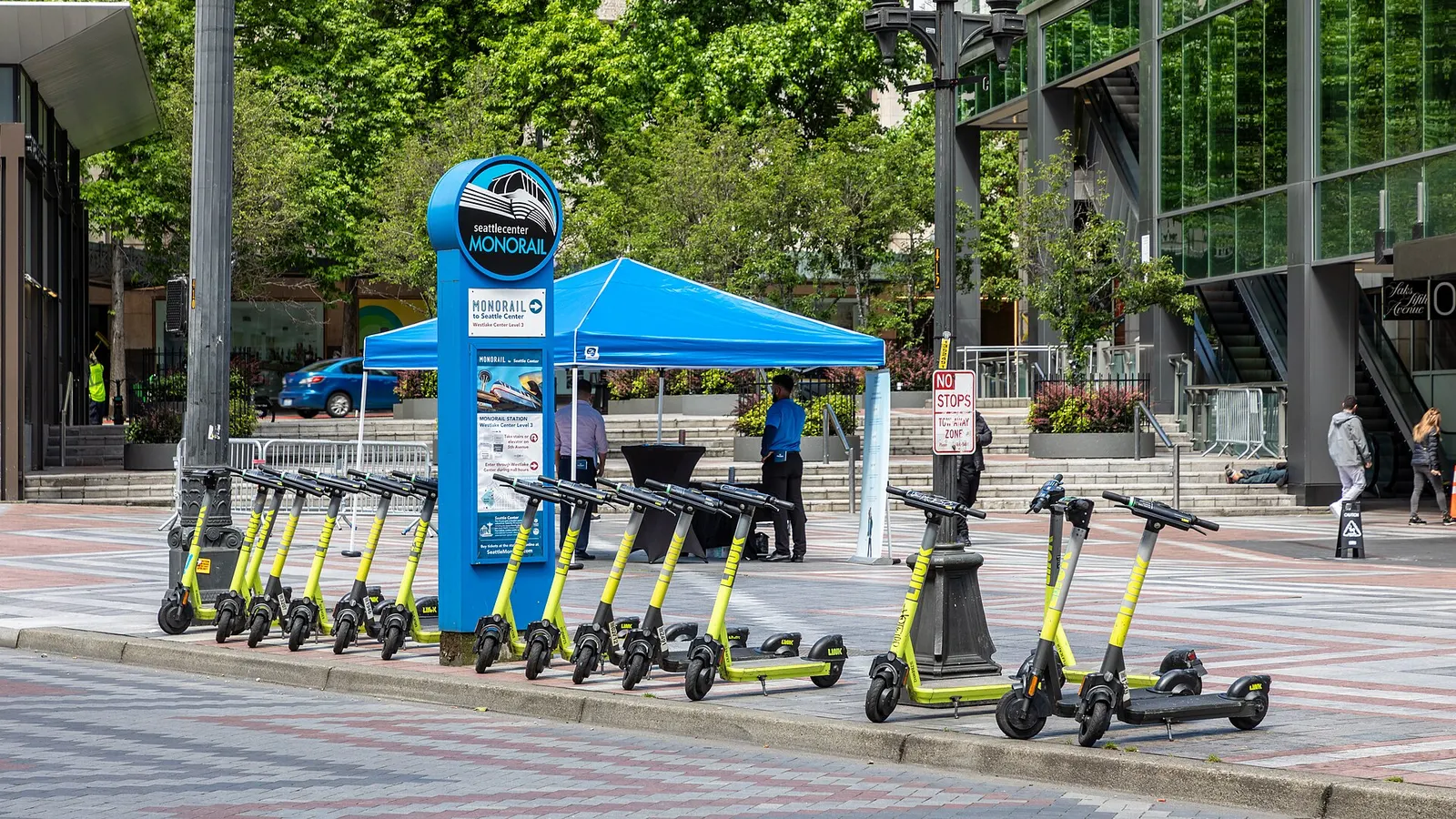
The rules above apply to both rental scooters (Lime, Neuron) and privately owned scooters — but with one critical difference. Rental scooters are geo-fenced and speed-limited by the operator to comply automatically. Private scooters must be purchased compliant or limited by the rider.
If your scooter is capable of more than 25 km/h or more than 500 W, it is not legal to ride on public roads or paths in Victoria. It is legal to ride on private property with the landowner's permission.
Other States
New South Wales
NSW legalised e-scooters for public use in 2024. The rules mirror Victoria: 25 km/h, 500 W, helmet required, no footpath riding. Riders must be 16+. E-scooters can use bike lanes and shared paths.
Queensland
Queensland was the first state to fully legalise private e-scooters. Rules: 25 km/h, helmet required, footpath riding allowed (unlike VIC and NSW), bike paths allowed, roads only where the speed limit is 50 km/h or less.
South Australia
SA permits e-scooters on roads, bike lanes, and shared paths. Speed limit 25 km/h. Helmet mandatory. No footpath riding.
Western Australia
WA permits e-scooters on shared paths and local roads up to 50 km/h zones. Speed limit 25 km/h. Helmet mandatory. Minimum age 16.
Tasmania, ACT, Northern Territory
Rules vary and are evolving. Check your local transport authority for the most current regulations before riding.
What About More Powerful Scooters?
Performance scooters — models with dual motors, 1000 W+, and top speeds of 50–80 km/h — are not legal for public road or path use anywhere in Australia. They are classified as motor vehicles and would require registration, CTP insurance, and a licence to ride on public roads. No state currently offers a registration pathway for e-scooters in this category.
These scooters are legal to ride on private property with the landowner's consent. Many owners use them on private estates, farms, and within gated communities.
Penalties for Non-Compliance
In Victoria, riding a non-compliant e-scooter (overpowered, no helmet, on a footpath) can result in fines of $185–$925. Police have been actively enforcing these rules, particularly in CBD areas and on popular shared paths like the Yarra Trail.
Buying a Legal E-Scooter
When purchasing, confirm:
- Speed limit: the scooter's maximum speed must be 25 km/h or lower (or capable of being software-limited to 25 km/h)
- Motor power: 500 W rated or under
- Lights and bell: front white, rear red, and an audible bell
- Braking: at least one independent braking system on each wheel (front and rear)
Popular compliant models include the Segway Ninebot E2 Pro, Segway Ninebot Max G2, and similar commuter-focused scooters from established brands.
Insurance
E-scooter insurance is not mandatory in any Australian state, but it is recommended. Several Australian insurers now offer personal liability and theft cover for e-scooters, typically $100–$250 per year. Your home and contents insurance may already cover theft — check your policy.
The Bottom Line
E-scooters are legal for public use in most Australian states in 2026, provided they meet the 25 km/h and 500 W limits. Performance models remain private-property only. Always check your state's current regulations, wear a helmet, and ride with lights after dark.
Ready to Pick Your E-Scooter?
Compare commuter and long-range electric scooters, with accessories and spares, dispatched from Brunswick, Victoria.
Shop E-Scooters →