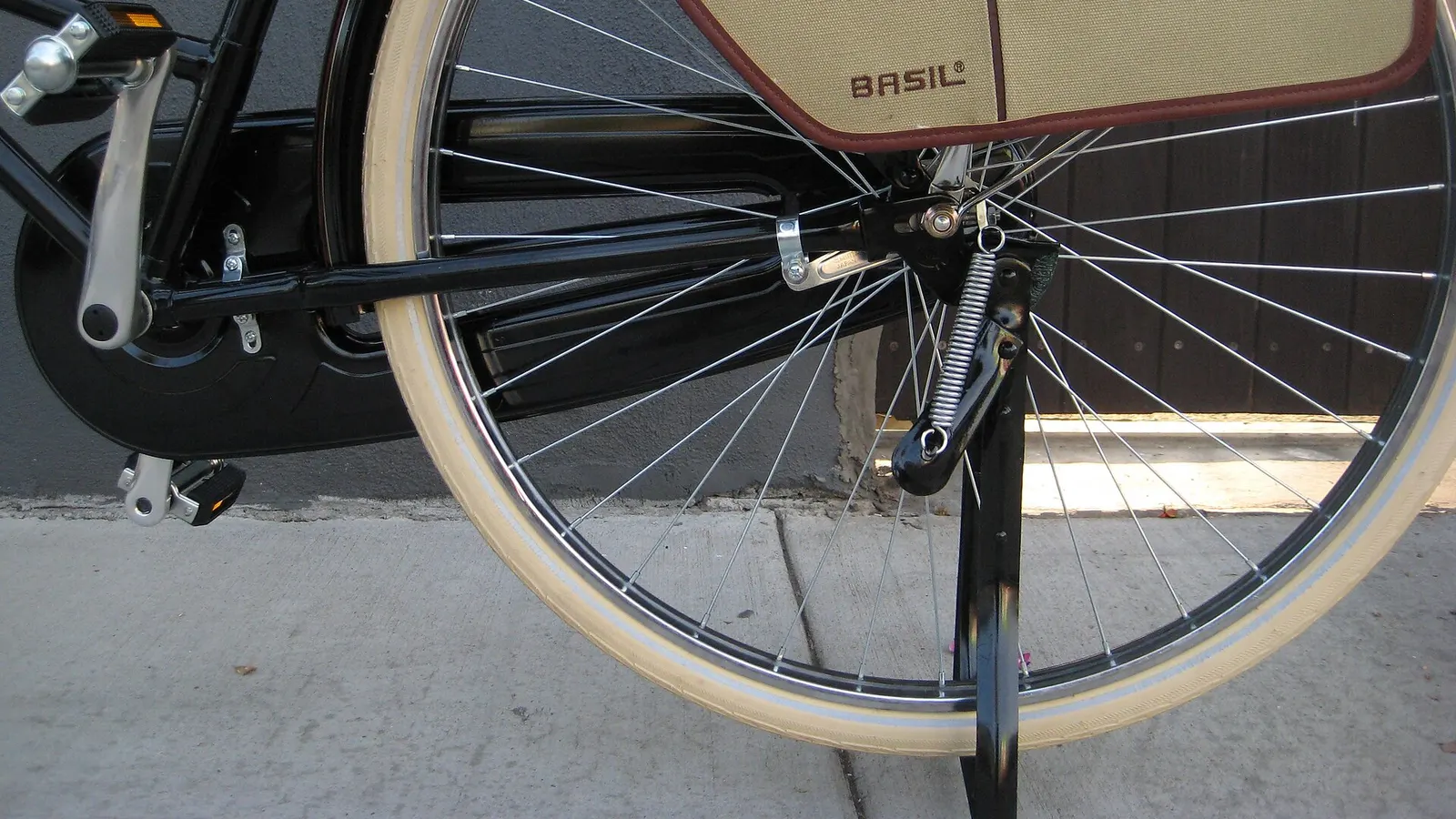
Capacity, mounting systems, waterproofing ratings, and the best pannier bags for daily e-bike commuting in Australian weather.
If you commute on an e-bike in Australia, a good pannier is one of the most useful accessories you can buy. It gets a laptop, lunch and a change of clothes off your back, keeps your centre of gravity low and, if you choose well, keeps everything dry when a southerly change rolls through. This guide covers capacity, mounting systems, waterproofing ratings and how to match a pannier to your commute.
Why Choose Panniers Over a Backpack
A backpack on a hot summer ride means a sweaty back and tired shoulders. Panniers move the weight onto the bike, where the frame and rack take the load. The benefits are straightforward:
- A cooler, more comfortable ride.
- More carrying capacity than a typical backpack.
- Better balance, because the weight is low.
- Easy on and off at the office or the train station.
They do add width to the bike, so you will need to be aware of narrow gaps and bike path chicanes.
Capacity: How Much Do You Need?
Pannier capacity is usually listed in litres. As a general guide:
- Smaller bags suit a laptop, a wallet, keys and a light jacket.
- Medium bags can hold a work change of clothes, shoes and lunch.
- Larger bags or pairs suit grocery shopping, gym gear or overnight trips.
Think about the heaviest day of your week. A pannier that is just big enough for a normal day becomes annoying when you need to carry extra. On the other hand, a very large bag half full will flop around and may touch the wheel or your heel. Choose something that fits your typical load comfortably.
Remember too that the pannier's capacity is a volume figure, not a weight limit. Weight limits are set by the bag, the rack and the bike (see our rack and basket guide). Put heavy items low and close to the frame, and keep the load balanced between left and right.
Single, Pair or Rack Bag?
- A single pannier is simple and fine for light loads, but can pull the bike to one side if heavy.
- A pair of panniers spreads the weight evenly and gives more capacity.
- A rack-top bag sits on top of the rear rack. It is narrower, so it is easier to handle in traffic, but it carries less and sits higher.
- Convertible bags that work as a pannier and a shoulder bag or backpack are handy if you carry things into the office.
Mounting Systems
How the pannier attaches matters every day, because you will clip it on and off often.
- Hook and bungee systems are common and affordable, but can be fiddly and may rattle.
- Quick-release clip systems let you attach and detach in a second. These are the most convenient for commuters.
- Rail-based or adjustable mounts let you slide the bag into the right position to avoid heel strike.
Check that the system is compatible with your rack tubing. Some bags suit thin round tubes, others need a particular profile. Also check heel clearance: if your foot clips the bag on every pedal stroke, move it back or choose a slimmer bag.
A secure mount is more than a convenience. A bag that bounces loose can jam in the wheel, so choose one with a locking or retaining mechanism and check it before each ride.
Waterproofing: What the Ratings Mean
Not all "waterproof" panniers are equal. Look for clear information from the manufacturer rather than just the word on the label.
- Water-resistant fabrics handle light drizzle but may let moisture through in sustained rain.
- Waterproof bags use sealed seams, coated fabrics or welded construction to keep water out. A roll-top closure is often a sign of a properly waterproof bag.
- Rain covers are a budget-friendly extra that fits over a non-waterproof bag.
- Ingress protection (IP) ratings, when provided, describe resistance to water and dust. A higher number means better protection. Check what a rating means before relying on it, and note that not all bags are tested.
Even the best bag can fail at its closure. Zips are usually the weak point, so roll-top closures are more reliable in heavy rain. For electronics, use an extra dry pouch inside as insurance.
Melbourne's changeable weather and Queensland's summer downpours are good reasons to treat waterproofing as a priority, not an upgrade.
Commuting Features Worth Having
- Reflective panels or trim to improve your visibility from behind.
- A rear light loop so you can clip a light onto the bag.
- Internal pockets or a laptop sleeve to stop things sliding around.
- A comfortable carry handle or shoulder strap for the walk from bike to desk.
- A reinforced base that stands up to being put down on wet ground.
Security
Panniers can be tempting to thieves, and you will often leave your bike for hours. Quick-release panniers can be taken with you. If you leave them on the bike, avoid leaving valuables inside, and lock the bike with a good lock through the frame and a wheel. See Safety, Locks & Carry for lock options.
Care and Maintenance
- Wipe bags down after wet or muddy rides.
- Let them dry fully before storing, to avoid mould and odours.
- Check mounting hooks and clips for wear.
- Re-proof or replace worn coatings when water starts to soak in.
- Keep the zips clean and lightly lubricated if they are metal.
Matching a Pannier to Your Commute
Ask yourself:
- Is my commute short and dry, or long with changeable weather?
- Do I carry a laptop or other electronics?
- Do I need to carry the bag into a building?
- Will I use it for shopping as well?
- How much can my rack and bike safely carry?
Your answers will tell you whether you need a single compact bag, a pair of fully waterproof panniers or a convertible bag.
Where to Shop
Browse Panniers & Bags for commuting bags, then check Racks & Baskets to make sure you have a compatible rack. The full range of safety and carry gear is in Safety, Locks & Carry. Not sure what suits your bike? Contact us and we will help you work it out.
Ride Safer, Carry More
Helmets, lights, locks, racks and bags for e-bike and scooter riders.
Shop Safety, Locks & Carry →