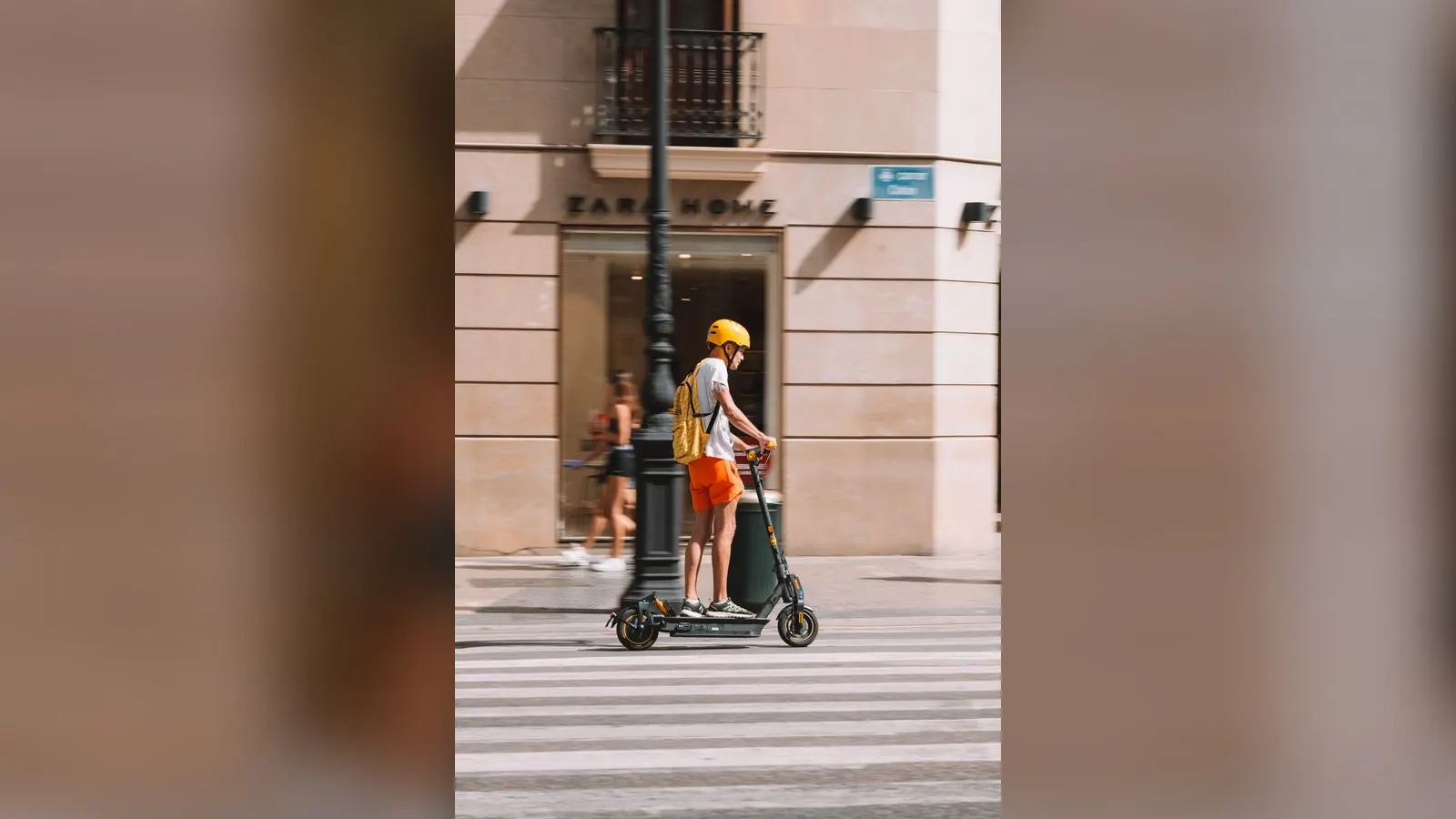
Helmets, gloves, lights, reflective vests, and wrist guards — what every e-scooter rider needs and what Australian law requires.
Safety Gear for E-Scooter Riders: Helmets, Gloves, Lights, and Reflective Gear
Electric scooter injuries are real and often preventable. Small wheels, a high centre of gravity, and speeds up to 25 km/h mean that when things go wrong on an e-scooter, they go wrong fast. The right safety gear reduces your injury risk significantly. In Australia, some of this gear is legally required. The rest is strongly recommended by anyone who has come off a scooter at speed.
Helmets: Legally Required and Non-Negotiable
In every Australian state and territory that permits personal e-scooters, wearing a helmet is mandatory. Getting caught without one means a fine, but more importantly, head injuries are the leading cause of serious e-scooter injuries in hospital data.
Which Helmet Standard Applies
In Australia, bicycle helmets must comply with AS/NZS 2063. This is the minimum legal standard for e-scooter use in all jurisdictions. Helmets meeting this standard will have a sticker or label showing compliance.
For riders wanting more protection, helmets certified to EN 1078 (European standard), CPSC (US standard), or NTA 8776 (the Dutch speed pedelec standard designed for higher-speed cycling) all offer comparable or superior protection to AS/NZS 2063.
Types of Helmet
Standard bicycle helmets meet the legal requirement and are the lightest, most ventilated option. They protect the top and sides of the head but leave the face and chin exposed. For speeds up to 25 km/h on smooth surfaces, a quality bicycle helmet is adequate.
MIPS-equipped helmets include a low-friction layer between the shell and liner that reduces rotational forces during an angled impact. MIPS adds $30 to $60 to the price and is worth the investment. Rotational brain injuries are a significant concern in e-scooter crashes where riders often hit the ground at an angle.
Full-face helmets protect the chin and jaw, which are commonly injured in forward falls from scooters. If you ride at higher speeds, on roads, or in traffic, a full-face helmet offers meaningfully better protection. Mountain bike full-face helmets are lighter and more ventilated than motorcycle helmets while still providing chin coverage.
Helmet Fit
A helmet that does not fit properly offers reduced protection. It should sit level on your head (not tilted back), with the front edge about two finger widths above your eyebrows. The straps should form a V shape around each ear, and you should not be able to fit more than one finger between the chin strap and your chin.
Replace your helmet after any significant impact, even if there is no visible damage. The foam liner deforms on impact and will not provide the same protection a second time. Also replace helmets every five years, as the materials degrade with UV exposure and age.
Gloves
Your hands are the first thing to hit the ground in most e-scooter falls. Road rash on the palms is painful and slow to heal. Gloves are not legally required for e-scooter riders in Australia, but they should be.
What to Look For
Palm protection is the priority. Look for gloves with reinforced or padded palms, ideally with a material that resists abrasion (synthetic leather, Clarino, or Kevlar-reinforced fabric).
Knuckle protection adds another layer of safety for road riding. Hard-shell knuckle guards are found on mountain bike and motorcycle-style gloves.
Grip and dexterity matter for controlling the throttle and brakes. Overly bulky gloves reduce fine motor control. Cycling gloves or lightweight motorcycle gloves strike the right balance.
Touchscreen compatibility is useful if you use a phone mount for navigation. Many modern cycling gloves include conductive fingertips.
For Australian summer riding, short-finger cycling gloves with padded palms are a practical minimum. In winter or for higher-risk riding, full-finger gloves with knuckle protection provide better coverage.
Budget $30 to $80 for a quality pair. They will last one to two years of regular use.
Lights and Visibility
Most e-scooter commuting involves riding during dawn, dusk, or after dark for at least part of the year. In Australian winter, a standard 9-to-5 commute means riding in low light in both directions.
Legal Requirements
Every Australian jurisdiction that permits e-scooters requires a white front light and a red rear light when riding at night or in low visibility. Some states also require a bell or audible warning device and rear reflectors.
Built-In vs Add-On Lights
Most e-scooters come with built-in front and rear lights. These are often inadequate for serious commuting. Typical built-in lights produce 30 to 50 lumens, which is enough to be seen but not enough to see the road ahead clearly.
Front light: Add a handlebar-mounted light producing at least 300 lumens for urban riding. For unlit paths or roads, 600 to 800 lumens is better. Rechargeable USB lights from reputable cycling brands cost $40 to $100 and last several hours per charge.
Rear light: A flashing rear light is far more visible to drivers than a steady one. Add a clip-on rear light with at least 50 lumens and a flash mode. These cost $20 to $50.
Side visibility: E-scooters present a very narrow profile from the side, making them nearly invisible to drivers at intersections. Spoke reflectors, wheel lights, or reflective tape on the deck sides significantly improve side visibility.
Reflective Gear
Reflective elements on your clothing or bag make you visible in headlights from much further away than lights alone.
Reflective vests are cheap (under $15) and effective. Wear one over your regular clothing for night rides.
Reflective backpack covers serve double duty: visibility and waterproofing.
Reflective ankle bands are highly effective because the pedalling motion of a cyclist (or leg movement of a scooter rider stepping on and off) creates a distinctive moving pattern that drivers recognise as a person.
Reflective tape applied to your helmet, scooter stem, and deck edges costs a few dollars and adds always-on visibility.
Eye Protection
At 25 km/h, insects, dust, rain, and wind are all significant eye hazards. Clear or lightly tinted glasses protect your eyes without affecting vision in low light.
Look for cycling-specific glasses with wraparound coverage and anti-fog coating. Prescription glasses alone do not provide adequate coverage from the sides. Fit-over safety glasses are available for those who wear prescription lenses.
In Australian conditions, UV-protective lenses (UV400 or AS/NZS 1067) serve double duty as sun protection during daytime rides.
Knee and Elbow Pads
For casual riding, knee and elbow pads are optional. For riders who are new to e-scooters, ride in traffic, or ride at higher speeds, they are worth considering.
Modern cycling and skating pads are light, breathable, and can be worn under loose clothing. Soft-shell pads (such as D3O material) harden on impact while remaining flexible during normal movement. They are more comfortable than hard-shell pads for daily commuting.
Budget $40 to $80 per pair for quality pads. They are particularly worthwhile during your first few months of riding, when falls are most likely as you develop scooter handling skills.
High-Visibility Clothing
Beyond reflective gear, bright clothing makes you more visible during the day. Fluorescent yellow, orange, and green are the most visible colours in daylight conditions.
A fluorescent rain jacket serves multiple purposes: visibility, weather protection, and it packs into a small bag for dry days. Several Australian cycling brands make lightweight high-visibility jackets for $50 to $120.
What a Basic Safety Kit Costs
Here is what a practical safety setup costs for an Australian e-scooter commuter:
| Item | Price Range (AUD) |
|---|---|
| AS/NZS 2063 helmet (MIPS) | $80 - $180 |
| Padded cycling gloves | $30 - $80 |
| Front light (300+ lumens) | $40 - $100 |
| Rear light (flashing) | $20 - $50 |
| Reflective vest or bands | $10 - $30 |
| Clear cycling glasses | $20 - $60 |
| Total | $200 - $500 |
That is a modest investment to protect yourself during every ride. Compare it to a single emergency room visit or a day off work from road rash, and the value is obvious.
A Note on Attitude
The best safety gear cannot compensate for reckless riding. Ride defensively, assume drivers have not seen you, reduce speed in wet conditions, and never ride with headphones blocking traffic sounds. Safety gear is your last line of defence, not a substitute for careful riding.
Australian roads are shared spaces. Making yourself visible, protecting your body, and riding predictably are the foundations of safe e-scooter commuting.
Ready to Pick Your E-Scooter?
Compare commuter and long-range electric scooters, with accessories and spares, dispatched from Brunswick, Victoria.
Shop E-Scooters →