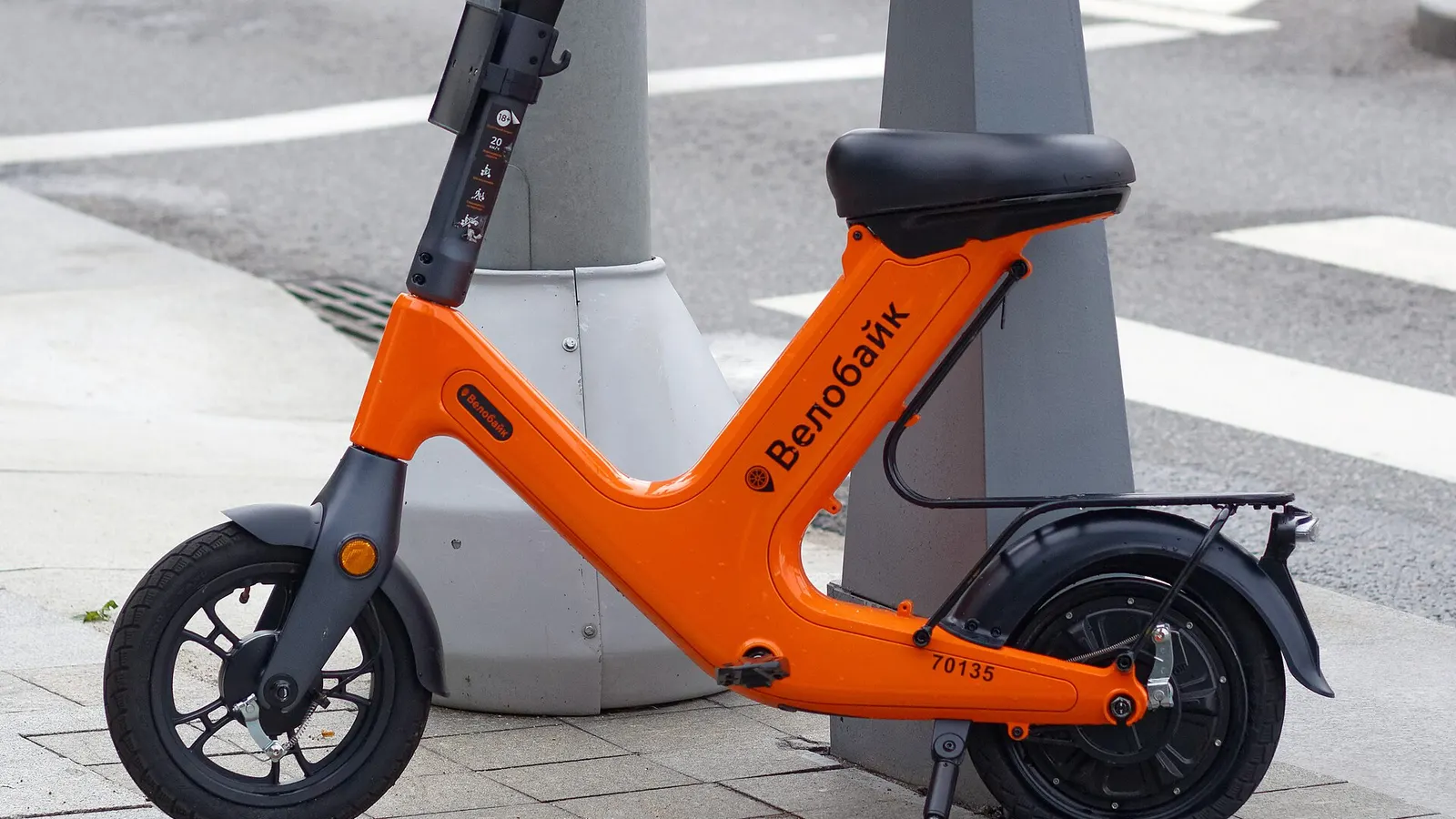
Puncture resistance vs ride comfort and grip — comparing solid, honeycomb, and air-filled tyres for electric scooters.
Solid vs Pneumatic Tyres on E-Scooters: Punctures, Grip, Ride Comfort
The tyres on your e-scooter affect ride quality, safety, range, and maintenance more than almost any other component. The choice between solid and pneumatic (air-filled) tyres is one of the first decisions you will face when buying a scooter, and there is no universally correct answer. Each type has genuine advantages and real drawbacks. This guide breaks down the differences so you can choose the right tyre for your riding conditions.
Pneumatic Tyres
Pneumatic tyres are air-filled, just like bicycle or car tyres. They come in two variations: tubed (an inner tube inside the tyre) and tubeless (the tyre seals directly to the rim).
How They Work
Air inside the tyre acts as a natural shock absorber. When the tyre hits a bump, crack, or rough surface, the air compresses and absorbs the impact before it reaches the rim, deck, and your feet and knees. This cushioning effect is fundamental to how pneumatic tyres provide a comfortable ride.
Advantages
Ride comfort is dramatically better than solid tyres. On Australian roads and footpaths — which regularly feature cracks, expansion joints, raised edges, and gravel patches — this makes a significant practical difference over any distance longer than a few hundred metres.
Grip is superior in both dry and wet conditions. A pneumatic tyre deforms slightly around surface irregularities, increasing the contact patch. On wet roads, this deformation helps channel water away from the contact area. For safety, this is the single most important tyre characteristic.
Rolling resistance is lower than solid tyres. The air-filled tyre loses less energy to deformation as it rolls, which translates directly to better range. Riders switching from solid to pneumatic tyres on the same scooter commonly report 10 to 15 percent more range.
Braking distance is shorter because of the larger contact patch and better grip. On wet surfaces, the difference is more pronounced.
Disadvantages
Punctures are the primary drawback. Australian roads carry glass, wire, thorns, and other debris that can puncture a pneumatic tyre. On tubed tyres, a puncture means stopping, removing the wheel, patching or replacing the tube, and reassembling. This is significantly harder on an e-scooter than on a bicycle due to hub motors and tight-fitting split rims.
Maintenance is ongoing. Tyre pressure needs checking weekly. Under-inflation increases puncture risk, reduces range, and wears tyres unevenly. Over-inflation reduces grip and makes the ride harsher.
Tyre changes are more complex and time-consuming than on a bicycle. Rear wheels with hub motors require disconnecting the motor cable. Many riders take their scooter to a shop for tyre changes rather than attempting it themselves.
Reducing Puncture Risk
Several strategies reduce (but do not eliminate) puncture risk on pneumatic tyres:
- Tyre sealant: Slime or similar sealant inside the tyre automatically plugs small punctures. It adds around $10 per tyre and works well for holes up to about 3 mm.
- Tyre liners: A strip of puncture-resistant material between the tyre and tube. Adds $10 to $20 per wheel and prevents most glass and thorn punctures.
- Tubeless setup: Tubeless tyres seal small punctures automatically (especially with sealant). They are also lighter and can run at lower pressures for better comfort without risking pinch flats.
- Correct pressure: Properly inflated tyres resist punctures better than soft tyres. Check pressure before every ride or at least weekly.
- Route choice: Riding on smooth, clean surfaces rather than debris-strewn gutters significantly reduces puncture frequency.
Solid Tyres
Solid tyres are made from a single piece of rubber or polyurethane. There is no air inside and no tube. They cannot puncture.
Types of Solid Tyre
Standard solid rubber: The simplest and cheapest type. Dense rubber throughout. Heavy, hard, and provides the harshest ride.
Honeycomb (semi-hollow): Solid rubber with a honeycomb or cellular internal structure. The hollow sections provide some compression, offering a ride closer to (but still noticeably harder than) pneumatic tyres. Lighter than standard solid tyres.
Gel-filled: A hollow tyre structure filled with a gel compound. Provides more cushioning than honeycomb designs and cannot leak or puncture. Heavier than honeycomb.
Advantages
Zero puncture risk. This is the primary selling point and a genuine advantage. If punctures cause you significant anxiety or inconvenience, solid tyres eliminate the problem entirely.
Zero tyre pressure maintenance. You never need to check pressure, own a pump, or worry about slow leaks.
Longevity in some conditions. Solid tyres can last longer than pneumatic tyres on smooth, clean surfaces because there is no tube to fail and the tyre itself is a thick block of material.
Disadvantages
Ride quality is significantly harsher. Every bump, crack, and rough surface transmits directly through the rigid tyre to the scooter and your body. On Australian footpaths with expansion joints every few metres, this becomes uncomfortable quickly. Over longer rides, the vibration causes fatigue in your feet, ankles, and knees.
Grip is reduced, especially in wet conditions. A solid tyre does not deform around surface irregularities the way a pneumatic tyre does, resulting in a smaller effective contact patch. On wet surfaces, this translates to longer braking distances and a higher risk of sliding.
Range is reduced by 10 to 15 percent compared to pneumatic tyres due to higher rolling resistance. The solid material absorbs more energy as it deforms against the road surface.
Fitting is difficult. Solid tyres must be stretched over the rim, which requires significant force. Many riders use hot water or lubricant to soften the tyre during fitting. Improper fitting can result in tyres that slip on the rim or wear unevenly.
Weight is higher. Solid tyres weigh more than pneumatic tyres, adding to the scooter's overall weight. More critically, this is unsprung weight at the wheels, which amplifies the harsh ride quality.
The Hybrid Options
Several alternatives attempt to combine the benefits of both tyre types.
Self-Sealing Pneumatic Tyres
These are standard pneumatic tyres factory-filled with puncture sealant. They ride like pneumatic tyres (because they are) but seal most small punctures automatically. A good middle ground for riders who want pneumatic comfort with reduced puncture worry.
Tubeless Pneumatic Tyres
Increasingly common on higher-end scooters, tubeless tyres eliminate pinch flats (the most common puncture type on e-scooters) and seal small holes when used with sealant. They can also run at slightly lower pressures for a smoother ride without the pinch flat risk.
Honeycomb Solid Tyres
The cellular structure provides more give than standard solid rubber. They are a reasonable compromise for riders who prioritise zero maintenance but find standard solid tyres unacceptable. Ride quality sits roughly halfway between pneumatic and standard solid.
Which Should You Choose
The decision depends on your priorities, riding conditions, and tolerance for maintenance.
Choose pneumatic tyres if:
- You ride more than 5 km at a time regularly
- Ride comfort matters to you
- You ride in wet conditions
- You want maximum range
- You are willing to check pressure weekly and deal with occasional punctures
- Your routes include rough surfaces, cracks, or tram tracks
Choose solid or honeycomb tyres if:
- Your rides are short (under 5 km)
- You ride exclusively on smooth, clean surfaces
- Puncture anxiety genuinely affects your willingness to ride
- You want zero tyre maintenance
- You prioritise convenience over comfort
Choose tubeless pneumatic with sealant if:
- You want the best of both worlds
- You are willing to invest in a scooter that supports tubeless tyres
- You ride in varied conditions and want maximum safety
The Australian Factor
Australian riding conditions tend to favour pneumatic tyres. Our roads and paths are often rough, with frequent repairs, cracks, and expansion joints. Summer heat softens asphalt, and winter rain makes surfaces slippery. Pneumatic tyres handle all of these conditions better than solid alternatives.
The puncture risk is real but manageable. Running sealant, checking pressure, and avoiding riding in the gutter where debris collects will prevent most punctures. Carrying a spare tube on longer rides provides a safety net.
For riders in Australia who commute daily, pneumatic or tubeless tyres are the recommended choice. The comfort, grip, and range benefits compound over every ride, and the maintenance burden is modest once you build it into your routine.
Solid tyres have their place — short urban rides on smooth footpaths, shared scooters that need to be bulletproof, or riders who genuinely cannot deal with puncture maintenance. But for most regular riders, the performance trade-offs of solid tyres outweigh the convenience benefits.
Ready to Pick Your E-Scooter?
Compare commuter and long-range electric scooters, with accessories and spares, dispatched from Brunswick, Victoria.
Shop E-Scooters →