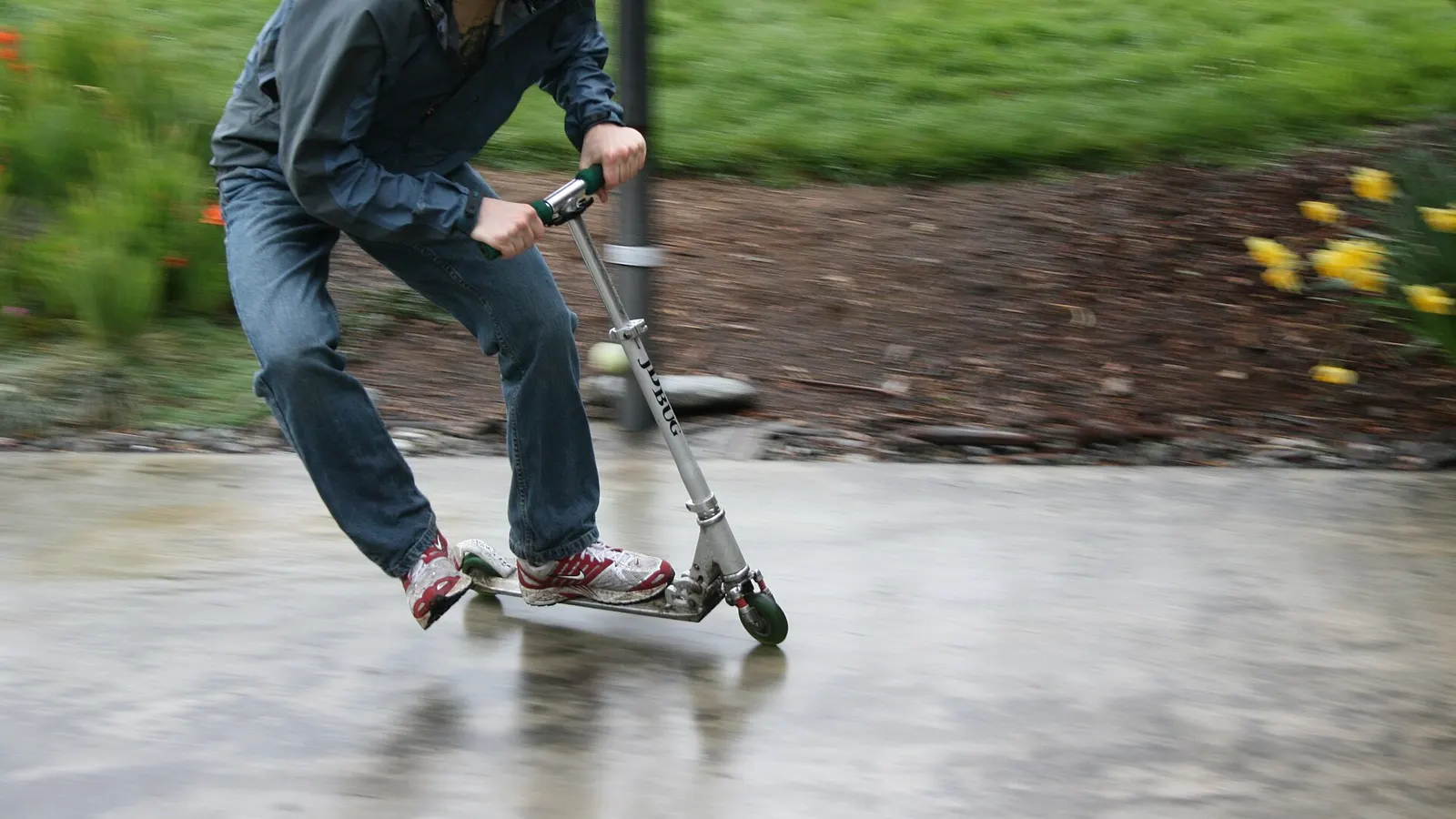
IP ratings explained, wet-weather braking technique, visibility gear, and post-ride maintenance for e-scooter riders in Australian conditions.
Rain is a fact of life for Australian commuters, from Melbourne's four-seasons-in-a-day weather to the sudden tropical downpours of Queensland and the Top End. Many riders wonder whether their electric scooter can handle it, and just as importantly whether they can. This guide explains what water-resistance ratings actually mean, how to adjust your riding when the road is wet, how to stay visible, and what to do after the ride so your scooter lasts.
Understanding IP Ratings
An IP (Ingress Protection) rating is a two-digit code. The first digit relates to dust and solids, the second to water. For scooters, the second digit is the one that matters most.
- Higher is generally better. A scooter rated at the lower end of the scale is designed to cope with splashes, while a higher rating suggests protection against jets of water.
- Ratings are tested in a lab. They describe a specific test, not every real-world situation. Riding through deep puddles, pressure-washing the scooter or leaving it out in a storm is not the same as a laboratory spray test.
- The rating usually covers the sealed electronics, not everything. Charging ports, connectors, displays and wiring joins can still be weak points, especially as seals age.
- Seals wear. A scooter that was well protected when new may be less so after a couple of years of vibration, knocks and cleaning.
Always check the manufacturer's manual for what they say about wet weather. Some brands explicitly advise against riding in rain regardless of the rating, and ignoring that advice can affect your warranty. If the manual is unclear, ask the retailer or manufacturer before you rely on it.
Before You Ride in Wet Conditions
A few minutes of preparation make a big difference.
- Check your brakes. Make sure pads and discs are in good condition and that your brake levers feel firm.
- Check your tyres. Worn tread and low pressure both reduce grip on wet surfaces. Pneumatic tyres should be inflated to the pressure range printed on the sidewall or recommended in the manual.
- Check the charging port cover. Make sure any rubber bung or cover is seated properly and not cracked or missing.
- Check your lights. Confirm the front light, tail light and brake light all work.
- Consider whether you need to ride at all. In very heavy rain, flooding or storms, public transport or waiting it out is often the smarter choice.
Braking in the Wet
Wet roads reduce traction, and braking distances increase. The main techniques are straightforward.
- Start braking earlier. Give yourself a much larger buffer than you would in the dry.
- Brake gently and progressively. Grabbing a handful of brake on a slippery surface is a quick way to skid or fall.
- Use both brakes where possible. Most scooters have a front and rear brake. Squeezing both smoothly is more stable than relying on only one.
- Reduce your speed. Slowing down is the single most effective way to stay safe on wet ground. Many riders find the legal speed limit for scooters is still too fast for slippery conditions.
- Take it easy on the throttle. Sudden acceleration on a wet surface can cause the rear wheel to slip on some scooters.
- Be aware that brakes can be slow to bite. Water on discs and pads can briefly reduce braking power. Lightly dragging the brakes for a moment can help clear moisture.
Regenerative or electronic braking should not be your only stopping method in rain. Mechanical brakes are your reliable backup.
Know Your Slippery Surfaces
Not all wet surfaces are equal. Be especially careful with:
- Painted road markings, tram tracks and metal covers. These can be very slippery when wet. Cross tram tracks at as close to a right angle as safely possible.
- Wet leaves and mud. Common on shared paths in autumn and after storms.
- Oil and diesel residue. The first rain after a dry spell can lift oil from the road, creating a slick film.
- Smooth tiles and polished concrete. Typical outside shopping centres and train stations.
- Puddles. You cannot see potholes, kerbs or debris beneath them, and deep water can reach connectors and electronics. Go around when you can, and if you must go through, slow right down.
- Steep descents. Brake before the slope, not on it.
Visibility in Rain
Rain reduces visibility for everyone, including drivers who may already struggle to see a rider on a small vehicle.
- Use your lights, day and night. A front light and a rear light make you easier to spot in grey, wet conditions.
- Wear bright or reflective clothing. Hi-vis vests or jackets and reflective strips are inexpensive and effective.
- Add reflective accessories. Reflective tape on the stem and deck, and reflective bands on the ankles, add movement-based visibility.
- Wear a helmet, always. Helmet rules for scooter riders vary by state, so check your state road authority, but a helmet is sensible in every condition.
- Keep your eyes clear. Consider clear or light-tinted glasses to keep rain out of your eyes. A cap under the helmet brim can help too.
- Assume you have not been seen. Particularly at intersections, driveways and when drivers are turning.
Also dress for the weather. A waterproof jacket and pants, waterproof gloves and shoes with decent grip make for a more comfortable and controlled ride. Cold, wet hands are slower to react.
Post-Ride Care
What you do after the ride matters as much as what you do during it.
- Wipe the scooter down. Use a soft, dry or slightly damp cloth to remove water, mud and grit from the deck, stem and wheels.
- Dry the key areas. Pay attention to the charging port, display, throttle, brake levers and any connectors.
- Do not use a high-pressure hose. Pressure washers can force water past seals. A damp cloth is safer.
- Let it dry fully before charging. Charging a damp scooter is risky. Store it somewhere dry and room temperature, and wait until the charge port is completely dry.
- Inspect brakes and tyres. Look for grit trapped in the pads and for any damage from debris.
- Lubricate where the manual recommends. Folding mechanisms and exposed metal parts can corrode if neglected. Use only products recommended by the manufacturer.
- Store indoors. Do not leave your scooter out in the rain overnight, even if it has a good water-resistance rating.
Over time, watch for signs of moisture damage: flickering displays, intermittent power, rust on bolts, or unusual smells. If you notice any, stop riding and have the scooter checked by a qualified technician.
Should You Ride in Rain at All?
That depends on your scooter, your skills and the conditions. A drizzle on a quiet bike path is a very different proposition from a thunderstorm on a busy arterial road. If you ride regularly in the wet, consider a scooter with a higher water-resistance rating, good mechanical disc brakes and wide pneumatic tyres, and be honest about your own comfort level. There is no shame in leaving the scooter at home on a miserable day.
Browse Related Categories
If you are shopping for a scooter that can handle everyday conditions, start with our Electric Scooters range, or narrow down to Commuter Electric Scooters built for daily use. For keeping your ride in good shape, see our Scooter & Skate Parts section for replacement tyres, brake components and other consumables. Always check the specifications on each product page and your state road authority's rules before you ride.
Ready to Pick Your E-Scooter?
Compare commuter and long-range electric scooters, with accessories and spares, dispatched from Brunswick, Victoria.
Shop E-Scooters →