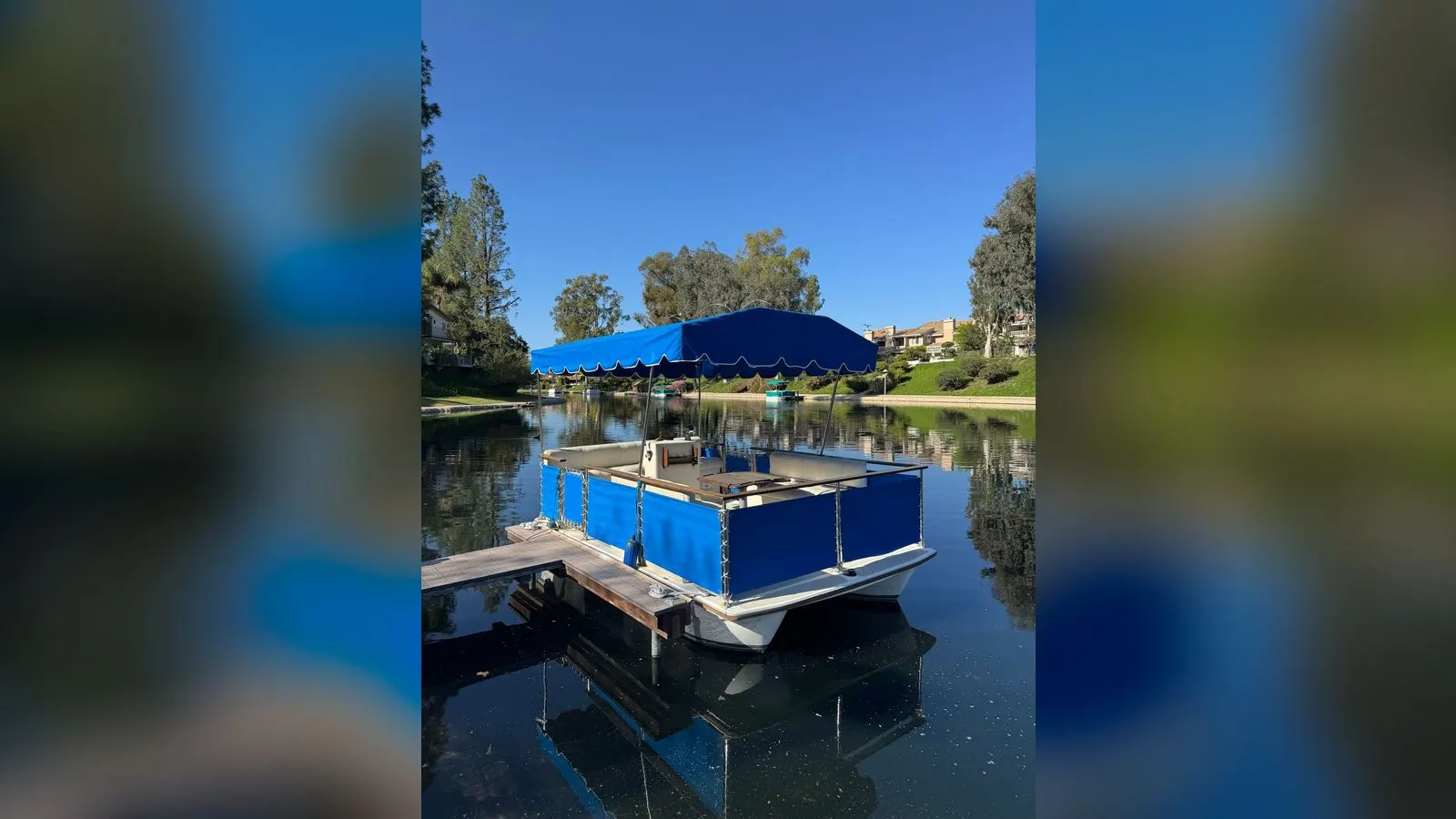
Battery range expectations, charging times, salt water corrosion prevention, and battery safety for electric watercraft.
Electric watercraft such as eFoils, electric surfboards, jetboards, and electric jet skis have changed what a day on the water looks like. There is no engine noise, no fuel, and instant torque at the press of a trigger. But the battery is the single biggest factor in how much fun you have: it sets how long you ride, how you plan your day, and how safe you are. This guide explains what to expect from range, how to charge and look after the battery, how to protect your gear from salt water, and the safety basics that apply to lithium batteries around water.
How Range Works on the Water
Water sports are demanding on batteries. Unlike a bike or scooter that coasts along a path, a craft on the water is pushing through or over a dense, resistive medium, so power draw is high. That means ride time is often measured in minutes of active riding, not hours.
Manufacturers publish ride-time figures, but treat them as best-case estimates measured under particular conditions. Actual time in the water depends on:
- Rider weight. Heavier riders draw more power.
- Riding style. Constant full throttle drains a battery far faster than gentle cruising.
- Water conditions. Chop, waves, current, and wind add resistance.
- Water temperature and air temperature. Cold can temporarily reduce battery performance.
- Skill level. Beginners often use more power while learning to balance and get up on the board or foil.
- Battery age and condition. An older battery holds less charge than when new.
Because of all of this, plan your session around the lowest realistic time rather than the headline figure.
Plan for a Reserve
On the water, running out of battery is not just an inconvenience. You may be some distance from shore, and you need a way to get back. Good habits include:
- Stay within a comfortable swimming or paddling distance from shore, particularly in the early days.
- Turn back early, leaving a generous reserve.
- Know your battery indicator and what it tells you. Learn how the craft behaves as the battery gets low, as some reduce power gradually while others may cut out sooner.
- Ride with a buddy or tell someone ashore where you are going and when you expect to return.
- Wear a flotation device that suits your craft and conditions, and use the leash or safety cut-off the manufacturer provides.
For a jet ski or larger craft, also check the rules for your state's boating authority, as additional safety equipment and licensing may apply.
Charging Basics
Most electric watercraft use lithium-based batteries, and good charging habits protect both the battery and your safety.
- Use the charger supplied by the manufacturer or an approved replacement. Never use an unmatched charger.
- Let the battery cool down first. A battery that has just been used hard may be warm. Check the manual for the recommended wait before charging.
- Charge in a dry, ventilated area, away from direct sun, heat sources, and flammable materials.
- Do not charge unattended overnight unless the manufacturer says it is safe. Keeping an eye on it is the safest approach.
- Do not charge in or near water, and keep connections dry.
- Inspect before charging. Check for damage to the battery casing, seals, cables, and connectors.
- Plan for charge times. Charging can take hours, so a second battery, where available, is the best way to extend a day on the water.
Follow the manual for the specific model, as charging recommendations vary.
Salt Water Care
Salt is tough on electronics and metal. If you ride in the ocean or estuaries, a few habits will keep your gear in good shape.
- Rinse everything with fresh water after every ride. That includes the board or craft, the mast and wing on an eFoil, the motor area, and any connectors.
- Take care with battery connectors and contacts. Follow the manufacturer's guidance on sealing and cleaning. Do not spray water into ports or openings that are not designed for it.
- Dry thoroughly before storing. Moisture trapped in a case or bag can cause corrosion.
- Inspect for salt crystals and corrosion on screws, plugs, and metal parts, and clean as the manual advises.
- Use manufacturer-approved lubricants and protectants where recommended, rather than guessing.
- Store away from direct sun and heat. Australian summers can be punishing on batteries and plastics.
Even if a craft is designed for water use, that does not mean every component is designed for submersion or prolonged exposure. Read the manual to understand what is sealed and what is not.
Storage and Seasonal Care
If you will not ride for a while, store the battery properly.
- Store at the charge level recommended by the manufacturer. Many lithium batteries are best kept at partial charge rather than full or empty for long periods. Check the manual.
- Choose a cool, dry, stable-temperature location. Avoid hot cars, garages that bake in summer, and damp sheds.
- Check periodically. Look for swelling, damage, or unusual smells.
- Keep it away from flammable materials.
Battery Safety Around Water
Lithium batteries are safe when handled correctly, but they need respect, particularly in a marine setting.
- Do not use a damaged battery. Cracks, swelling, leaking, or signs of water ingress mean the battery should be taken out of service and inspected.
- Never open or modify the battery pack.
- Avoid dropping or knocking the battery.
- Do not leave batteries in the sun or in enclosed hot spaces.
- Know what to do if something goes wrong. If a battery overheats, smokes, or smells unusual, move away and follow emergency advice. Do not attempt to handle a damaged battery.
- Transport carefully. Secure batteries in the car so they cannot shift, and check airline rules if you travel by air, as lithium battery restrictions apply.
If you have any doubts about a battery's condition, contact the manufacturer or retailer rather than continuing to use it.
Getting More From Each Session
You can make your battery go further without making the ride less fun:
- Ease into it. Gentle cruising uses far less power than constant full throttle.
- Learn good technique. A balanced, efficient stance reduces wasted energy.
- Check conditions. Calm water is kinder to range than wind and chop.
- Warm up in cold weather and keep the battery out of the cold until you need it.
- Carry a spare battery if your craft supports it.
- Keep the craft clean. A clean hull, foil, and propulsion system run more efficiently.
When to Replace a Battery
Like all lithium batteries, watercraft batteries wear over time. Signs include noticeably shorter ride times, reduced power, battery management warnings, or physical damage. If you notice any of these, speak to the retailer or manufacturer. Replace only with a battery approved for your craft, and dispose of old lithium batteries at an appropriate recycling point, not in household rubbish.
Learn More and Get Started
If you are new to the sport, our eFoil and hydrofoil learning guide for beginners covers first rides, balance, and progression. Always check your state's boating authority for local rules on where you can ride and what safety gear is needed.
Browse Electric Water Sports
Explore our Electric Water Sports category for eFoils, jetboards, and electric watercraft. For spare and replacement power, browse Batteries, Parts and Kits, and see Safety, Security and Carry for helpful add-ons. If you are not sure which craft or battery setup suits you, contact our team and we will help you choose.
Ready for the Water?
Explore electric jet skis, eFoils and electric surfboards, or contact us for availability and delivery.
Shop Electric Water Sports →