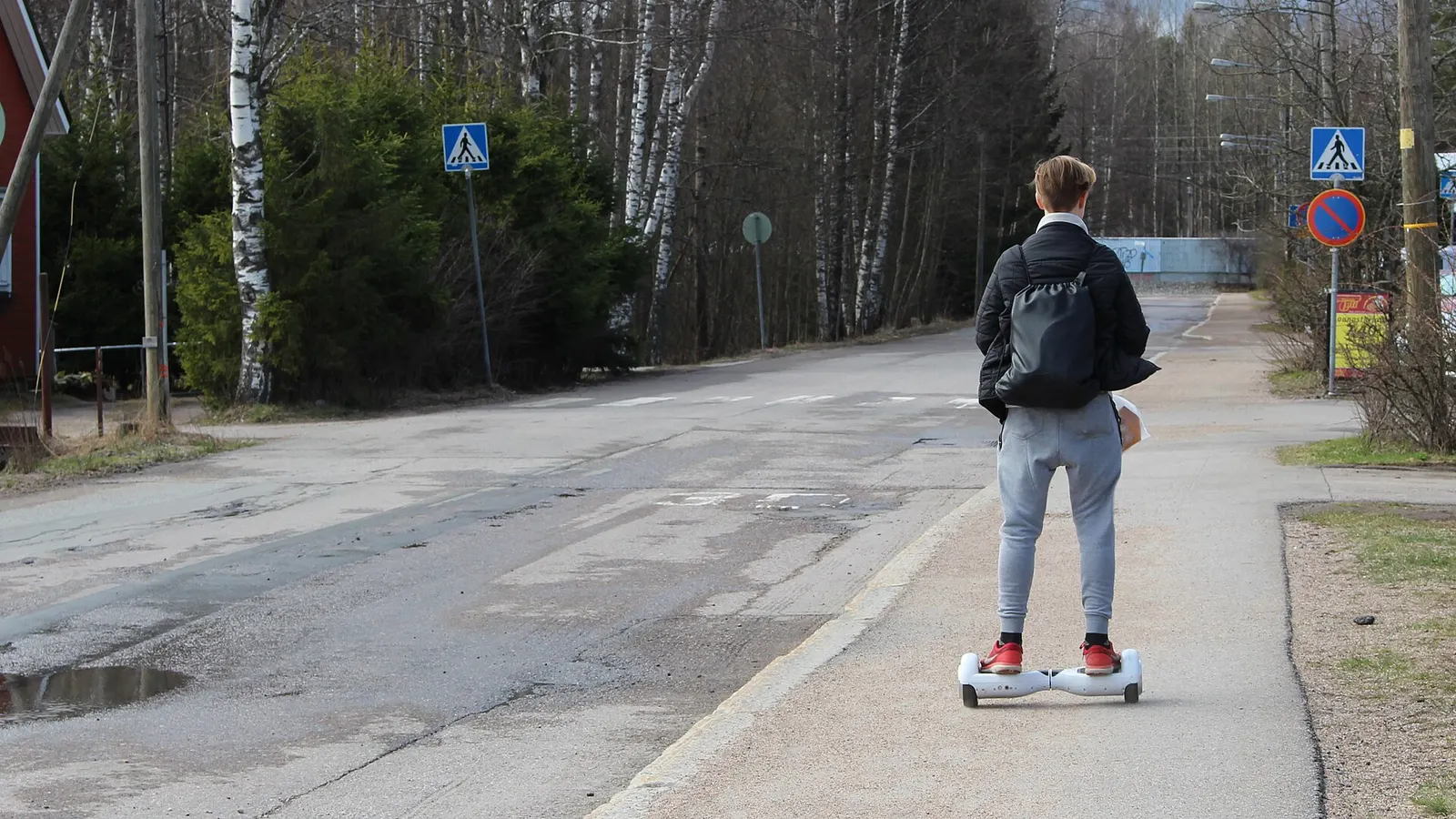
State-by-state hoverboard rules — footpaths, parks, private property, and the legal grey areas for self-balancing boards.
Hoverboards are easy to buy but the rules about where you can ride them are not always obvious. In Australia, road and path rules are set by each state and territory, and local councils add their own rules for parks and public spaces. The result is a patchwork, and the law in this area has been changing as personal mobility devices become more common. This guide gives general guidance on how hoverboards are usually treated, where you are likely to be able to ride, and why you should check with your state road authority before you ride in public. It is general information only, not legal advice.
Why It Is Confusing
Several things make hoverboard rules hard to pin down:
- Different definitions. States define "personal mobility devices", "motorised scooters", "wheeled recreational devices" and similar terms differently, and hoverboards do not always fit neatly into any of them.
- Rules are changing. Many states have updated or trialled new rules for e-scooters and similar devices in recent years, and hoverboards may or may not be covered.
- Local rules apply too. Councils manage parks, shared paths, car parks and some public spaces.
- Private land has its own rules. Landowners and managers decide what is allowed.
- Enforcement varies. Just because you have not seen anyone fined does not mean it is legal.
If you cannot find a clear answer for your situation, ask the state road authority directly, or contact your local council.
The General Picture
In broad terms, across Australia:
- Roads: Hoverboards are generally not suited to or permitted on public roads. They are typically not designed or approved for road use, lack lights, indicators and registration, and are low and hard for drivers to see. Many authorities treat unapproved motorised devices on roads as an offence.
- Footpaths: Rules vary. Some jurisdictions allow certain personal mobility devices on footpaths subject to speed and power limits, while others restrict or prohibit them. Do not assume footpath riding is allowed.
- Shared paths and bike paths: Similar variation. Some areas permit approved devices, while others do not.
- Parks and reserves: Often controlled by councils or park authorities, with signs setting out what is allowed.
- Private property: Generally the safest place, with the owner's permission. Rules on public liability and insurance may still apply in commercial or shared spaces.
State and Territory Overview
The following is general only. Always check the current rules with your state's authority.
New South Wales
Rules for motorised personal mobility devices have changed recently. Check Transport for NSW for the latest on what is permitted, where, and what devices are covered. Hoverboards may not be covered by the same rules as e-scooters.
Victoria
Victoria has its own definitions and rules for motorised scooters and similar devices. Check VicRoads and Transport Victoria for current guidance, including whether hoverboards are included and where they may be used.
Queensland
Queensland has been relatively active in regulating personal mobility devices, with rules on speed, where they can be used and rider requirements. Check the Department of Transport and Main Roads for current rules and whether hoverboards are covered.
South Australia
Check the Department for Infrastructure and Transport and local councils for the current rules and any limits on powered devices on public paths.
Western Australia
Check the Department of Transport for the latest rules on personal mobility devices and local council rules for parks and paths.
Tasmania
Check the Department of State Growth for current guidance, as well as local council rules.
Australian Capital Territory
Check Transport Canberra and City Services and Access Canberra for rules on personal mobility devices, including where they can be used.
Northern Territory
Check the Department of Infrastructure, Planning and Logistics and local councils for guidance.
Because these rules can change, the best step is always to visit your state or territory authority's website or contact them directly.
Common Rules to Watch For
When you read the rules, look for:
- Speed limits: Many places cap speed for personal mobility devices.
- Power limits: Motor power may be limited for a device to be classed as a personal mobility device.
- Age limits: Some jurisdictions set minimum ages for riding certain devices.
- Helmet requirements: Often required for riders of wheeled devices. Even if not required, a helmet is strongly advised.
- Lights and reflectors: Required for riding at night in some areas.
- Giving way: Pedestrians typically have priority on footpaths and shared paths.
- Where devices are prohibited: Roads, certain footpaths, malls and building entrances.
- Penalties: Fines can apply for riding in a prohibited place or without required equipment.
Practical Tips for Riders
- Check before you ride. Look at your state road authority and council websites.
- Look for signs. Parks, shopping centres, stations and campuses often post notices about what is allowed.
- When in doubt, don't. If you cannot confirm it is permitted, ride on private property instead.
- Ask for permission to use someone else's land, and follow their rules.
- Be courteous. Slow down or dismount around pedestrians, children, older people and animals.
- Wear protective gear. Helmet, wrist guards and knee pads, even on private land. See our hoverboard safety guide.
- Keep your documents handy. Receipts and manuals can help if you need to show what the device is.
- Be mindful of liability. If you cause an accident or injury, you may be responsible. Check whether your home or other insurance covers you.
- Parents: You are responsible for knowing the rules your child must follow.
Kart Attachments and Modifications
Adding a seat or kart attachment changes the vehicle. It may alter how authorities see the device and how it must be ridden. Our hoverboard go-kart attachments guide has more on these accessories. Generally, kart-style riding is best kept to private property unless your state authority confirms otherwise.
Buying Imports and Online
Products bought from overseas sellers may not meet Australian electrical or safety requirements, and may lack local support. Buy from a reputable seller who can show relevant certification, such as UL 2272 for the electrical system, and who provides a warranty. Check Australian consumer protection rules and your rights if a product proves faulty.
What To Do If You Are Stopped or Fined
Stay calm and be polite. Ask what rule applies. If you believe there has been a mistake, follow the process set out on the notice. Seek independent legal advice if you need it. Do not argue with an enforcement officer on the street.
Browse Related Categories
Ready to buy or accessorise? Browse our Hoverboards range, or look at Hoverboard Kart Attachments for private-property fun. If you are comparing other personal mobility options, see Electric Scooters and Electric Unicycles. Whatever you choose, always confirm what is permitted with your state road authority and local council before you ride in public.
Ready to Balance?
See electric unicycles and hoverboards for beginners and experienced riders.
Shop Self-Balancing EVs →