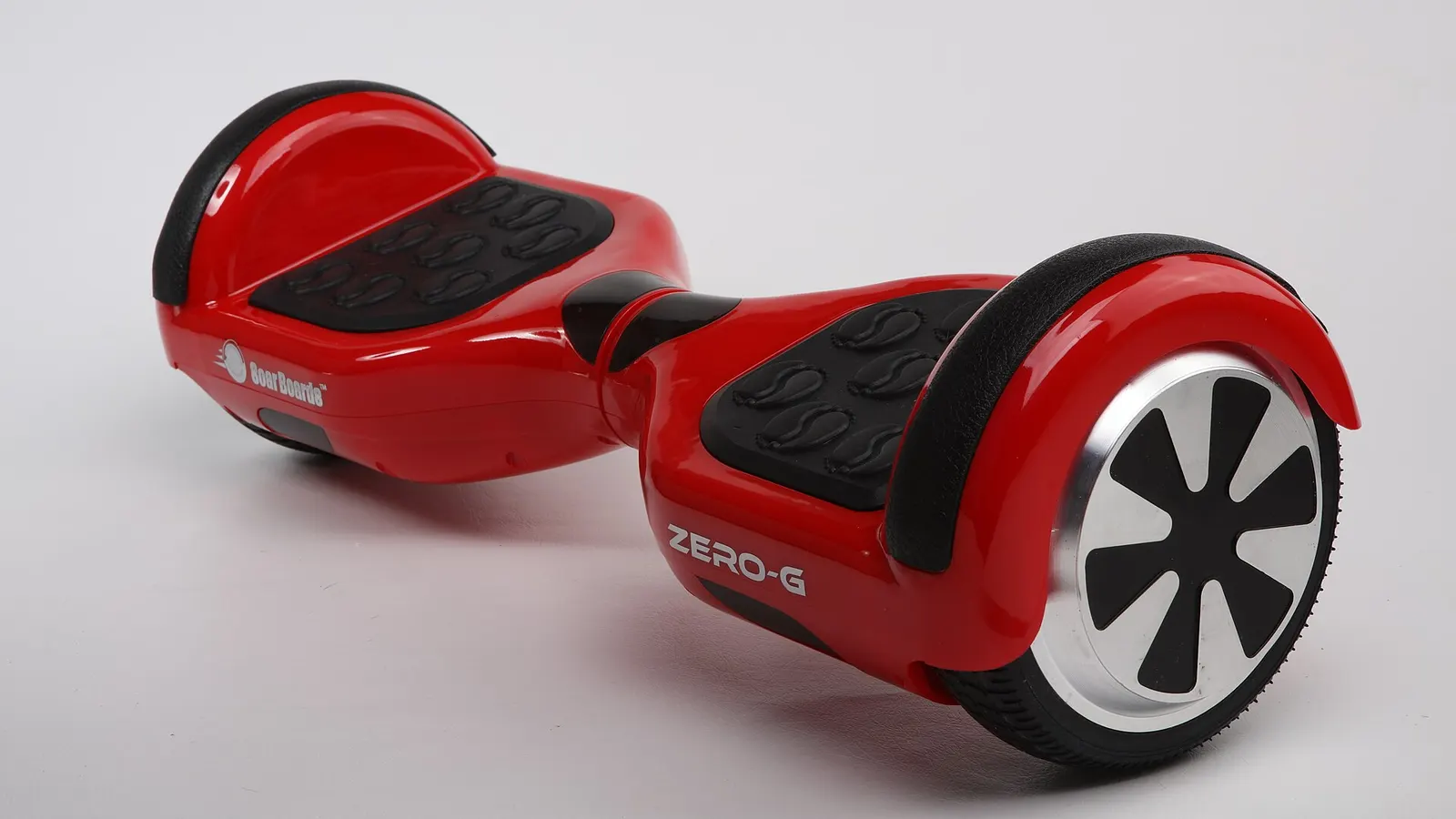
UL certification, protective gear, age guidelines, supervision rules, and the safety features that matter on a kids hoverboard.
Hoverboards, also called self-balancing scooters, remain a popular gift for kids and teens. They are fun, compact and easy to pick up. But they are also motorised vehicles with lithium batteries, and parents should treat them with the same care as a bike or scooter. This guide covers the key safety areas: electrical certification, protective gear, age guidance, supervision, and charging safety.
Electrical Safety Certification
Early hoverboards earned a poor reputation because of battery fires. Since then, a safety standard has been developed for these products: UL 2272, which covers the electrical system of personal e-mobility devices, including the battery, charger and how they work together.
What to know:
- Look for UL 2272 certification. A genuine certification means the product has been tested to that standard. Ask the retailer to confirm it, and check the product listing and packaging.
- Certification is not a guarantee. It reduces risk but does not eliminate it. Counterfeit labels exist, so buy from a reputable supplier who can stand behind what they sell.
- Check for Australian requirements. Electrical products sold in Australia may need to meet local electrical safety and regulatory requirements as well. Check with the retailer and with your state or national consumer authority if you are unsure.
- Avoid unbranded or extremely cheap boards. If a price seems too good to be true, treat it with suspicion.
- Keep the paperwork. Retain the receipt, warranty details and manual, which you will need for any claims.
Age Guidance
There is no single age that suits every child. Manufacturers state recommended minimum ages and maximum rider weights on the packaging and in the manual, and these should be treated as the baseline.
Consider:
- The manufacturer's recommendation. Do not exceed the stated age or weight limit.
- Your child's maturity. Can they follow safety rules, pay attention to surroundings and make good decisions?
- Balance and coordination. Children who are confident on bikes, skateboards or scooters often adapt faster, but every child is different.
- Size and strength. The rider should be able to step on and off comfortably and control the board.
- Local rules. Age limits and rules on where hoverboards can be used vary, so check your state road authority.
When in doubt, wait. A child who is not ready for a hoverboard is better off waiting a year than being injured.
Protective Gear
Falls are the most common cause of hoverboard injuries. Protective gear is not optional.
- Helmet: Always wear a properly fitted helmet. A bicycle helmet that meets Australian standards is a sensible choice. It should sit level, snug and not tilt back.
- Wrist guards: Wrists take the brunt when riders fall forward. Wrist guards reduce the risk of fractures.
- Knee and elbow pads: Useful, particularly for beginners.
- Gloves: Protect the palms against scrapes.
- Closed-toe shoes: Flat, grippy and fastened. No thongs or sandals.
- Visible clothing: Bright or reflective clothing if riding near others or in lower light.
Set the rule early: no gear, no ride. Parents who wear a helmet when cycling or riding themselves set a strong example.
Learning to Ride
- Start on a soft, flat, open surface. A grassy area or quiet, smooth paving away from traffic and obstacles works well.
- Hold on at first. Have the child step on with support, such as holding an adult's hands or a stable fixture.
- Practise mounting and dismounting. This is where many falls happen.
- Use beginner or learning mode if the board offers one. Slower speeds are safer to start.
- Build gradually. Move on to turning, stopping and riding on gentle slopes only when the basics feel natural.
- Keep sessions short. Fatigue leads to mistakes.
Supervision and Where to Ride
- Supervise young riders. Especially in the early stages, an adult should be nearby and paying attention.
- Choose safe locations. Private property with smooth, flat ground is the most straightforward choice. Avoid roads, driveways, hills, and near pools, water or stairs.
- Check local rules. Whether hoverboards are allowed on footpaths, shared paths and in parks depends on your state and council. See our guide to hoverboard laws in Australia and check your state road authority.
- Respect others. Slow down or dismount around pedestrians, especially small children, older people and pets.
- Avoid wet and rough surfaces. Rain, gravel, loose leaves and bumps all increase the risk of a fall.
- No distractions. No phones, headphones or carrying items while riding.
- One rider per board. Never double up.
Charging Safety
Lithium battery fires are rare, but they are serious. Good charging habits matter.
- Use only the supplied charger. A mismatched charger can overheat and damage the battery.
- Charge in a safe place. Choose a hard, non-flammable surface such as tiles or concrete, away from curtains, beds, sofas and clutter.
- Never charge overnight or unattended. Stay in the house and be alert while it charges.
- Do not charge near exits. If something goes wrong, you do not want to block your way out.
- Let the board cool first. A hot battery from a long ride should rest before charging.
- Disconnect when full. Do not leave it plugged in for days.
- Inspect regularly. Look at the charger, cable and board for damage, swelling, cracking, unusual smells, or heat. If you see any of these, stop using it and contact the supplier or a qualified technician.
- Store sensibly. Keep the board in a cool, dry place away from direct sunlight and heat. Do not store it in a hot car.
- Smoke alarms. Make sure your home has working smoke alarms.
- Know what to do in an emergency. If a battery overheats or catches fire, get everyone out and call emergency services on 000. Do not try to fight a lithium battery fire yourself.
Maintenance Checks
- Check tyres for damage and pressure if applicable.
- Make sure the footpads are firm and the sensors are clean.
- Listen for unusual noises, or notice unusual behaviour such as jerking, warning lights or inconsistent power.
- Keep the board clean and dry. Do not ride through puddles unless the manual says it is safe.
- Follow the manufacturer's manual for firmware or setting changes.
Teach the Rules
Sit down with your child before the first ride and agree on rules. For example: always wear gear, never ride on roads, never ride without permission, no charging without an adult, and stop if anything feels wrong. Revisit the rules regularly.
Browse Related Categories
If you are looking for a hoverboard, browse our Hoverboards category and check product pages for certification details and manufacturer recommendations. If you are interested in turning a board into a ride-on toy, read our hoverboard go-kart attachment guide or explore Hoverboard Kart Attachments. For replacement chargers and parts, see Scooter & Skate Chargers and Scooter & Skate Parts.
Ready to Balance?
See electric unicycles and hoverboards for beginners and experienced riders.
Shop Self-Balancing EVs →